

Built for the region, from day one
Insights and inspiration from the global LEAP community – to help you thrive in tech.
This week we’re quoting…
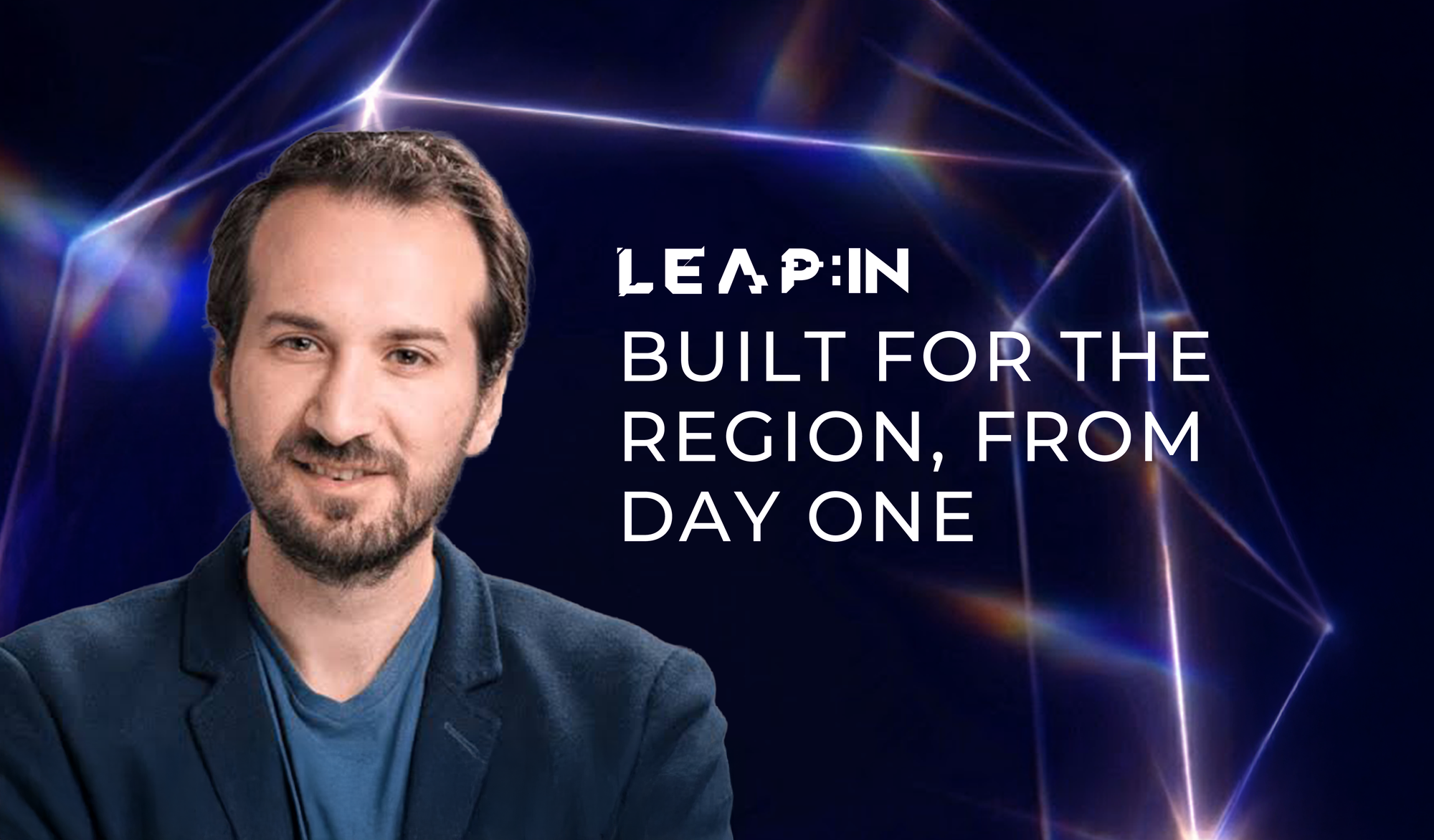
Yousef ElSammaa (Founder at Daleela)
What ElSammaa said:
"The name 'Daleela' means 'guide,' and it was chosen to reflect our mission to guide all women. It is also much easier to pronounce in Arabic, aligning with our regional ambitions."
Building with local insight
As regional tech ecosystems mature, many reach a point where they're not only adapting global ideas – they're also creating products rooted in a deep understanding of local markets.
That doesn’t diminish the role of global companies. Localisation has helped bring world-class products and services to millions of people across the Middle East, and that will keep happening. But alongside this, a growing number of founders are also designing products around the region's unique needs from day one.
This week we’ve been talking to two of LEAP 2025’s Rocket Fuel winners: Lisan (an Arabic-first enterprise AI platform), and Daleela (a women's health platform connecting users with culturally relevant healthcare services). And both conversations pointed to exactly that shift.
Built around the realities of the region
Lisan is building enterprise AI around the realities of Arabic-speaking organisations. Rather than adapting an English-first product, the company has focused on the linguistic, operational and security requirements of government and enterprise customers from the outset.
A year after Rocket Fuel, Lisan has:
- Grown to approximately $2.6 million in annual recurring revenue
- Maintained 95%+ gross margins
- Achieved 0% churn across its government customers
Daleela started with a different challenge: making women's healthcare more accessible through trusted, culturally relevant care. That understanding has guided everything from the platform's expansion into dermatology and nutrition to its partnerships with healthcare organisations across the region.
Over the past year, Daleela has:
- Completed more than 8,000 consultations
- Grown to more than 400,000 registered users
- Now counts more than 25% of its users in the GCC
Two different sectors, with different customers – but taking a similar path. Neither company started with a global template; both started with local insight.
The market is moving in the same direction
According to 2026 research from Deloitte, organisations across the Middle East are moving beyond AI experimentation into enterprise-scale deployment. While 66% report improved efficiency from AI, only 34% say they are using it to fundamentally transform products, processes or business models – highlighting the opportunity for companies built around genuine market needs rather than generic use cases.
And the Middle East findings from PwC's 29th Global CEO Survey paint a similar picture. More than one-third of Middle East CEOs say AI is already embedded directly into their products and services, compared with fewer than one in five globally. The region is shaping how technology is applied to its own markets.
What we're watching
For investors, founders and ecosystem builders, we think this is encouraging.
The next wave of regional startups isn't defined solely by where they're based. It's defined by how deeply they understand the markets they're serving.
Rocket Fuel exists to spotlight founders with that kind of potential. Looking back one year later, what stands out is that Lisan and Daleela have both translated the recognition into measurable progress.
We'll be talking to more Rocket Fuel alumni over the coming weeks, asking the same question each time:
What happened after LEAP?
If these first stories are any indication, some of the region's most exciting growth stories are only just beginning.