
When AI meets a 1,200-year-old craft
In Kyoto, neural networks are helping revive one of Japan’s oldest textile traditions.

If you haven’t already, subscribe and join our community in receiving weekly tech insights, updates, and interviews with industry experts straight to your inbox.
Take your company to the next level with LEAP. Make connections, expand your knowledge, and grow your business.
What Abouelenein said:
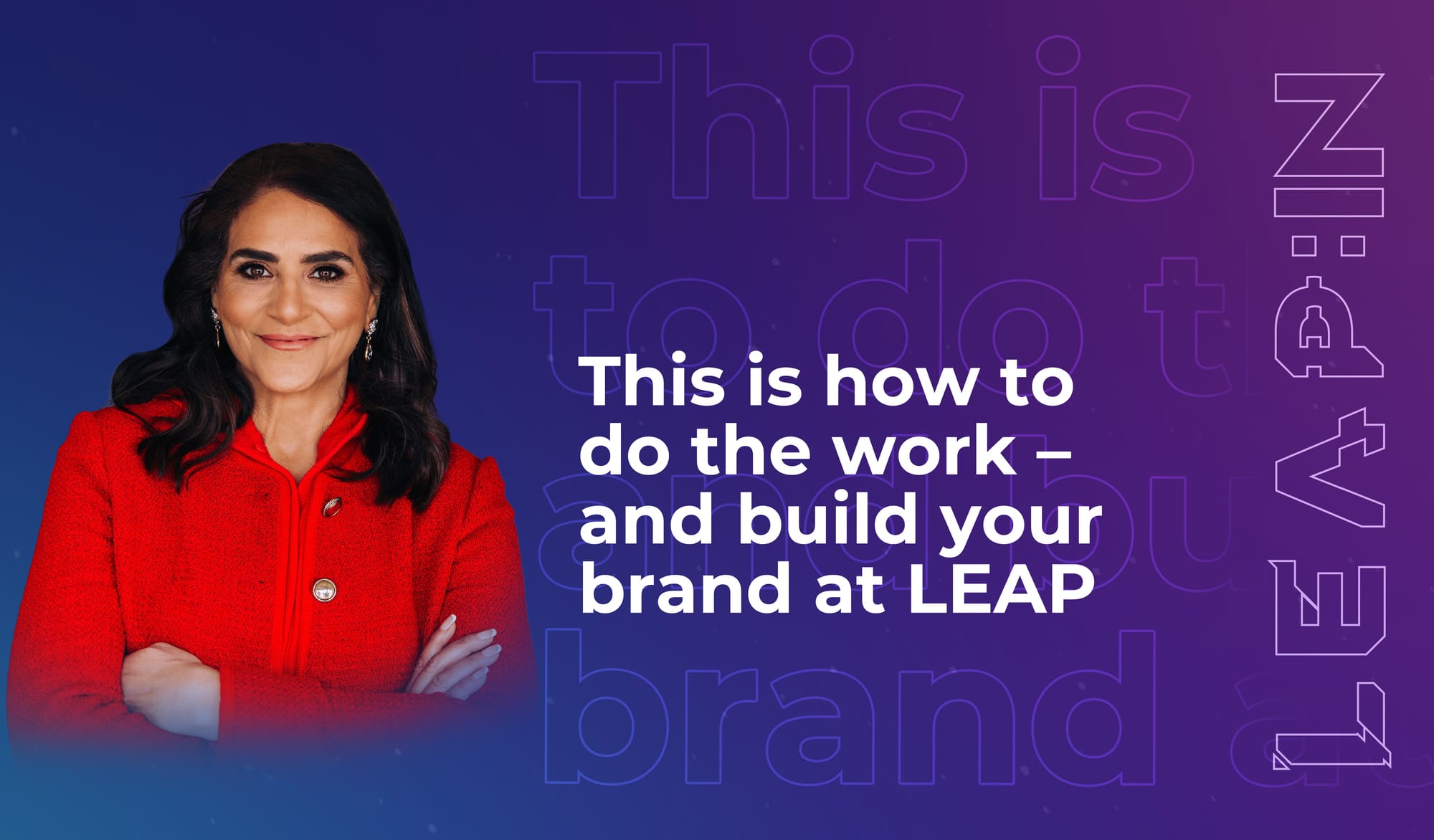
“Don’t go to the event ‘cold’. What I mean by this is don’t walk into LEAP without doing the advance work. Advance work is understanding all the details about an event; it can be simple things like knowing the agenda and planning which talks to attend to learning about media and networking opportunities.”
Abouelenein is a personal branding expert, and she shared this advice during a conversation we had about personal branding for tech leaders.
But we think it applies just as powerfully to brands as it does to individuals. Because the brands that create the most success at LEAP don’t arrive cold either. They arrive with intent.
Event sponsorships tend to follow a familiar kind of formula. Visibility first. A logo on a wall. A banner above a corridor. A fleeting glance as thousands of people pass by.
For us, that’s not enough anymore; it feels incomplete. Because global tech events have changed, and passive branding (yes, even when it’s beautifully executed) struggles to compete with experiences people can step into, interact with, and remember.
If you want to make a real impact, you have to do the prep work. Because you need to understand the environment you’re entering, the audience you’re meeting, and the role you want to play in the wider event narrative.
That’s where brand collaboration comes in.
Co-creation works because it does what traditional sponsorship doesn’t. It creates memory, not just visibility. It invites participation, not just observation. And it turns audiences into advocates rather than passers-by.
When you collaborate directly with LEAP (through a pop-up space, a limited-edition product, a co-branded campaign, or a shared experience) your brand becomes part of the event itself. A moment people can actively seek out (and they will, by the way).
We’re approaching the fifth edition of LEAP, and across the last four events we’ve seen that audiences don’t want to just walk past brands anymore – they want to be able to step into them and discover something new. And perhaps to take something away – whether physical, digital, or emotional.
It’s LEAP’s framework for brands ready to move beyond logos and into lived experience, bringing together physical and digital collaborations at the intersection of innovation, culture, and commerce.
Think…
Some collaborations come to life on the floor: immersive spaces, experiential activations, limited drops that people queue for. Others live in digital ecosystems via thought leadership, product launches, and co-branded campaigns amplified across LEAP’s global audience. Many do both.
And for your brand, the result is a presence that extends well beyond the event itself.
The brands choosing collaboration at LEAP understand that attention follows experience, and influence follows participation.
Co-creation allows brands to align with innovation rather than interrupt it, and gives you an unmatched opportunity to enter new markets with cultural relevance.
So if you’re bringing your brand to LEAP, take Abouelenein’s advice seriously. Do the advance work. Decide how you want to show up.
Because the brands that shape the future don’t just sponsor the conversation. They help create it.
Explore how your brand can co-create at LEAP
Have an idea for a topic you'd like us to cover? We're eager to hear it. Drop us a message and share your thoughts.
Catch you next week,
The LEAP Team
In Kyoto, neural networks are helping revive one of Japan’s oldest textile traditions.
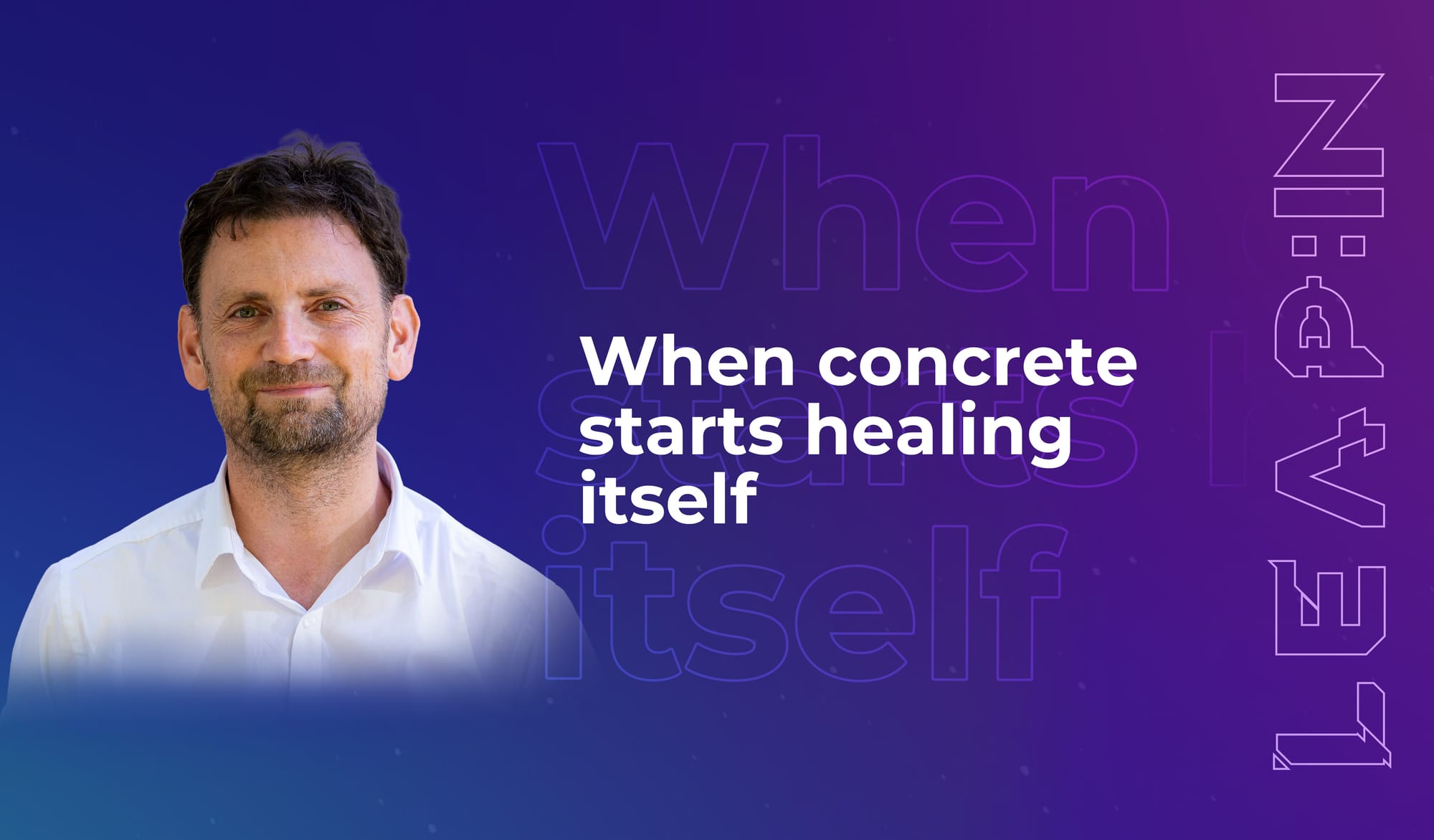
How bacteria, AI and IoT are turning infrastructure into responsive systems
In Kyoto, neural networks are helping revive one of Japan’s oldest textile traditions.
How bacteria, AI and IoT are turning infrastructure into responsive systems