
When AI meets a 1,200-year-old craft
In Kyoto, neural networks are helping revive one of Japan’s oldest textile traditions.

If you haven’t already, subscribe and join our community in receiving weekly tech insights, updates, and interviews with industry experts straight to your inbox.
Exclusive interviews and powerful insights from the global LEAP community – in your inbox every week.
What Khowaiter said:
“I recognise that for many folks globally, my podcast episodes are their first exposure to the happenings in Saudi, and the pressure is on to paint an accurate picture.”
We love this acknowledgement that the first exposure is important, and that Khowaiter feels a responsibility to get it right. Partly because it feels honest, and partly because it reflects a bigger truth about how people learn about the world.
Before policy papers or market reports or investor memos, the first encounter with a new place or emerging tech landscape often comes through a single voice: a podcaster, a founder on stage, a commentator on social media, a brief clip (often shared out of context).
And Khowaiter knows this pressure well. Her show, The Majlis Podcast, began as a response to frustration: the sense that much of the world still viewed Saudi Arabia through old stories, or narratives that lacked the context needed to understand what’s actually happening.
But in telling that story clearly, she’s become something unexpected: a key translator for a global audience trying to make sense of a country going through transformation.
It raises a question that’s worth sitting with, whether you’re a founder or an investor or a business leader; and especially for us at LEAP. What does it mean to be someone’s first point of contact with a rapidly changing tech ecosystem?
Research in media psychology consistently shows that the first source someone encounters on a topic holds disproportionate influence over their long-term beliefs. It’s known as the primacy effect – and it holds even when more detailed or more accurate information arrives later.
In cross-border tech ecosystems (where many observers are thousands of miles away) this means early impressions can shape:
In emerging tech markets like Saudi Arabia, Singapore, India and the UAE, this phenomenon is amplified. As the Reuters notes, trust in traditional media is declining worldwide, and audiences are increasingly turning to solo voices to make sense of unfamiliar terrain.
Which means someone like Khowaiter (or a startup founder speaking openly on stage, or a researcher explaining a new policy) can, today, create an entire frame through which thousands of people will understand a place they may never have visited.
We’re living in a moment where independent platforms (especially podcasts) function as bridges. Not because they are neutral (nothing truly is), but because they allow for long-form context – something the global news cycle struggles to hold.
And audiences reward this. According to Spotify, podcasts for business and current affairs content are growing fast. People want depth. They want lived experience. They want voices who have been right up close to the story, not only adjacent to it.
That’s why Khowaiter’s work really resonates: she brings together historians, CEOs, policymakers, creatives and operators who can speak not only to what is happening – but why.
When someone like Yasmin Khowaiter sits down at the microphone, she’s opening a door. For many listeners, she’s the place where curiosity becomes understanding – where a country in flux becomes something more grounded and real.
And that’s the work all of us in this ecosystem share: to build technology, yes, but also to build the stories through which people will recognise its value.
Meet the voices shaping the next chapter of global tech (from the GCC to APAC) at LEAP, and soon at LEAP East in 2026.
Have an idea for a topic you'd like us to cover? We're eager to hear it. Drop us a message and share your thoughts.
Catch you next week,
The LEAP Team
In Kyoto, neural networks are helping revive one of Japan’s oldest textile traditions.
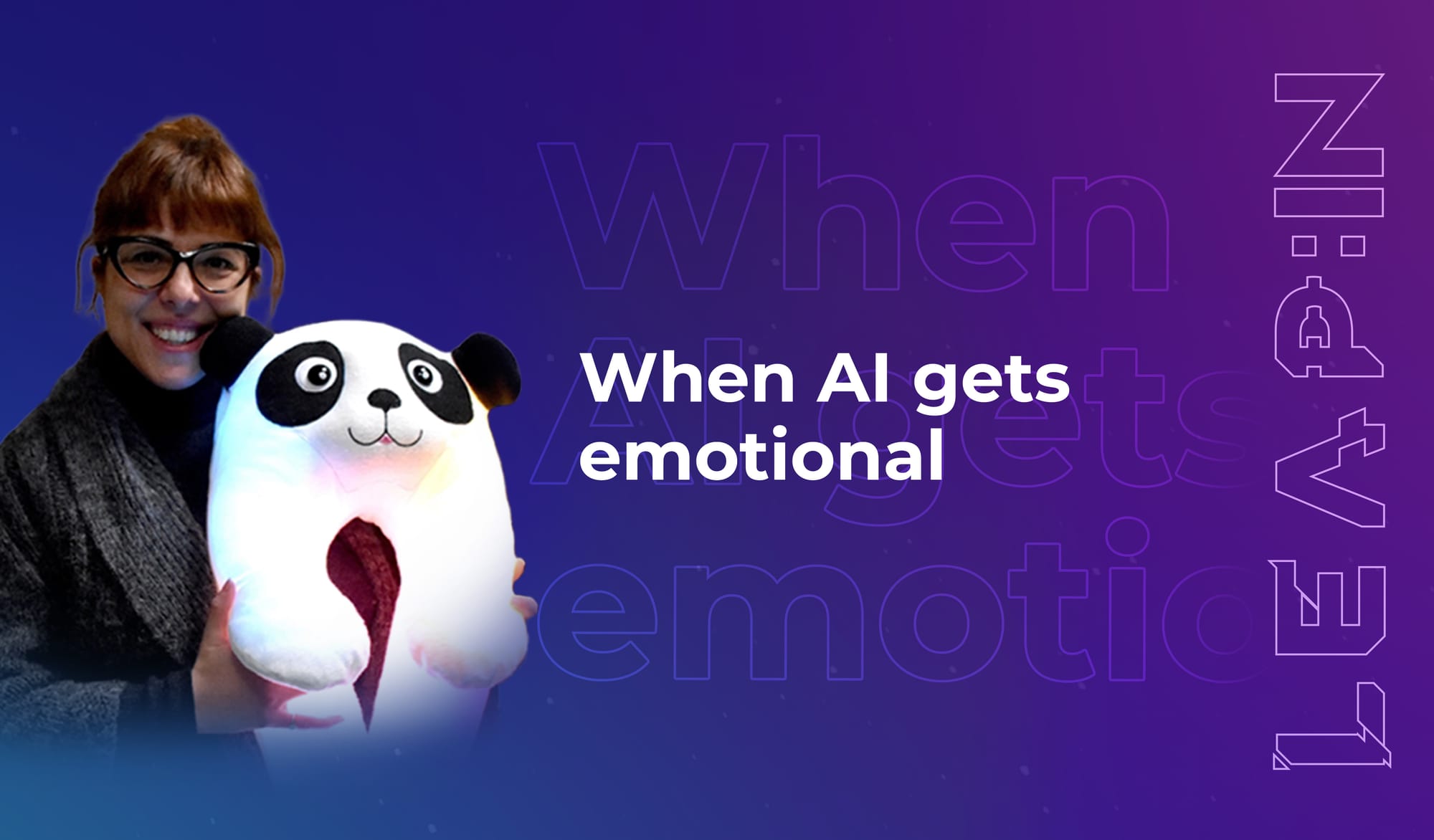
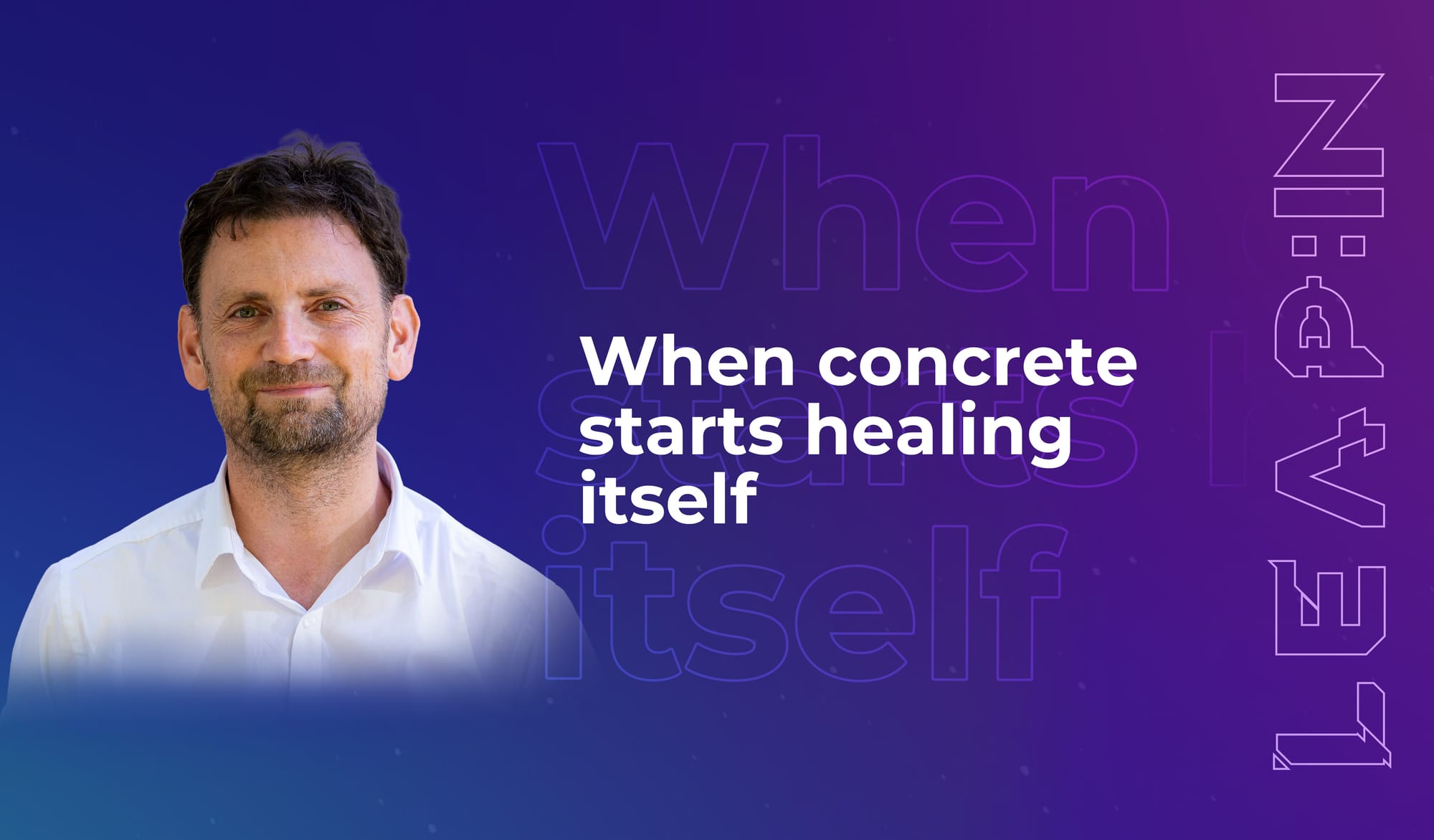
How bacteria, AI and IoT are turning infrastructure into responsive systems
In Kyoto, neural networks are helping revive one of Japan’s oldest textile traditions.
How bacteria, AI and IoT are turning infrastructure into responsive systems