
When AI meets a 1,200-year-old craft
In Kyoto, neural networks are helping revive one of Japan’s oldest textile traditions.

If you haven’t already, subscribe and join our community in receiving weekly tech insights, updates, and interviews with industry experts straight to your inbox.
Exclusive interviews and powerful insights from the global LEAP community – in your inbox every week.
What Sheldon-Hicks said:
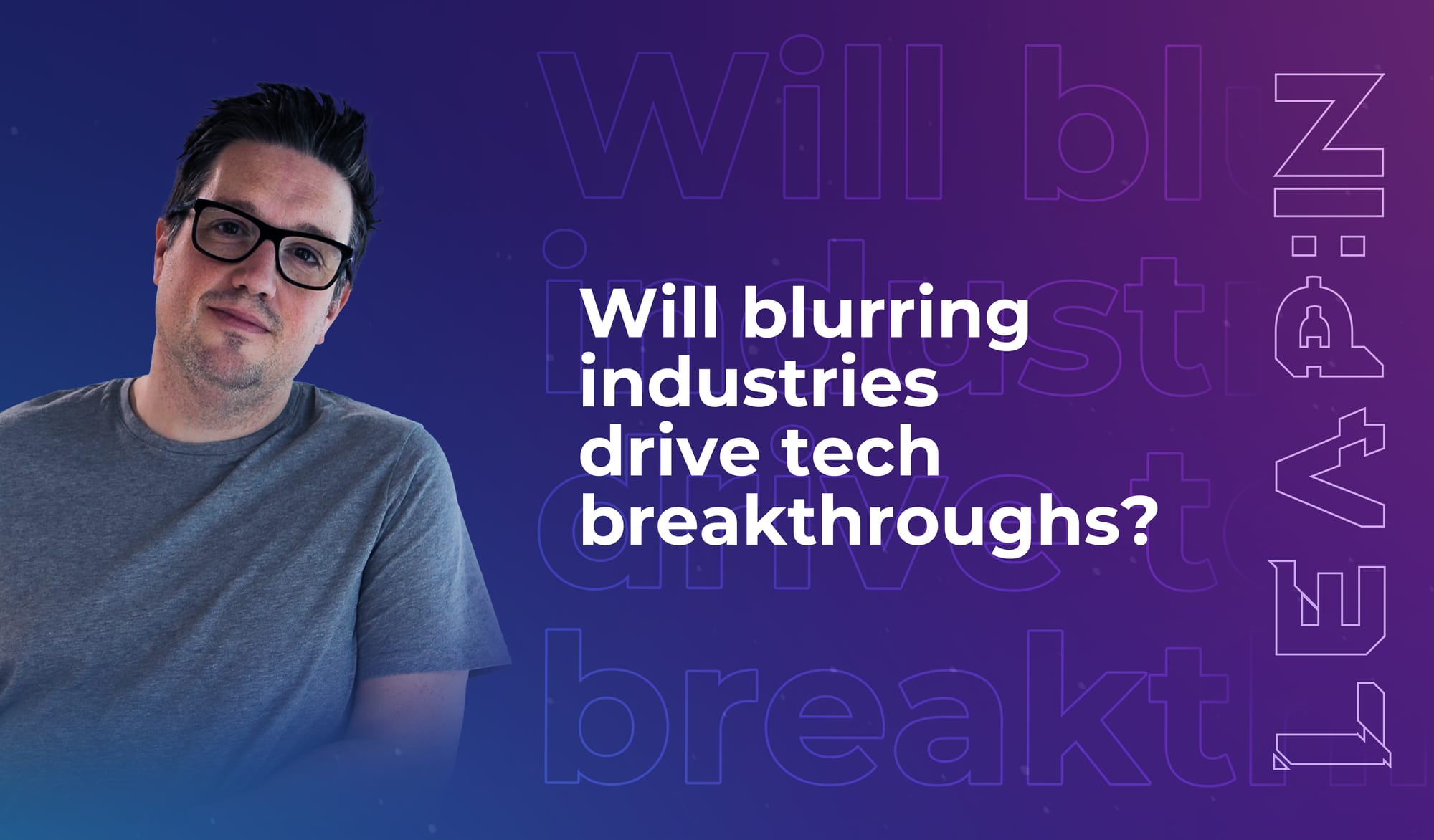
“If I’d realised earlier that boundaries between industries are artificial, I might have pushed into AI, experiential, or real-time even sooner.”
…like the lane you started your tech career in isn’t the one you’ll stay in forever?
For Sheldon-Hicks, that moment came with the recognition that industries only look separate from the outside. Up close, the edges are porous – and the most interesting work happens where disciplines overlap.
Territory Studio began in film and motion design, known for its work on screen graphics and visual effects in major movies. Today it moves freely across games, experiential spaces, branded worlds, and digital products. It blends narrative design for film, games and brands into whole new worlds.
And that trajectory reflects something happening across the wider tech ecosystem: creative and technical fields are merging into a shared playground.
We found two examples that show just how fast that convergence is accelerating.
Look at Unreal Engine. Once only aimed at game developers, it’s now one of the most important tools in modern filmmaking. Virtual production pipelines use the engine with immersive LED walls to render backgrounds in real time, letting actors perform inside live, reactive environments. The goal, as Epic describes it, is to remove the need for traditional green-screen compositing and capture ‘final pixel’ imagery directly in camera.
This means that work that used to be done with green screens and guesswork, and take months in post-production, can now be captured in a single, integrated workflow. Cinematographers, VFX artists, and game engine specialists work side by side, moving the entire production forward in real time.
A recent production story from A Minecraft Movie shows this happening. Warner Bros. brought in Disguise’s Virtual Art Department to recreate the game’s cubic world as virtual environments. Using Unreal Engine at the core of their pipeline, the team built and iterated on fully realised 360° sets that supported the film from pre-production through principal photography, and into post.
When films look like games, and games look like films, something quite exciting happens: talent becomes fluid. A real-time artist can work in cinema; a gameplay tools engineer can build immersive brand experiences; a motion designer can prototype interactive worlds. The lane widens.
The second case comes from the expanding world of immersive production. Industry analysts estimate the global virtual production market at around USD $3-4 billion in 2025, with forecasts of double-digit annual growth into the early 2030s. It’s being driven by demand for high quality real-time content across film, TV, gaming, advertising and live experiences.
And one research project, Promisedland, shows what this looks like in practice. It’s a mixed-reality narrative attraction that combines cultural storytelling and ecological education.
The team handcrafts physical scale models, 3D-scans them, and integrates them into Unreal Engine – a “diorama-to-virtual” pipeline that runs as an interactive prototype on Meta Quest, complete with motion feedback from a Stewart Platform. The authors position it as a replicable blueprint for XR installations in museums, cultural exhibitions, and themed entertainment.
So we’re not working in a world of film versus games versus immersive experiences anymore. We’re looking at a single creative toolkit that stretches across them.
If you work in tech, that opens new paths. Game engine proficiency becomes valuable in cultural heritage, education, architecture, live entertainment, and branded storytelling. The walls between sectors are gradually dissolving.
(You know we have to say it. If you need a platform to help you build those relationships and expand your knowledge base, we’re here for you. Get your ticket for LEAP 2026 now.)
As Sheldon-Hicks added:
“The future belongs to hybrid thinkers.”
Because the boundaries we see are often inherited – but they’re not necessarily useful to us anymore. And once you step across them, the landscape expands. It’s a bit like discovering the map you were working from was only the first layer of a far larger world.
Have an idea for a topic you'd like us to cover? We're eager to hear it. Drop us a message and share your thoughts.
Catch you next week,
The LEAP Team
In Kyoto, neural networks are helping revive one of Japan’s oldest textile traditions.
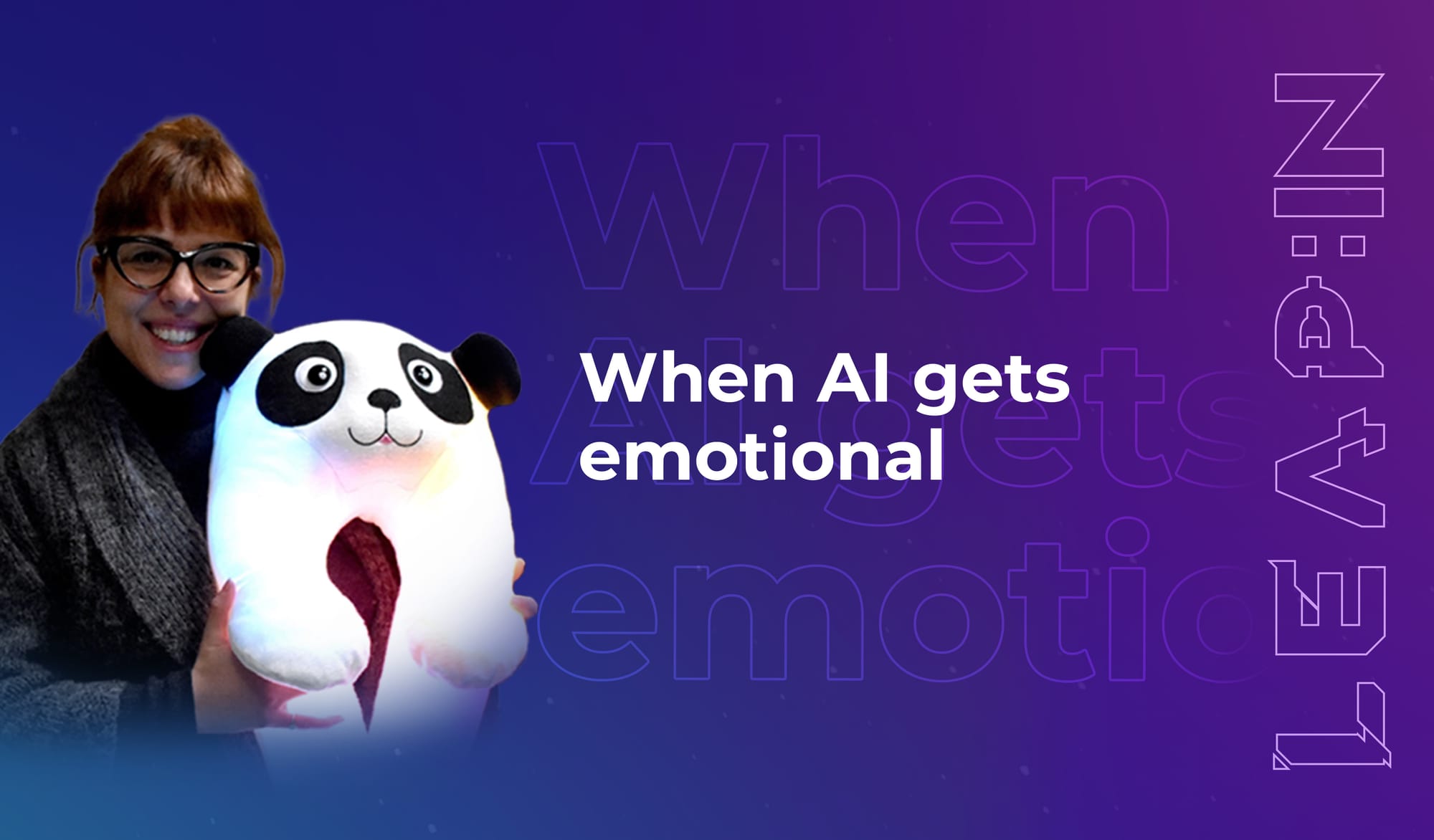
How bacteria, AI and IoT are turning infrastructure into responsive systems
In Kyoto, neural networks are helping revive one of Japan’s oldest textile traditions.
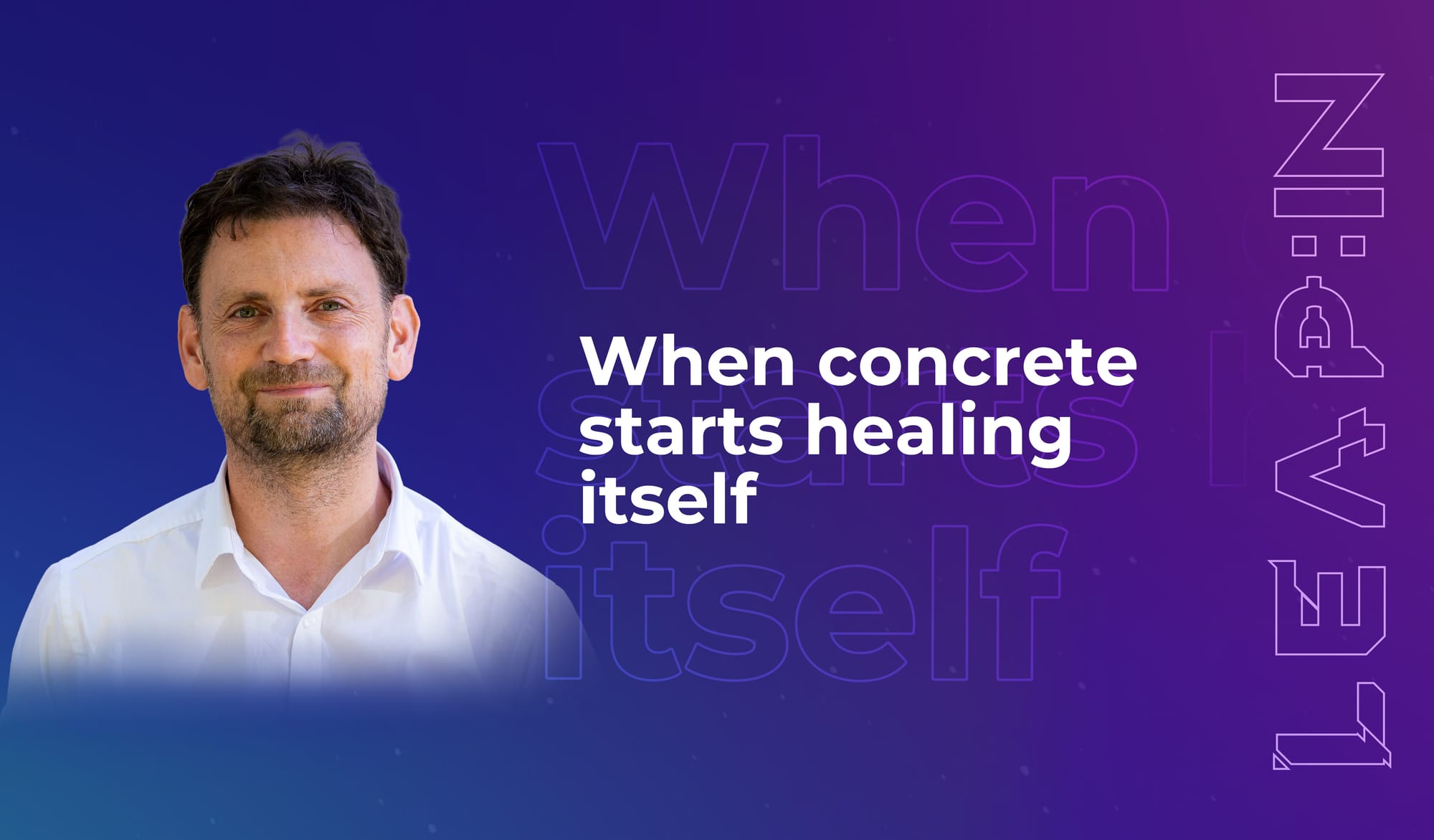
How bacteria, AI and IoT are turning infrastructure into responsive systems