
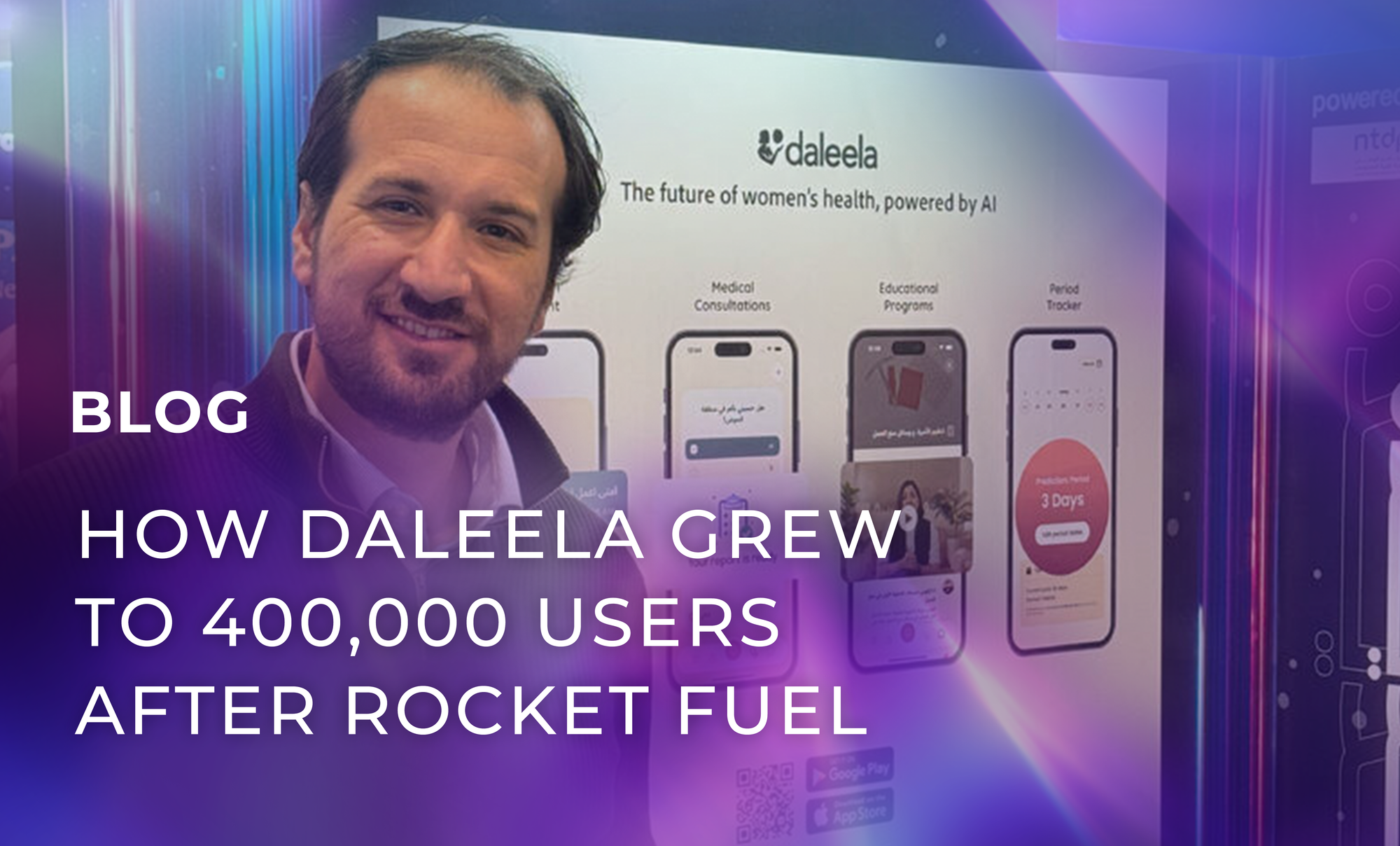
How Daleela grew to 400,000 users after Rocket Fue
Discover how LEAP Rocket Fuel winner Daleela grew to 400,000 users, completed 8,000 consultations and expanded women's healthcare across the region.

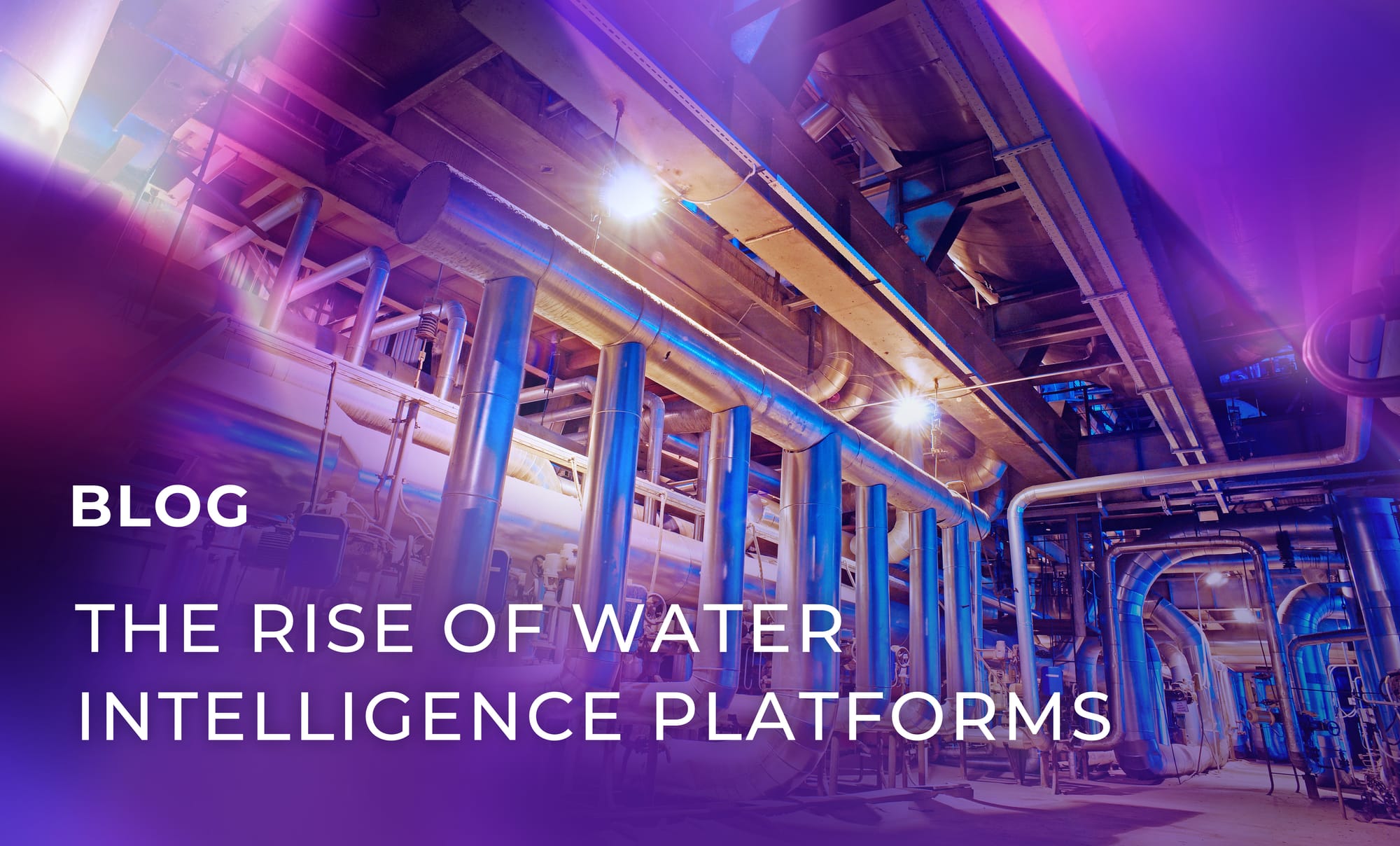
Water infrastructure is starting to think.
OK, not literally. But beneath cities and industrial zones, water systems are becoming less passive and more responsive – equipped with sensors, connected through cloud platforms, and increasingly capable of monitoring themselves in real time.
You (like most people) probably still think of water infrastructure as mechanical, if you think about it at all. Pipes and pumps and treatment plants – physical systems doing physical work.
But a digital layer is rapidly forming above that physical foundation. And it may become one of the most consequential infrastructure shifts of the next decade.
Historically, many utilities have operated with limited real-time awareness of what is happening across their networks. Information often arrives slowly, through fragmented systems or manual reporting processes. Leaks can remain undetected for long periods, and maintenance tends to be reactive rather than predictive.
The Inter-American Development Bank describes digital transformation as an opportunity to improve outcomes for both utilities and customers through better sensing systems and stronger operational decision-making.
But the broader implication here is cultural.
Increasingly, water systems are becoming data environments – and this is where water intelligence platforms come in.
These platforms combine technologies including…
…to create continuously monitored water networks.
Far from digitisation for its own sake, the real goal is operational awareness.
Smart meters, for example, can now provide near real-time data on water consumption and waste, according to the World Future Energy Summit (WFES).
That changes the relationship between utilities and consumers. Instead of waiting for monthly billing cycles or visible failures, both sides gain a live picture of system behaviour.
WFES notes that digital systems provide utilities with a more holistic and data-centric view of infrastructure networks, supporting maintenance decisions, investment planning, and sustainable operations – which is increasingly important as water systems become more stressed.
Urban populations are rising. Climate volatility is increasing. Water scarcity pressures are intensifying across many regions, particularly in the Middle East and Africa.
That pressure is helping drive rapid growth in smart water management technologies. According to P&S Intelligence, the Middle East and Africa smart water management market is projected to grow from USD $1.4 billion in 2025 to $3.1 billion by 2032, representing a CAGR of 12.1%.
The technologies driving that growth include:
For us at LEAP, this moment is particularly interesting because we’re seeing water infrastructure start to converge with broader smart city development.
Dubai, Riyadh, Cairo and Johannesburg are already expanding smart water programmes integrating hardware, analytics platforms and digital monitoring systems. And the Middle East is likely to remain a focal point for these developments – because water scarcity creates urgency while state-backed infrastructure investment creates scale.
Unlike older utility systems built in fragmented phases over decades, newer regional infrastructure projects can integrate digital systems (like connected sensors and centralised operational dashboards) from the beginning. This creates ideal conditions for water intelligence platforms to mature quickly.
Researchers note that many utilities still face barriers – things like limited capital access, skills shortages, infrastructure constraints, and organisational resistance to change.
All of this means the future of water intelligence may depend as much on governance and implementation as on software itself.
But still, it’s clear that water systems are no longer just industrial assets. They’re becoming information systems – and the cities that learn to read those systems best will build greater resilience for the future.
Join us at LEAP 2026 to meet the tech innovators and infrastructure leaders who are working to solve society’s biggest problems with tech.
Discover how LEAP Rocket Fuel winner Daleela grew to 400,000 users, completed 8,000 consultations and expanded women's healthcare across the region.

Discover how Rocket Fuel winner Lisan grew to $2.6 million ARR, secured government customers and scaled Arabic enterprise AI one year after LEAP 2025.
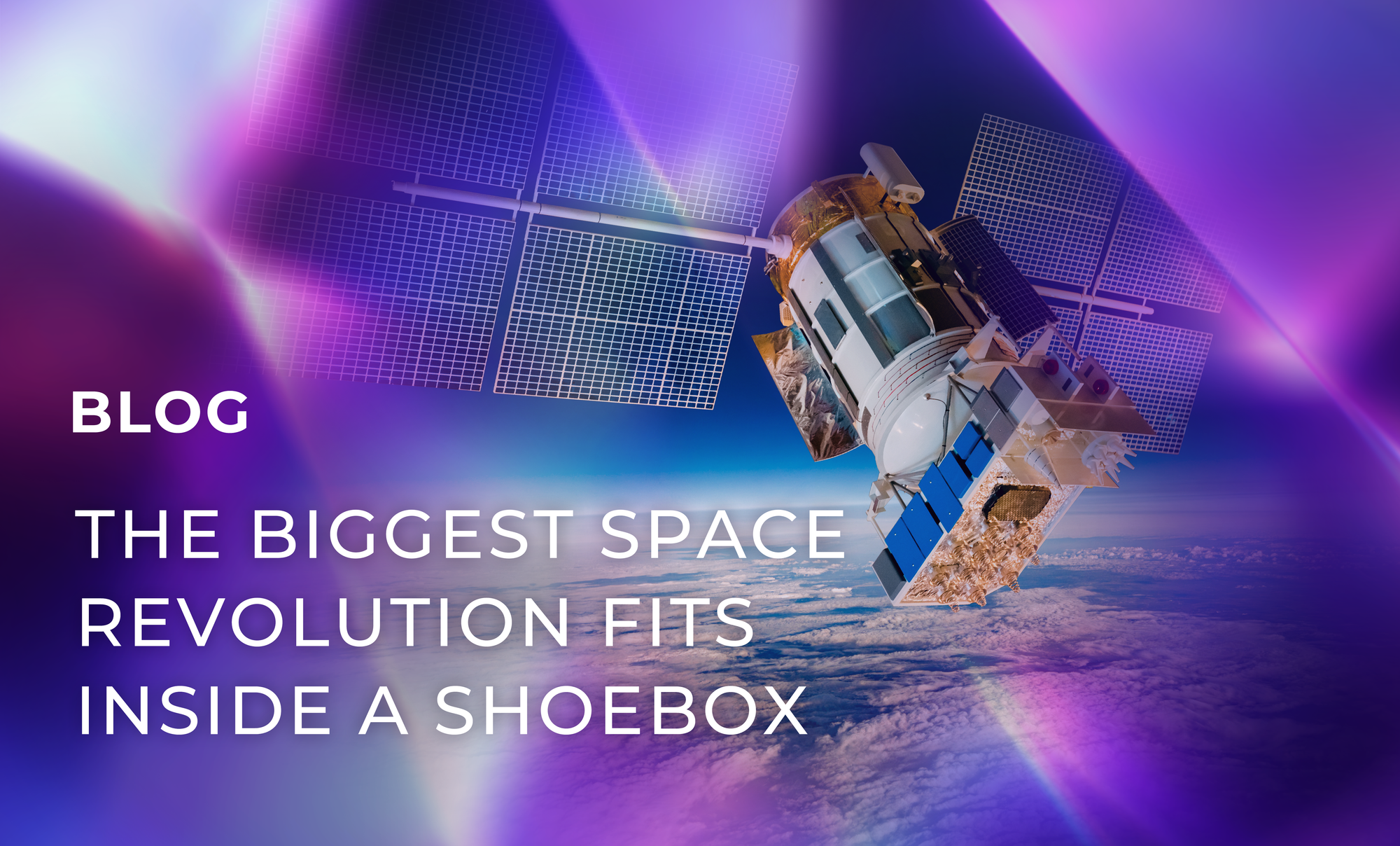
Discover how CubeSats are transforming space technology. From NASA's climate mission to maritime monitoring, these tiny satellites are making a big impact on science and innovation.
Discover how LEAP Rocket Fuel winner Daleela grew to 400,000 users, completed 8,000 consultations and expanded women's healthcare across the region.

Discover how Rocket Fuel winner Lisan grew to $2.6 million ARR, secured government customers and scaled Arabic enterprise AI one year after LEAP 2025.
Discover how CubeSats are transforming space technology. From NASA's climate mission to maritime monitoring, these tiny satellites are making a big impact on science and innovation.