
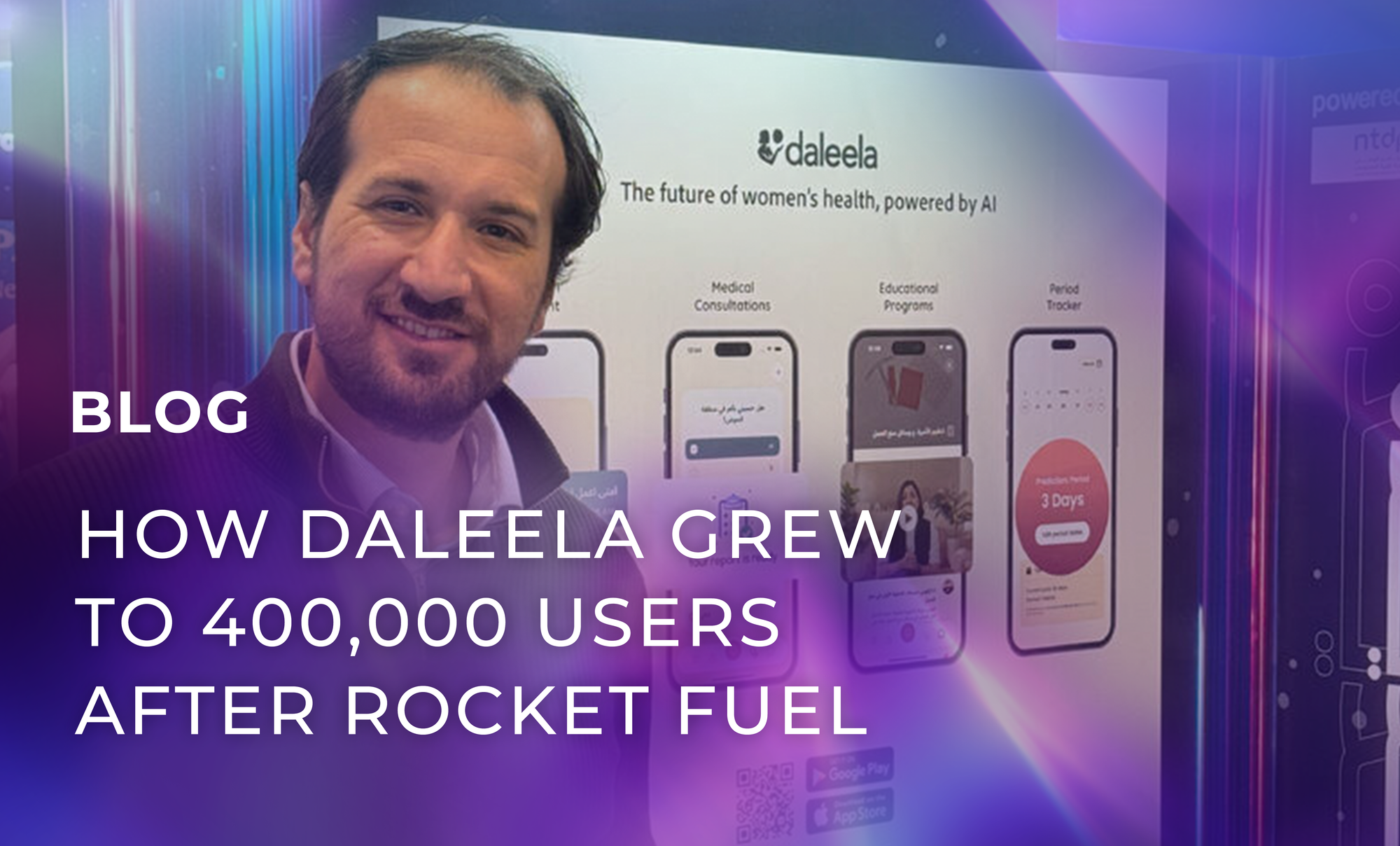
How Daleela grew to 400,000 users after Rocket Fue
Discover how LEAP Rocket Fuel winner Daleela grew to 400,000 users, completed 8,000 consultations and expanded women's healthcare across the region.

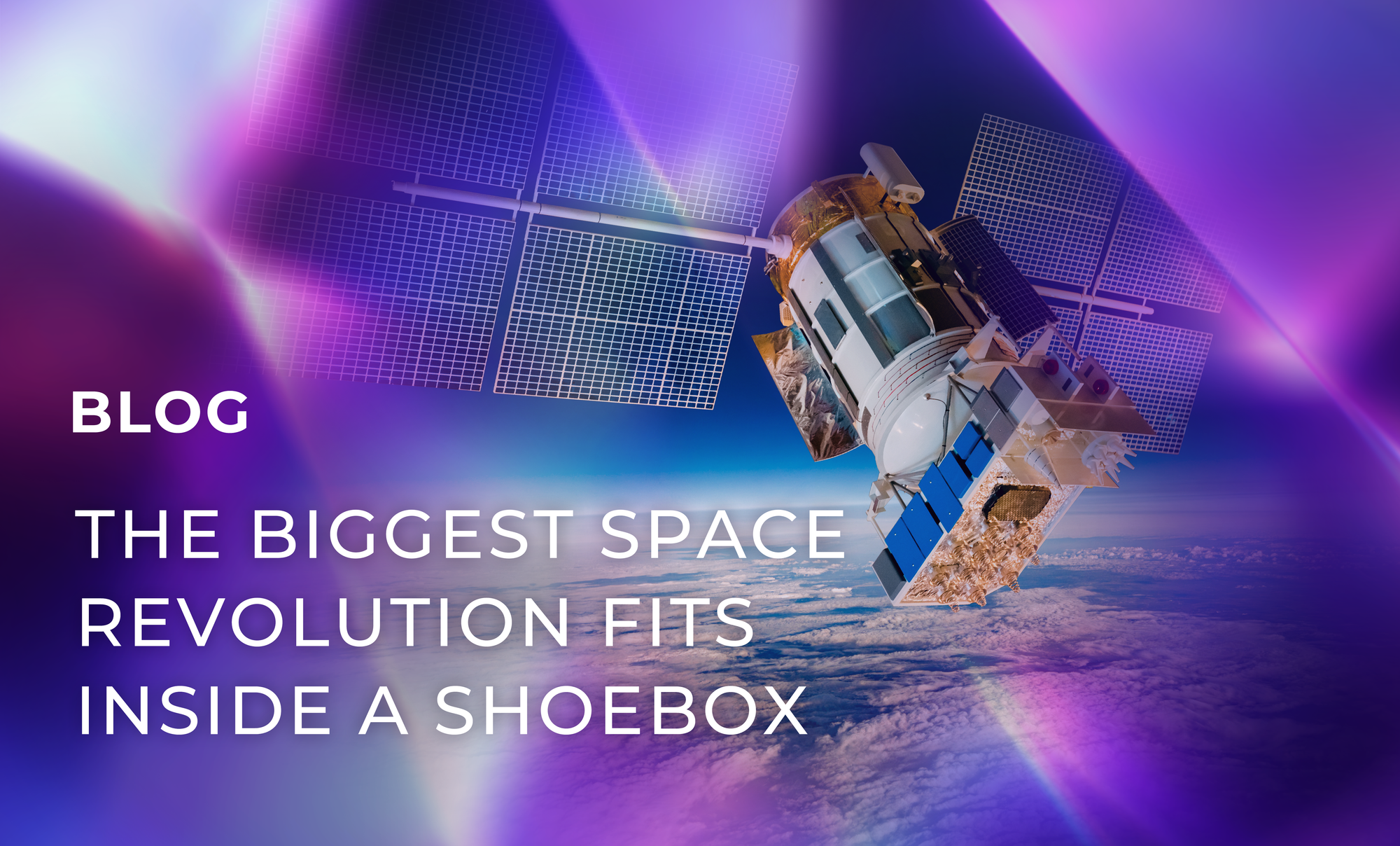
When most of us picture a satellite, we imagine something the size of a bus – packed with complex equipment and costing hundreds of millions to build.
But some of today's most exciting space missions are far smaller.
CubeSats (compact satellites built from standardised cube-shaped units) are changing who gets to access space and what they can achieve once they're there. They're helping scientists better understand our changing climate, improving maritime safety and giving more organisations the opportunity to test new ideas in orbit.
One of the strongest examples is NASA's PREFIRE mission, launched to answer one key question: how does heat escape from Earth into space?
PREFIRE uses two CubeSats to collect measurements that scientists hope will improve climate and weather models. In August 2025, NASA announced that the mission had been extended through September 2026 after successful early operations, expanding its observations from Earth's polar regions to the entire planet.
For climate scientists, those measurements help fill an important gap in understanding Earth's energy balance – information that ultimately feeds into better predictions of future climate change and extreme weather.
Not every CubeSat is looking millions of kilometres into space. Some are focused much closer to home.
In 2025, the European Space Agency (ESA) supported the launch of the first missions in Greece's National Small Satellite Programme – a step that demonstrates how smaller nations can build meaningful space capability through CubeSat technology.
One of those missions, MICE-1, is a 3U CubeSat designed to improve maritime tracking in the Mediterranean using Automatic Identification System (AIS) signals. It also carries an Internet of Things (IoT) communications payload, opening up opportunities for smarter monitoring of ships and connected infrastructure.
Missions like these aren’t intended to replace larger satellites. But they show how CubeSats can solve highly specific problems with speed and efficiency.
For decades, launching a satellite into orbit was something only the world's largest space agencies could realistically achieve.
That’s no longer the case. Through Greece's National Small Satellite Programme, ESA is supporting seven CubeSat missions spanning:
And they’re planning additional launches throughout 2026.
It's a powerful example of how smaller, focused missions are expanding access to space technology and enabling more countries, organisations and research teams to contribute to innovation beyond Earth's atmosphere.
Everyone talks about the small size of CubeSats. But what’s more remarkable is what they’re now capable of doing.
They're collecting scientific data that could improve climate models. They're helping monitor shipping routes and connected infrastructure. They're supporting communications, Earth observation and research that once demanded much larger (and far more expensive) missions.
As space technology continues to evolve, some of the most transformative ideas are the ones that fit inside a shoebox.
Discover how LEAP Rocket Fuel winner Daleela grew to 400,000 users, completed 8,000 consultations and expanded women's healthcare across the region.

Discover how Rocket Fuel winner Lisan grew to $2.6 million ARR, secured government customers and scaled Arabic enterprise AI one year after LEAP 2025.

Attending LEAP for the first time? Discover 10 essential tips to help you plan your visit, from booking accommodation and navigating the technology conference to networking and exploring Riyadh.
Discover how LEAP Rocket Fuel winner Daleela grew to 400,000 users, completed 8,000 consultations and expanded women's healthcare across the region.

Discover how Rocket Fuel winner Lisan grew to $2.6 million ARR, secured government customers and scaled Arabic enterprise AI one year after LEAP 2025.

Attending LEAP for the first time? Discover 10 essential tips to help you plan your visit, from booking accommodation and navigating the technology conference to networking and exploring Riyadh.