
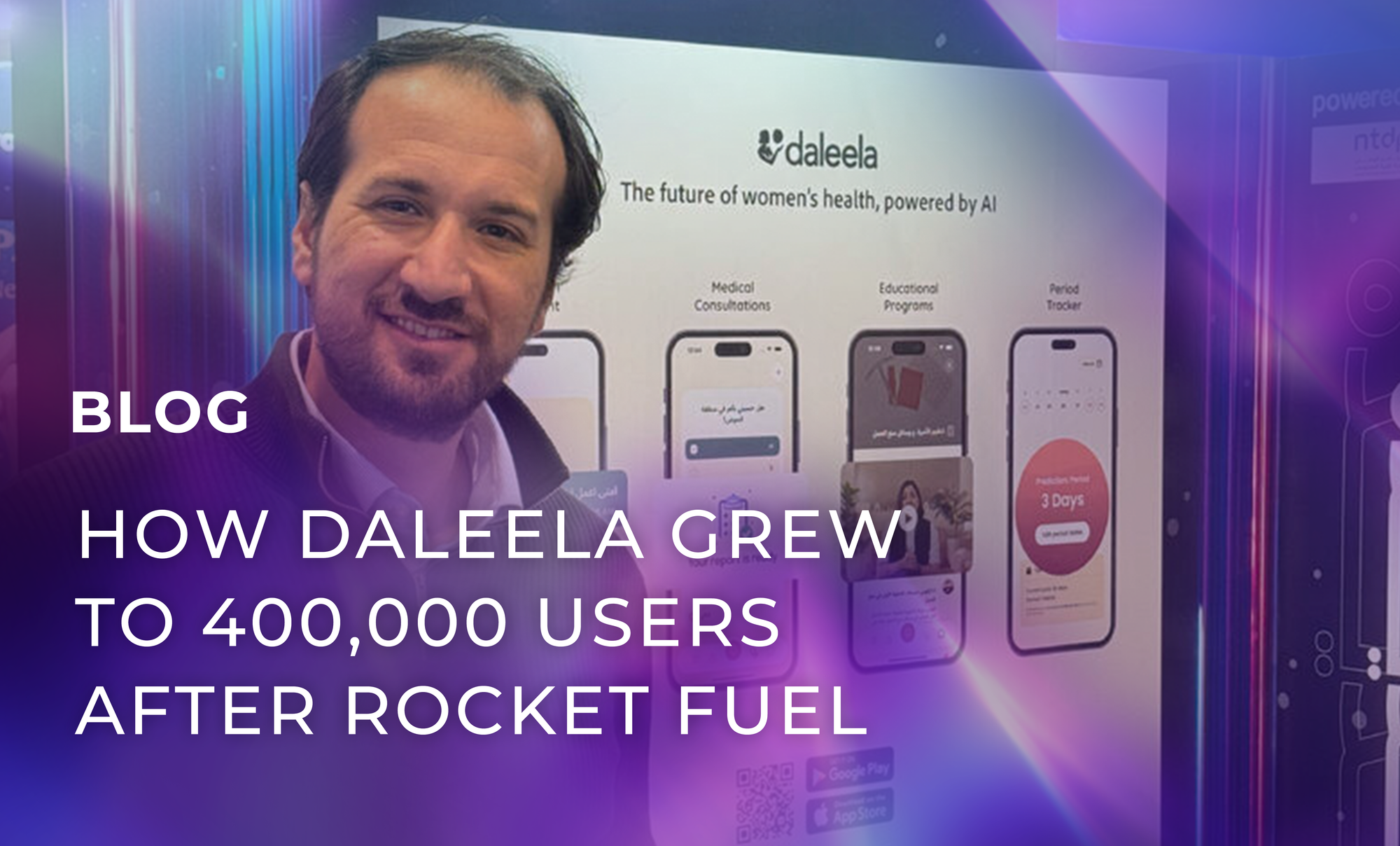
How Daleela grew to 400,000 users after Rocket Fue
Discover how LEAP Rocket Fuel winner Daleela grew to 400,000 users, completed 8,000 consultations and expanded women's healthcare across the region.

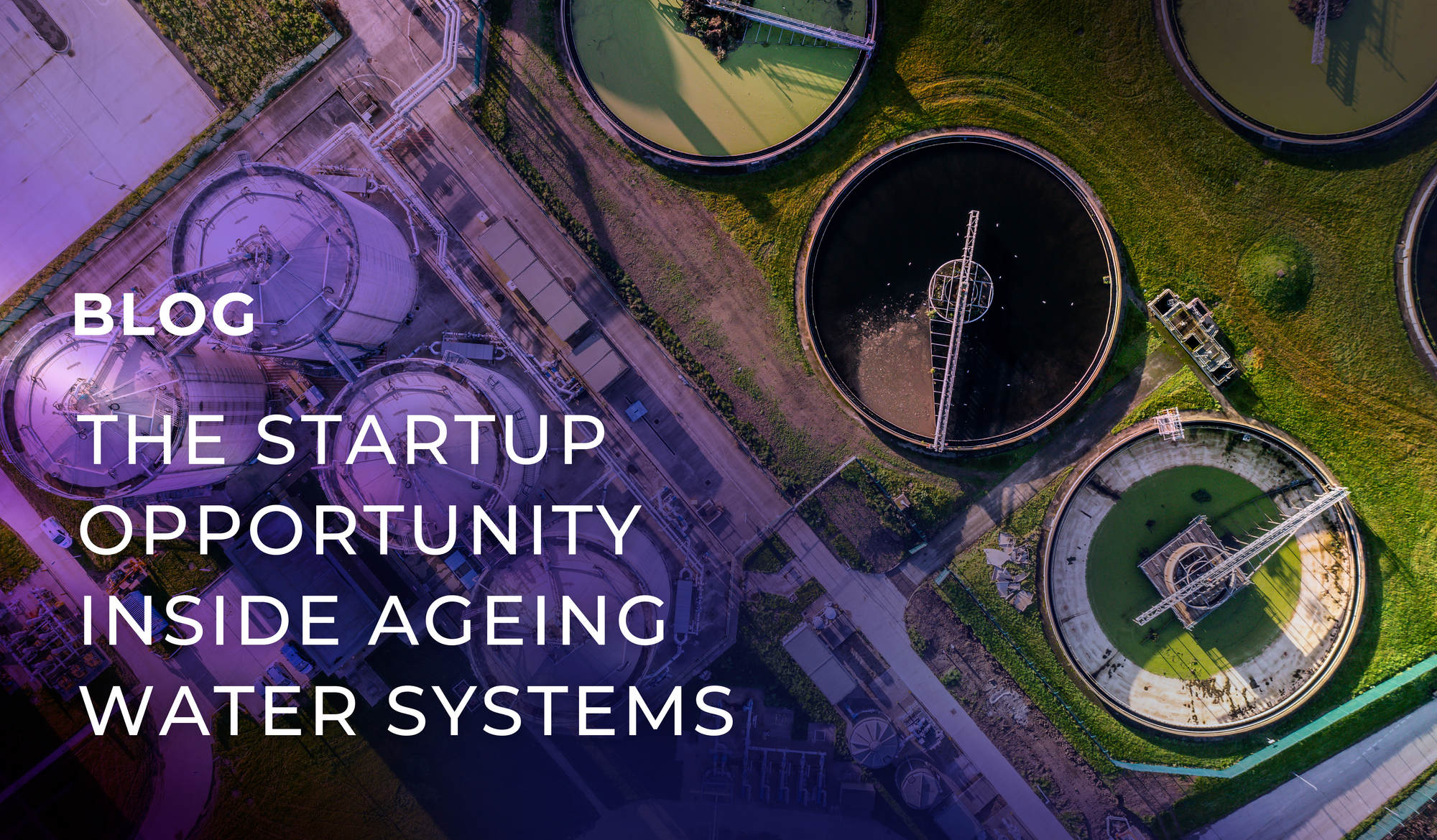
Most water systems are underground – both physically and culturally. They’re out of sight and easy to ignore, until they stop working.
For decades, the work of upgrading water infrastructure has been seen as an engineering challenge. But today, water technology is turning it into a software problem too.
According to the World Bank, non-revenue water (NRW) – water lost before it ever reaches customers – remains one of the sector’s biggest global issues. In developing countries alone, utilities lose roughly 45 million cubic metres of water daily, worth more than USD $3 billion annually.
That loss includes:
In many countries, more than 40% of treated water disappears before delivery.
But what happens once utilities can finally see these inefficiencies clearly? Because ageing water systems are, bit by bit, becoming measurable systems – and that creates new startup opportunities.
Historically, water utilities have struggled with fragmented infrastructure and limited operational visibility. Many networks still rely on reactive maintenance models – fixing problems after failure rather than predicting them beforehand.
The result is expensive inefficiency.
The World Bank and UN-Habitat both point to the importance of tools like:
On paper, these sound operational – even bureaucratic. But they depend on the digitisation of physical infrastructure. Water networks are beginning to behave more like living systems that generate continuous streams of data.
That opens the door for a new generation of companies focused not only on pipes and pumps, but on:
So some of the most important water startups of the next decade may be more like enterprise software companies than traditional infrastructure contractors.
The Middle East offers one of the clearest windows into this future. The region faces some of the world’s highest levels of water stress while simultaneously investing heavily in urban growth, industrial expansion, and digital infrastructure. Water security isn’t treated as a narrow utility issue – it increasingly sits alongside energy, logistics and connectivity as strategic national infrastructure.
Saudi Arabia alone plans to build more than 10,000 kilometres of new water transmission pipelines by 2030, with investment approaching $30 billion.
And scale like that completely changes the technology equation – because it involves a significant redesign of operating systems.
The GCC’s smart-city ambitions create particularly fertile ground for water technology platforms because new infrastructure can be designed with digital integration from the start, rather than retrofitted decades later.
And unlike many consumer technology markets, water infrastructure carries unusually long time horizons. Utilities do not change systems casually. Once embedded, infrastructure technologies can remain operational for decades.
For founders, that means:
There is also a broader shift happening in how infrastructure itself is understood. Infrastructure innovation used to be associated mainly with construction, but today, intelligence is becoming just as important as concrete.
Instead of simply moving water, the next generation of water systems will monitor themselves continuously:
That last point is important, because water and energy are deeply connected systems. The World Bank notes that NRW does not only waste water; it also wastes the energy used to pump and treat it.
That makes reducing leakage both an infrastructure challenge and an efficiency challenge – and efficiency increasingly relies on software.
This does not mean the water sector will suddenly become frictionless. Quite the opposite. Utilities will continue to be highly regulated, politically sensitive, and operationally complex. UN-Habitat notes that sustainable NRW reduction often requires years of organisational and cultural change.
But for tech founders, that complexity is exactly why the opportunity is becoming more interesting. Because the future of infrastructure belongs not only to those who can build systems – but to those who can make invisible systems legible.
Join us at LEAP from 31 August – 3 September 2026 to hear directly from the people shaping the future of technology.
Discover how LEAP Rocket Fuel winner Daleela grew to 400,000 users, completed 8,000 consultations and expanded women's healthcare across the region.
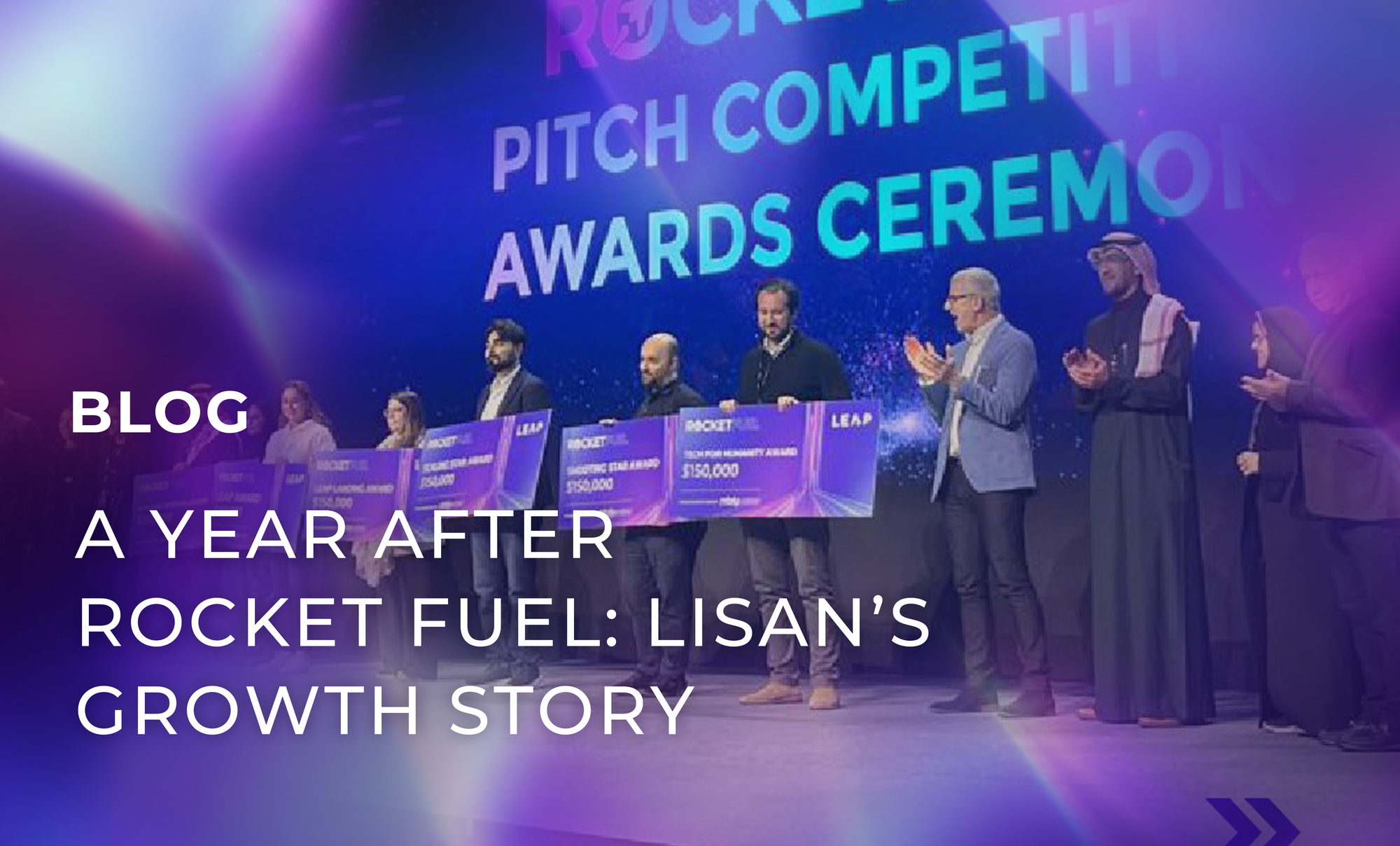
Discover how Rocket Fuel winner Lisan grew to $2.6 million ARR, secured government customers and scaled Arabic enterprise AI one year after LEAP 2025.
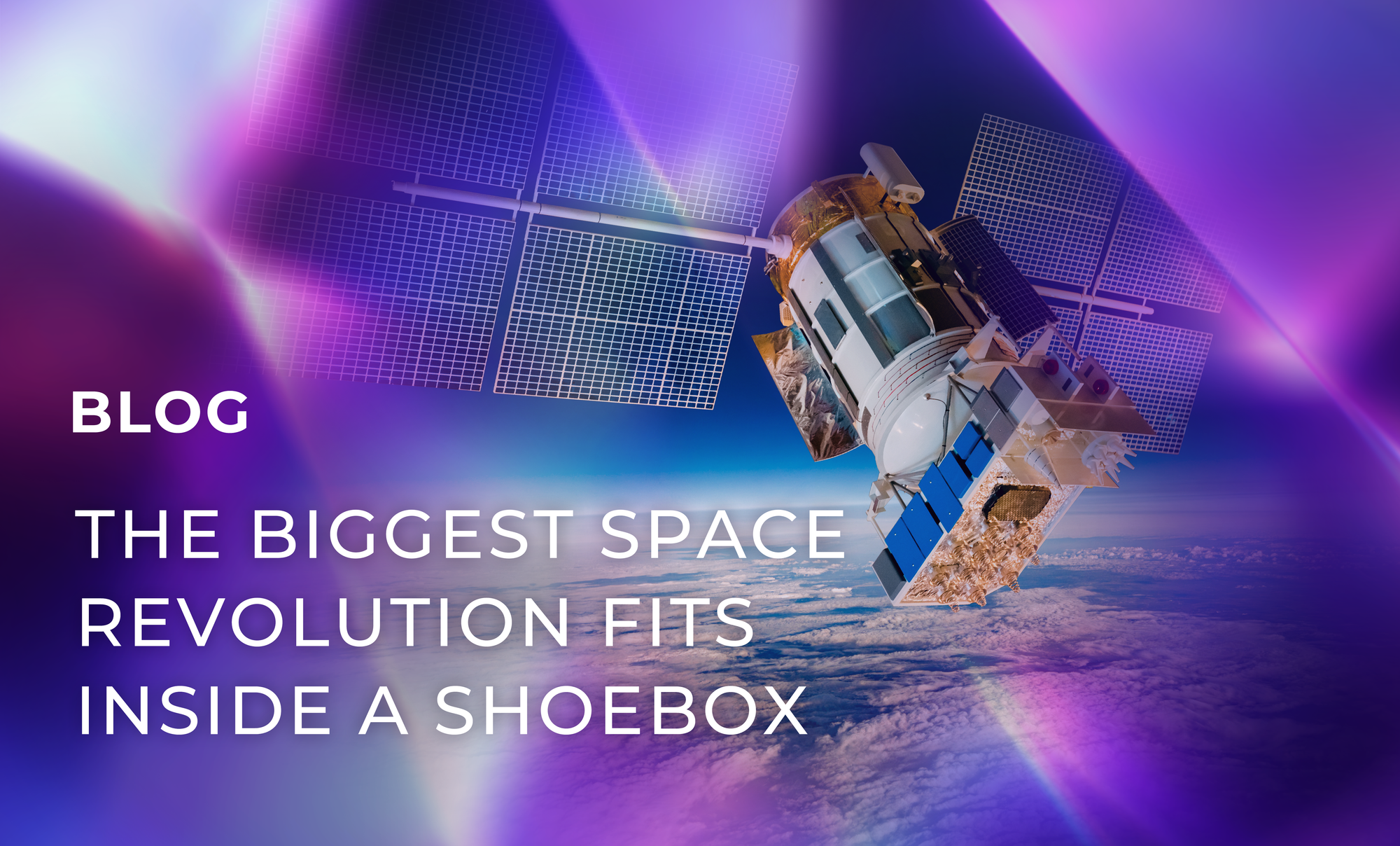
Discover how CubeSats are transforming space technology. From NASA's climate mission to maritime monitoring, these tiny satellites are making a big impact on science and innovation.
Discover how LEAP Rocket Fuel winner Daleela grew to 400,000 users, completed 8,000 consultations and expanded women's healthcare across the region.
Discover how Rocket Fuel winner Lisan grew to $2.6 million ARR, secured government customers and scaled Arabic enterprise AI one year after LEAP 2025.
Discover how CubeSats are transforming space technology. From NASA's climate mission to maritime monitoring, these tiny satellites are making a big impact on science and innovation.