
Governance just got cool again (and we’re into it)
The most ambitious markets are treating governance as an opportunity

If you haven’t already, subscribe and join our community in receiving weekly tech insights, updates, and interviews with industry experts straight to your inbox.
Discover exclusive interviews and mind-opening perspectives from the global LEAP community – in your inbox every week.
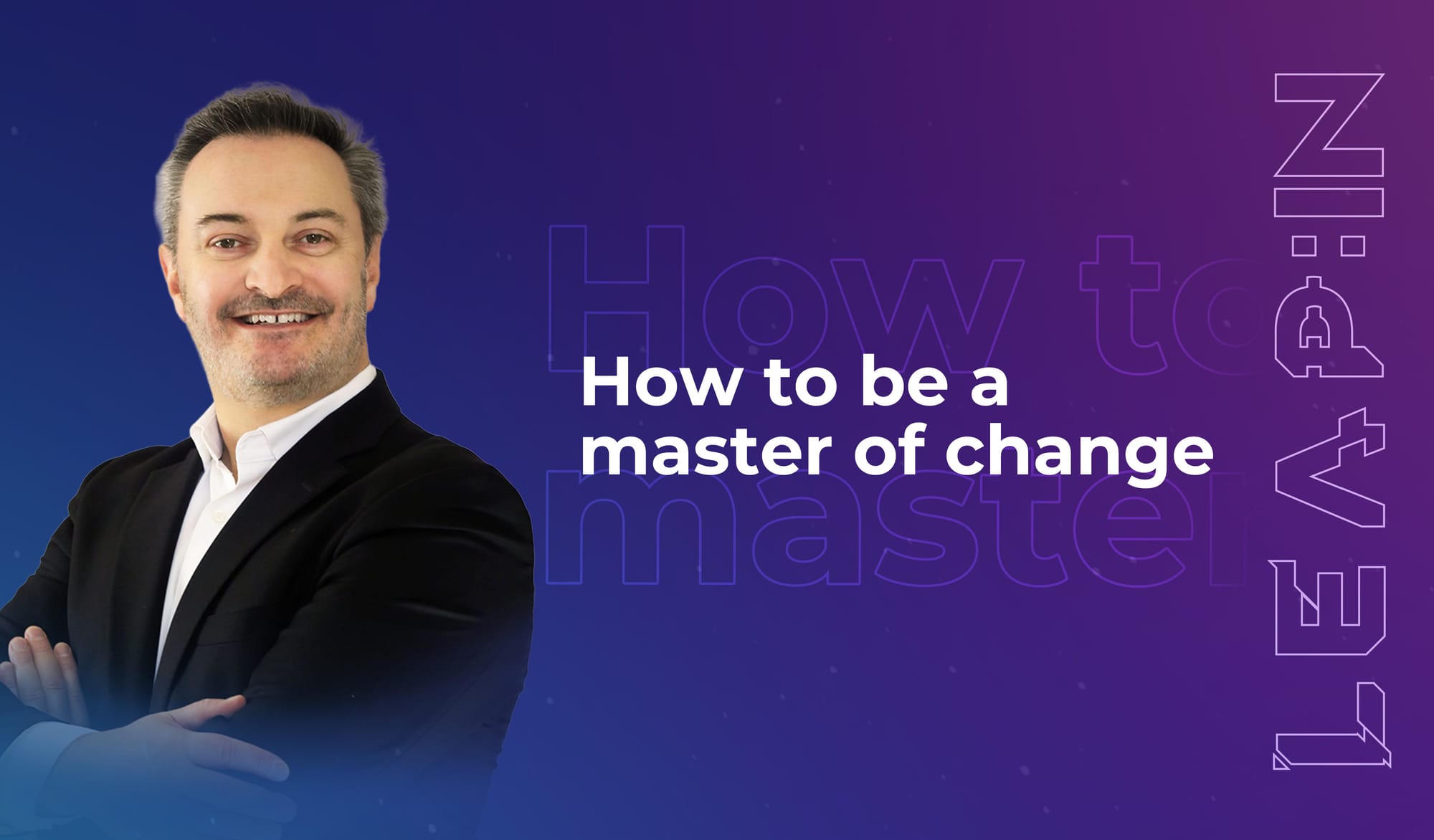
What Reichental said:
“Become a master of change. That's really the foundation."
We asked this question:
What mindset do leaders need to build today to navigate a world where technological change is accelerating?
And Reichental’s answer was all about embracing and working with that change, not against it.
It’s important to talk about this right now, because even (or maybe especially) in the tech industry itself, people are feeling a lot of anxiety. We’re getting stuck somewhere between a product roadmap that doesn’t quite make sense anymore, and a headline about AI doing something you thought would take a decade.
More and more people are worried that what they’re capable of, and what they know, might not be enough.
If you’re worried about whether you can keep up, Reichental’s perspective is comforting. He doesn’t pretend the pace will ease, but encourages us to step into it and move with it.
“You have to get comfortable with experimentation, with building bolder visions, and being willing to revisit and retool constantly. The pace of technology isn't slowing down, so you can't afford to lock in a strategy for five years and hope it holds.”
Lots of people in the current generation of tech professionals were taught to optimise for certainty; to pick a lane and build depth. But as the ground keeps shifting, the skill you need to develop is movement.
If you want to position yourself for the future, Reichental emphasised the value of proximity to what’s coming next.
“The second thing is surrounding yourself with people who are ahead of the curve. You need folks who understand emerging technology, not just the tech we have today.”
In practice, that might look like small, deliberate exposure:
And of course, attending LEAP will place you right in the heart of emerging tech.
Anxiety sometimes comes from distance – it’s harder to read the future if you’re not getting up close to it and learning about the latest developments firsthand. When you do get closer, it starts to take shape.
Third, Reichental said,
“... embrace the experimentation mindset. Run pilots. Test ideas. Fail small, learn fast. Don't wait for perfect information before moving.”
This is where careers diverge. There are the people who wait for clarity and stability before they try something out, and there are the people who start running small experiments early. A side project, a new tool, a different role; they step in before everything’s laid out and ready for them. We’re not talking about reckless leaps here; just enough movement to stay relevant.
Because the real risk now isn’t choosing the wrong path – it’s staying still long enough for the path to disappear beneath you.
None of this removes the uncertainty, but it does allow you to experience uncertainty in a different way.
Instead of worrying whether your role is going to exist in five years, you start asking whether you’re building the ability to adapt when your role does, inevitably, change. And that gives you confidence – you might not be certain about the future, but you can trust that you’re capable of meeting it.
Maybe that’s what mastering change really means. Building your own capacity to stay steady; to lose balance and regain it again, as the world around you moves.
Designing cities that start with people
Meet us in Riyadh from 31 August – 3 September 2026 to hear directly from the people shaping the future of technology.
Have an idea for a topic you'd like us to cover? We're eager to hear it. Drop us a message and share your thoughts.
Catch you next week,
The LEAP Team
The most ambitious markets are treating governance as an opportunity
Two companies arrived at LEAP with very different ambitions. Both left on a larger trajectory.
The internet stopped being a place we visit – and became the environment we live inside.
The most ambitious markets are treating governance as an opportunity
Two companies arrived at LEAP with very different ambitions. Both left on a larger trajectory.
The internet stopped being a place we visit – and became the environment we live inside.