
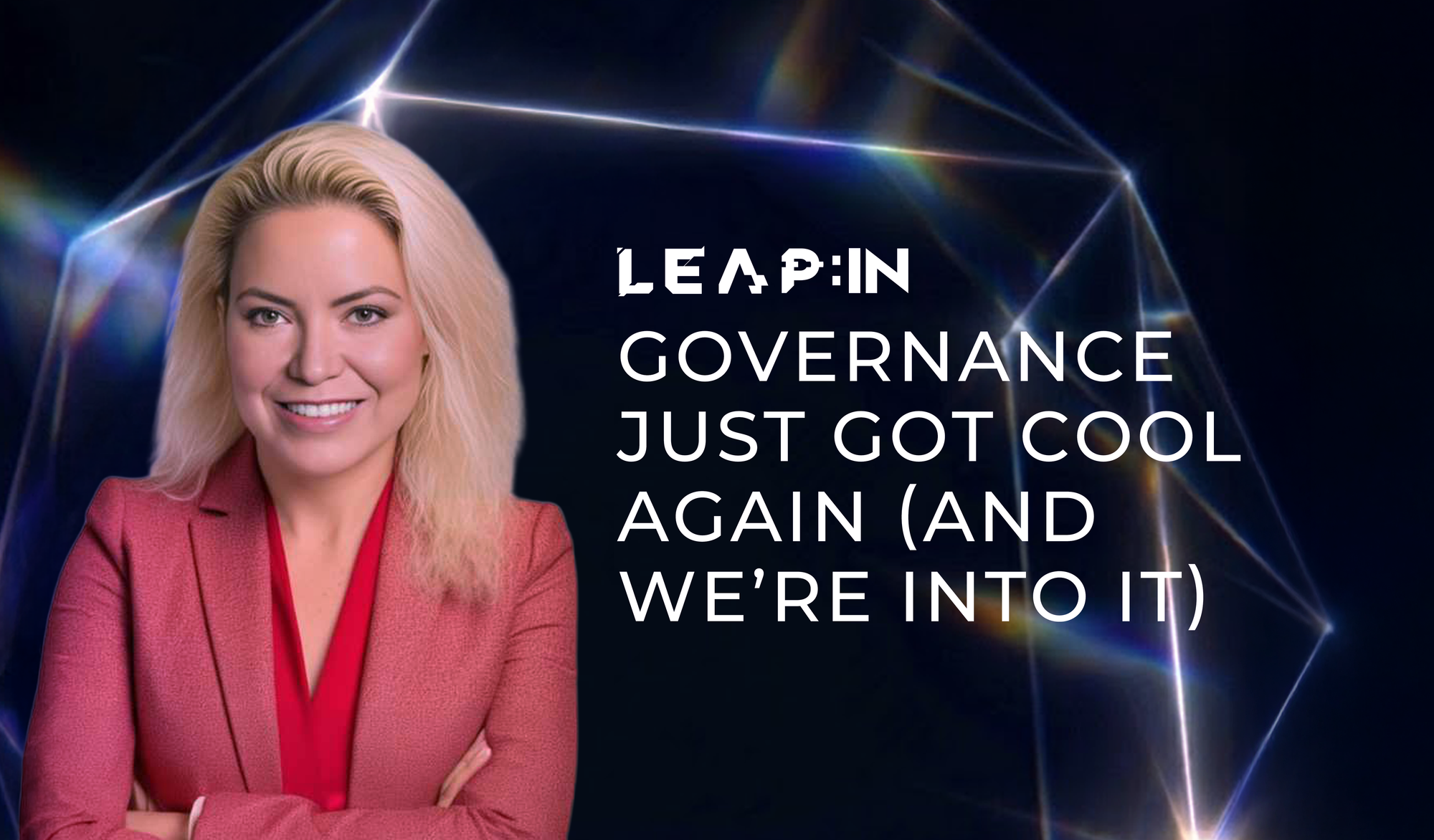
Governance just got cool again (and we’re into it)
The most ambitious markets are treating governance as an opportunity

If you haven’t already, subscribe and join our community in receiving weekly tech insights, updates, and interviews with industry experts straight to your inbox.
Expand your knowledge with insights and interviews from the global LEAP community – in your inbox every week.
What Savoca said:
“There are not very many conservation issues that I’m aware of where industry and conservationists and consumers and the fishermen and the resource users all want the same thing.”
We’ve set ourselves a challenge this week – to make fishing nets interesting to people who aren’t interested in fishing.
But it’s going to be easier than we thought. In his interview with Knowable Magazine, Savoca pointed out that everyone wants less bycatch (marine species caught by accident in fishing nets) – and that everyone includes the tech industry.
It sounds like a low-fi problem. Fishing nets catch things they’re not supposed to; turtles, sharks, seabirds, juvenile fish. But it’s a problem that has long created limits for fisheries around the world. It reduces efficiency and damages ecosystems, and introduces friction between sustainability goals and commercial reality.
Fishing equipment has traditionally been designed for reach and volume. Nets, lines, and trawls prioritise efficiency, with limited ability to distinguish between species.
In the Knowable Magazine article, we learn about a new generation of tools enabling selectivity at the point of capture.
Examples include:
Across a number of trials, these approaches have delivered measurable reductions in bycatch while maintaining commercially viable catch levels. That balance (ecological benefit alongside operational viability) decides whether these tools move beyond trials and into widespread use.
Stick with us here. At first glance, this looks like incremental innovation. But in practice, it has the potential to reshape three larger systems:
This approach tends to scale more smoothly, especially across fragmented global fisheries.
So the tech is advancing, but the key variable is uptake.
Fishing operates within tight margins, which makes practical performance central to adoption. New gear needs to:
The solutions outlined here do align with these requirements – they’re low-cost (relatively), they’re compatible with established workflows, and they’ve been validated through trials.
That combination means these fairly simple innovations have real potential to be used at scale.
You can find the same pattern across other areas of tech. Capability spreads, and the constraint shifts.
In this case, ocean conditions are still complex and dynamic (and always will be). So the interface with those conditions (the gear) is becoming more adaptable.
Fishing equipment is evolving into a set of tunable systems, where relatively small design adjustments produce meaningful changes in outcome.
We think this represents a specific category of climate opportunity – a systems-level improvement applied to an established global industry.
It sits at the intersection of ocean tech, food systems, and sustainability infrastructure. And it aligns with regions investing in coastal development and marine stewardship, across the Middle East and worldwide.
As coastal economies expand, the value of solutions that improve efficiency while protecting ecosystems becomes increasingly clear.
Earlier waves of ocean tech focused on expanding our reach into deeper waters and larger catches. This wave is centred on precision – not doing more, but doing better.
Have an idea for a topic you'd like us to cover? We're eager to hear it. Drop us a message and share your thoughts.
Catch you next week,
The LEAP Team
The most ambitious markets are treating governance as an opportunity
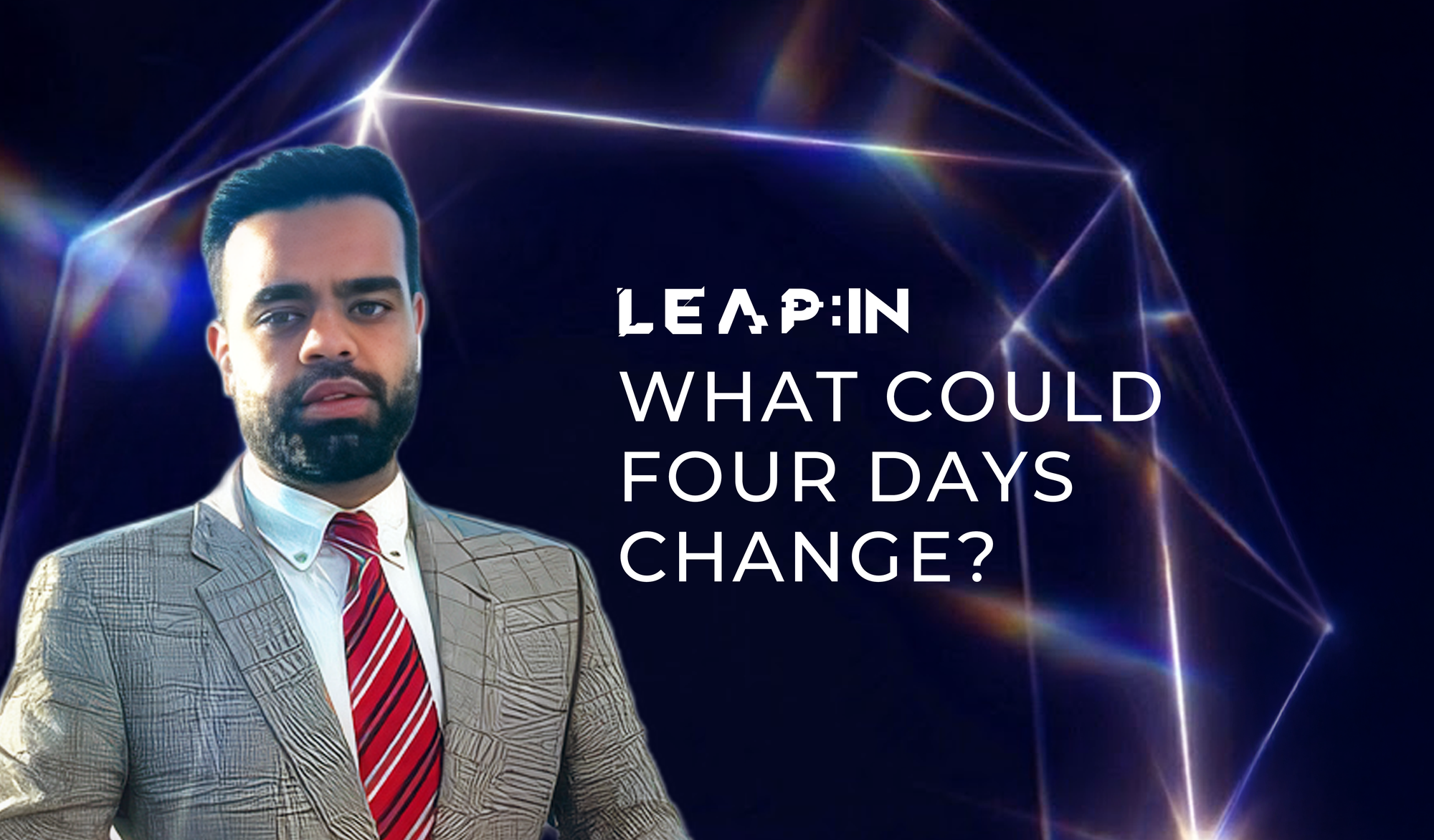
Two companies arrived at LEAP with very different ambitions. Both left on a larger trajectory.
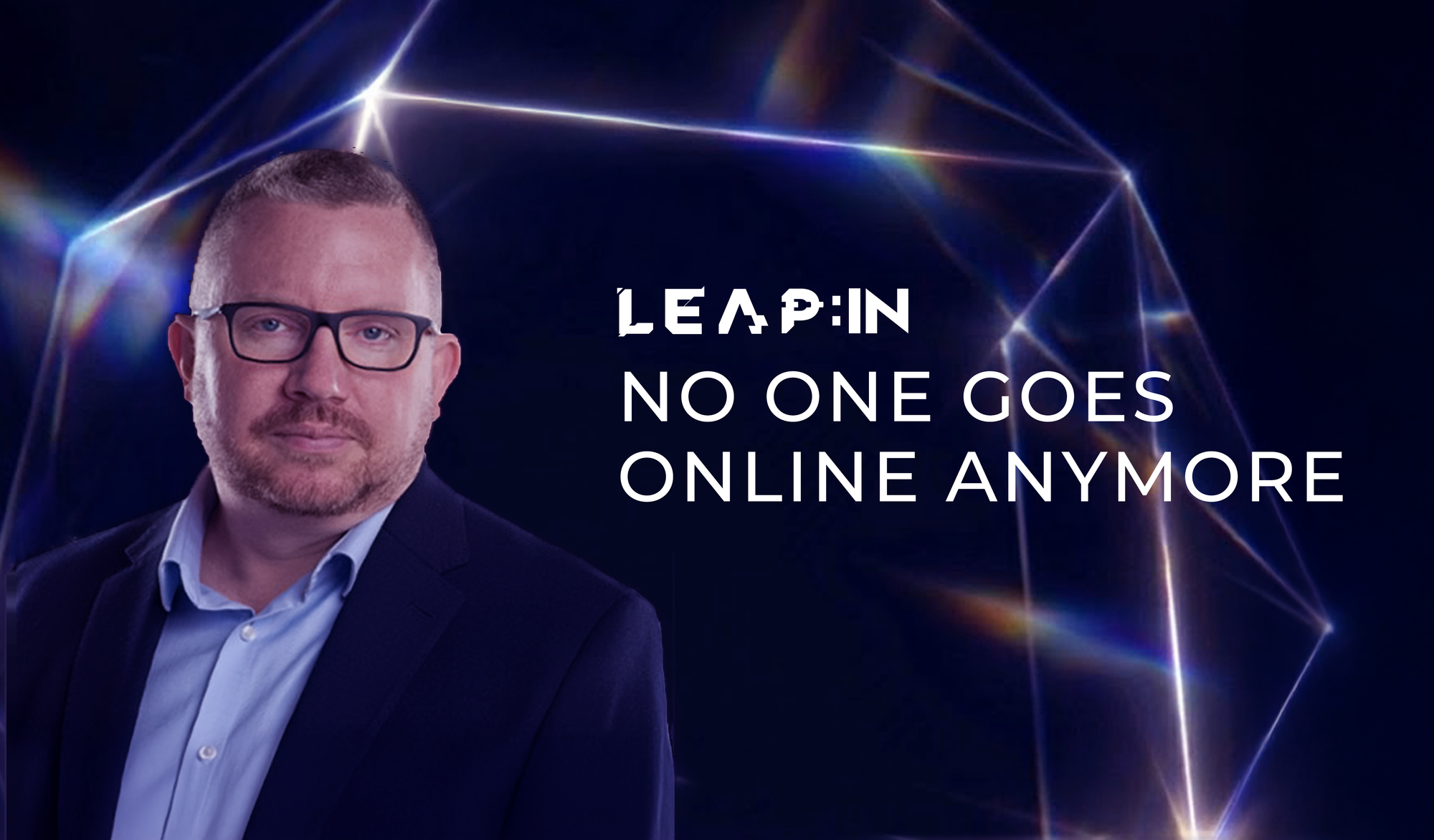
The internet stopped being a place we visit – and became the environment we live inside.
The most ambitious markets are treating governance as an opportunity
Two companies arrived at LEAP with very different ambitions. Both left on a larger trajectory.
The internet stopped being a place we visit – and became the environment we live inside.