How physics is becoming AI’s next language
Researchers are training foundation models on simulations and matter.

Insights and inspiration from the global LEAP community – to help you thrive in tech.
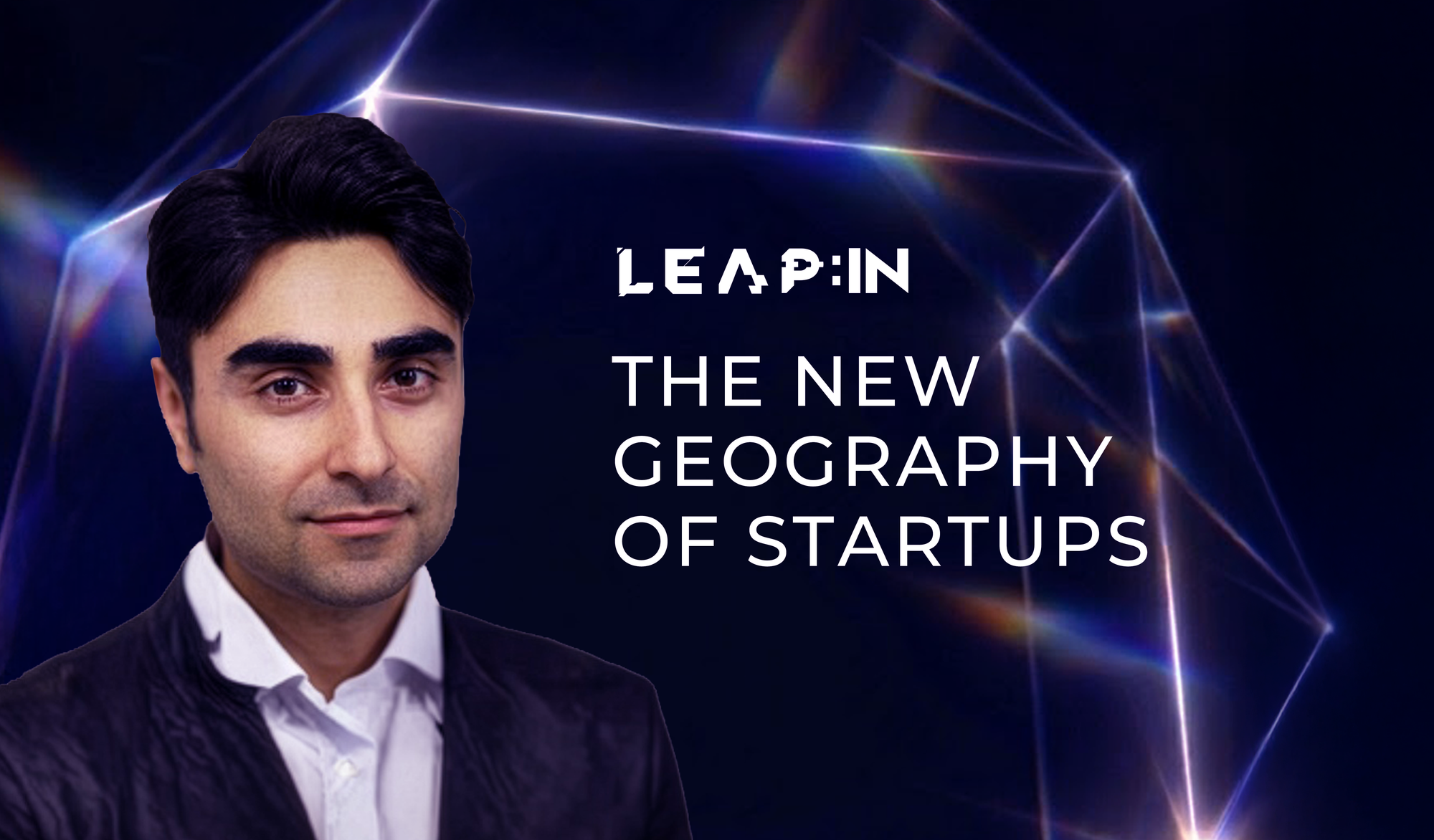
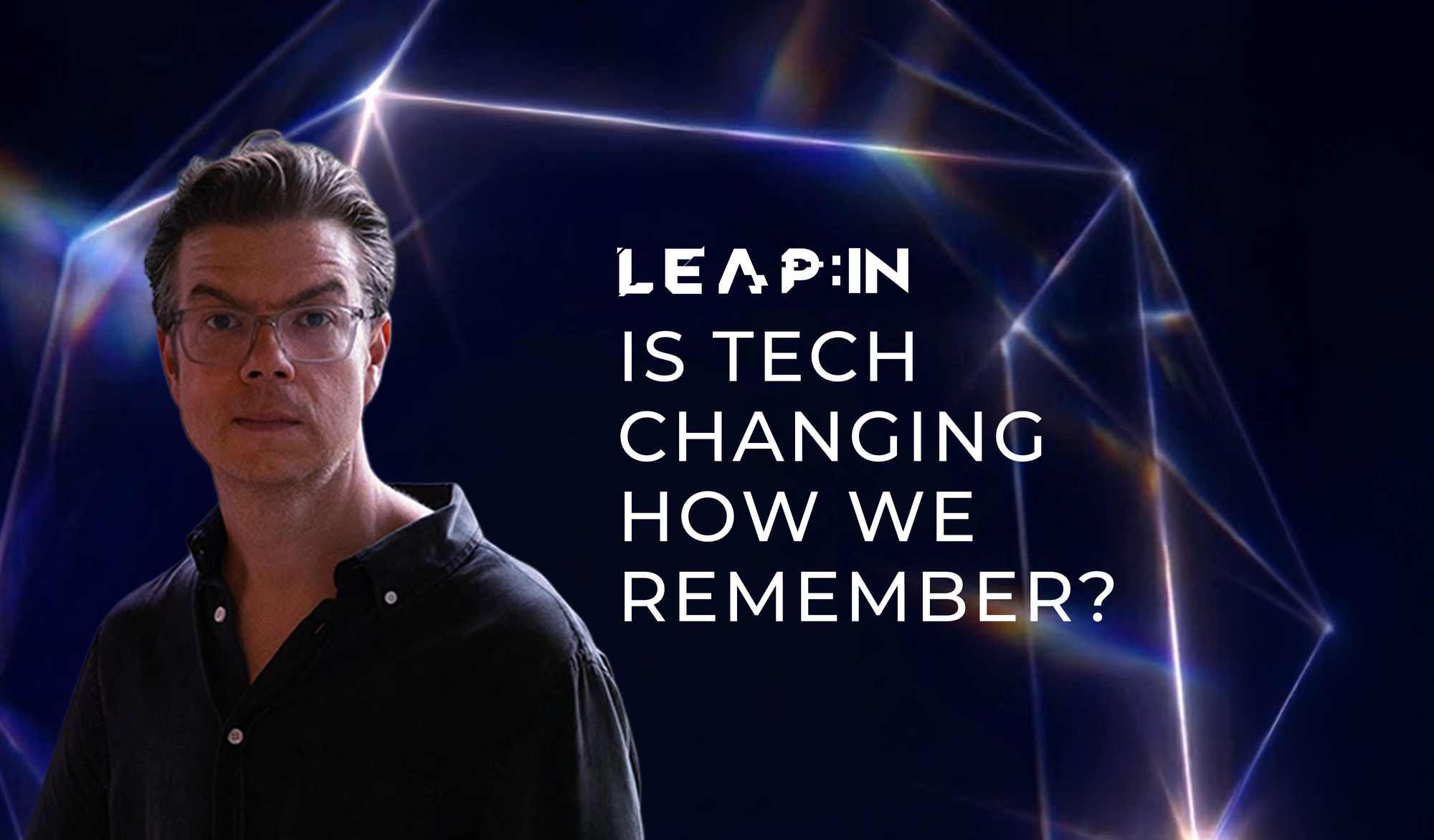
What Heshmat said:
“Conferences like LEAP are becoming a similar softlanding platform for Silicon Valley startups in the MENA region. They send a positive signal that Saudi wants to be the centre hub for technology and startups coming to the region, and show those companies they’re going to find allies to help them expand here.”
The playbook for expanding internationally has been reasonably formulaic for a long time – you’d find a distributor, open an office, hire a local team and… hope for the best.
But for founders like Barmak Heshmat, there’s another route: expanding through ecosystems rather than approaching each new market alone.
A soft landing is exactly that – a network of organisations, partners and local expertise that helps startups understand and enter a new market.
It’s this observation that really stood out to us when we spoke with Heshmat. After winning the Growth Stage category at our LEAP Rocket Fuel Startup Competition 2025, Brelyon went on to win the Entrepreneurship World Cup, began conversations about establishing a Saudi presence, and used LEAP to showcase its new Visual Engine platform to prospective regional clients.
But here we’re putting Brelyon aside for a moment, and focusing instead on Heshmat’s insight into how founders choose where (and how) to expand.
Brelyon is headquartered in Silicon Valley, established its manufacturing operations in Taiwan after entering through Taiwan Tech Arena (TTA), where it now runs its own factory, made its first hire in Japan with support from JETRO (Japan External Trade Organization), and now sees LEAP and Saudi Arabia as a potential gateway into the wider MENA region.
And all of this makes sense when you consider that successful expansion doesn’t just mean entering a country – it’s much more likely if you plug into an ecosystem that already exists.
Taiwan Tech Arena, for example, is Taiwan's flagship startup ecosystem-building programme, designed to connect technology companies with talent, markets and capital. For international startups like Brelyon, it provides a structured entry point into one of the world's most established technology and manufacturing networks.
And Japan offers a comparable route through JETRO, which supports foreign companies establishing and expanding their operations in the country, from market entry and business partnerships to taxation and office set-up.
These initiatives share the understanding that founders need more than access to a market. They need access to people, infrastructure, and expertise.
Heshmat is candid about that reality.
“The challenge with expanding to Saudi is not just finding investment or partners; it's also about ecosystem, regulations, and geography.”
We’re living in a time when countries around the world are competing to attract innovative companies. Funding might open the first door, but long-term success depends on everything that follows: specialist suppliers, experienced talent, supportive regulation, manufacturing capability, and customers willing to become early adopters.
That's also why Brelyon isn't rushing to replicate its manufacturing footprint in every new market.
Instead, the company plans to expand its Visual Engine software into the region first, before considering manufacturing later. It's a measured strategy that reflects a lesson many founders learn as they scale internationally: build where the foundations are already in place, then grow from there.
As startup ecosystems become increasingly connected, maybe the most valuable export, even more than capital or technology, is confidence.
The confidence that, wherever your next market is, you'll find partners who understand the landscape before you arrive.
Read our full conversation with Barmak Heshmat
On the blog, Heshmat reflects on how LEAP Rocket Fuel 2025 reshaped Brelyon's approach to international growth, why he believes immersive computing doesn't have to mean wearing a headset, and what founders should consider before expanding into new markets.
Researchers are training foundation models on simulations and matter.
A new benchmark challenges how we measure creativity.
Researchers are training foundation models on simulations and matter.

A new benchmark challenges how we measure creativity.