
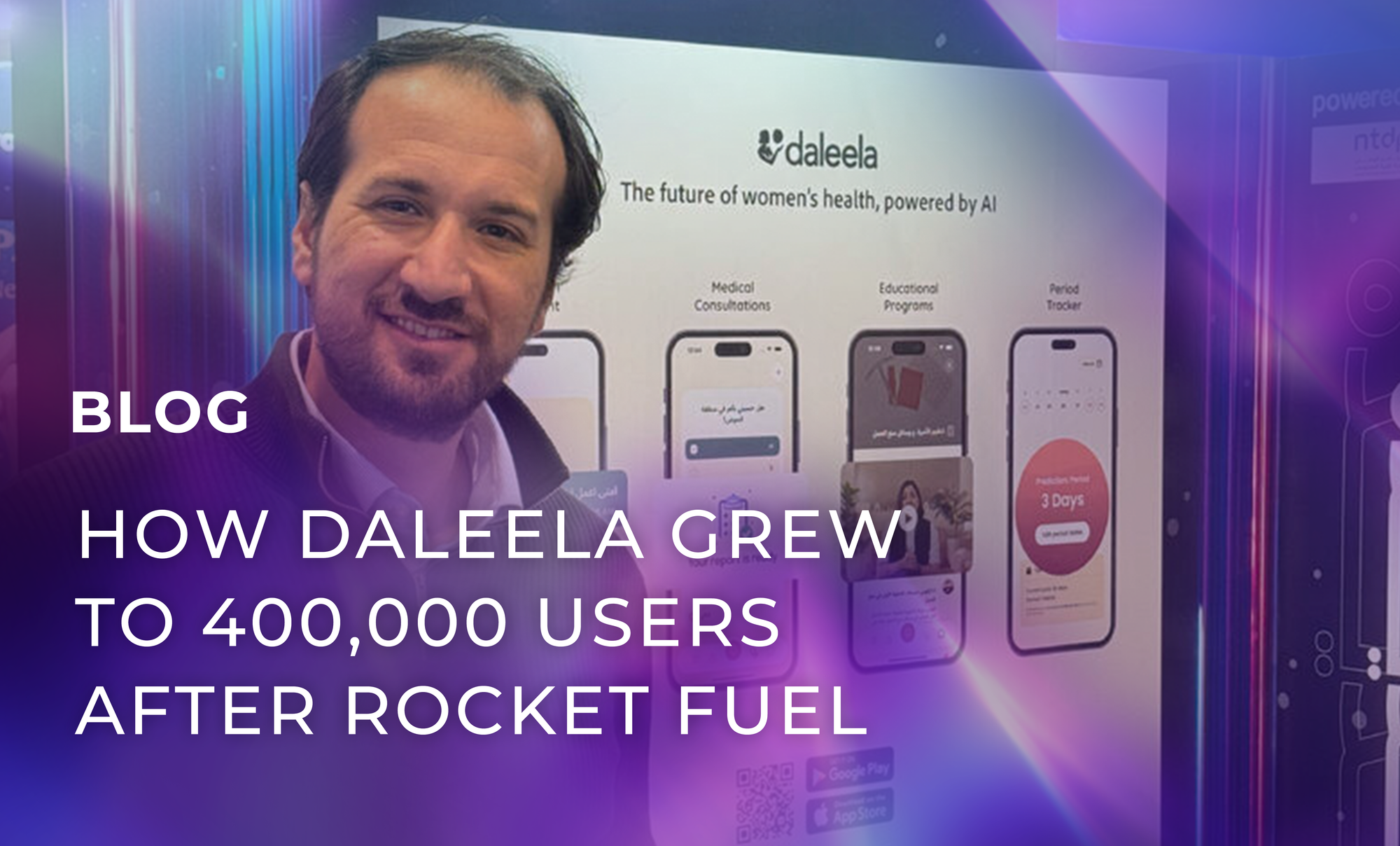
How Daleela grew to 400,000 users after Rocket Fue
Discover how LEAP Rocket Fuel winner Daleela grew to 400,000 users, completed 8,000 consultations and expanded women's healthcare across the region.

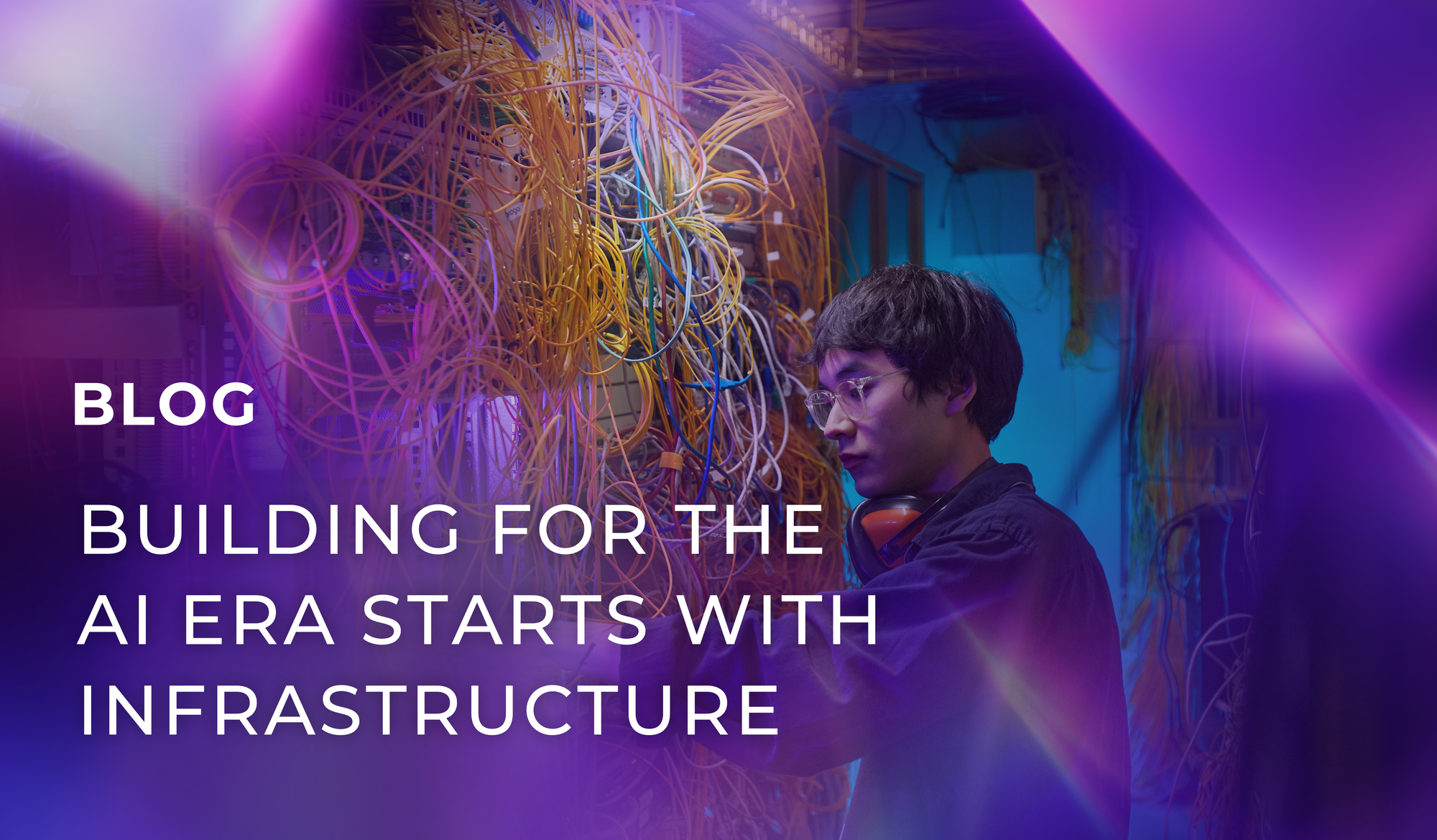
Julian Tan (Director of Corporate Strategy, BT Group) has spent his career working across telecoms, media, technology, and sports – industries built around connectivity, audiences, and attention.
We caught up with him before he heads to Riyadh for LEAP 2026, to ask him about the infrastructure challenges hidden beneath the AI boom – and the lessons tech companies can learn from sport.
“There are three things I think we are still underestimating with AI. First is the importance of sovereignty and control. AI is one of the most strategic and significant tech breakthroughs of our time and yet most companies and countries don’t have strong enough control of the critical layers that underpin it – chips, platforms, data, etc."
“Secondly, we take secure, resilient connectivity for granted, even though it’s the very backbone that enables AI. As AI scales, the need for network capacity, network security and network resilience becomes ever more important, yet people tend to assume connectivity ‘just works’ without recognising the value and investment behind it."
“Thirdly, I think we are underestimating how quickly the operating model for compute might evolve. With the development of more efficient models, more powerful chips and the advancements in quantum computing, we might be in a world where compute becomes extremely distributed at the edge and possibly is run on personal devices vis-à-vis the mega-data centres we are seeing today.”
“I think sports is one of the most relentlessly fan-first industries. In sport, the fan is front and centre – they’re loud, visible and central to every commercial decision. Tech companies don’t always have that same level of discipline. They’re more likely to start with the product or capability rather than the customer, and this is a limitation that I think tech companies can learn from sports to drive enduring customer engagement and loyalty."
“I also think sport understands the fan journey as a true ‘funnel’ and knows that it needs to partner and collaborate with all parts of the ecosystem (broadcasters, teams, leagues, sponsors etc.) to bring a fan or customer down the funnel and increase their avidity."
“Sometimes I observe tech companies seeing themselves in their own position in the value chain and the ‘winner takes all’ mindset can get in the way of building partnerships that actually grow the market.”
“I believe that when you’re driving innovation, it is not just about the thinking; the more important part is the execution. Anyone can have a good idea – but executing it brilliantly is hard. And when you’re in an established business, there’s a perception that you have to move slowly."
“There is a saying that goes: ‘If you want to go fast, go alone. If you want to go far, go together.’ But I think there’s a caveat to that saying. I actually think that together, you can go far AND fast if you have a unifying strategy that everyone genuinely buys into. This is my first lesson about driving innovation in large companies – you need a unifying and clear strategy.
“The second thing is that innovation is a team sport. You need diverse perspectives in the room when you’re pushing the boundaries, because that’s what ensures you’re making decisions on truly new thinking with full context and not overlooking something critical."
“And my third lesson is you must enable trust and autonomy. You want people to feel empowered to move quickly, but with enough shared context that they won’t break the systems the business relies on every day."
“When you get alignment, diversity of thought, and trust working together, that’s when innovation actually lands.”
“It would be this: your success depends on the support of other people. Inspire others to excel and in doing so, you will elevate yourself and your organisation.”
Thanks to Julian Tan at BT Group. Meet the next generation of leaders at LEAP 2026.
Discover how LEAP Rocket Fuel winner Daleela grew to 400,000 users, completed 8,000 consultations and expanded women's healthcare across the region.
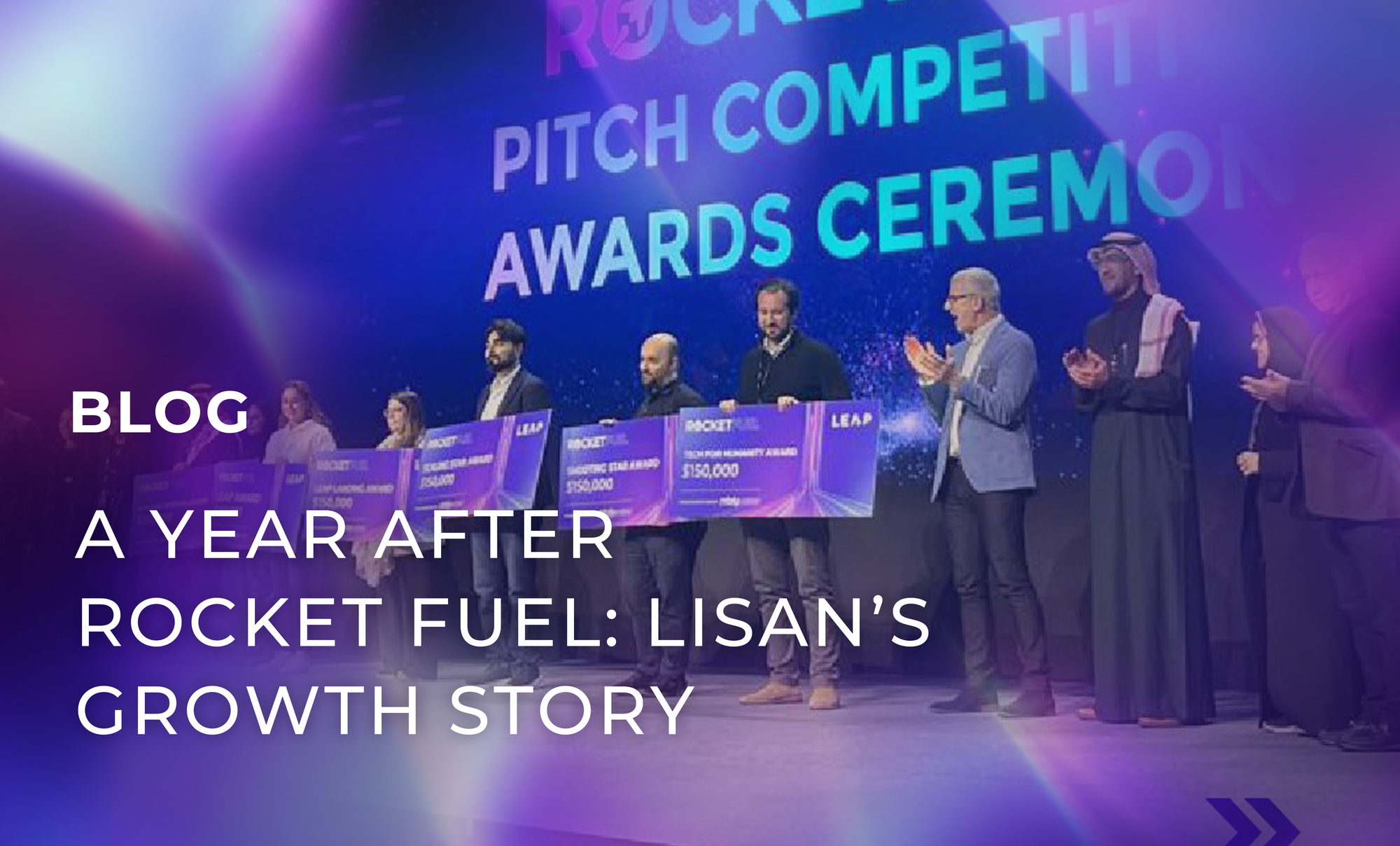
Discover how Rocket Fuel winner Lisan grew to $2.6 million ARR, secured government customers and scaled Arabic enterprise AI one year after LEAP 2025.
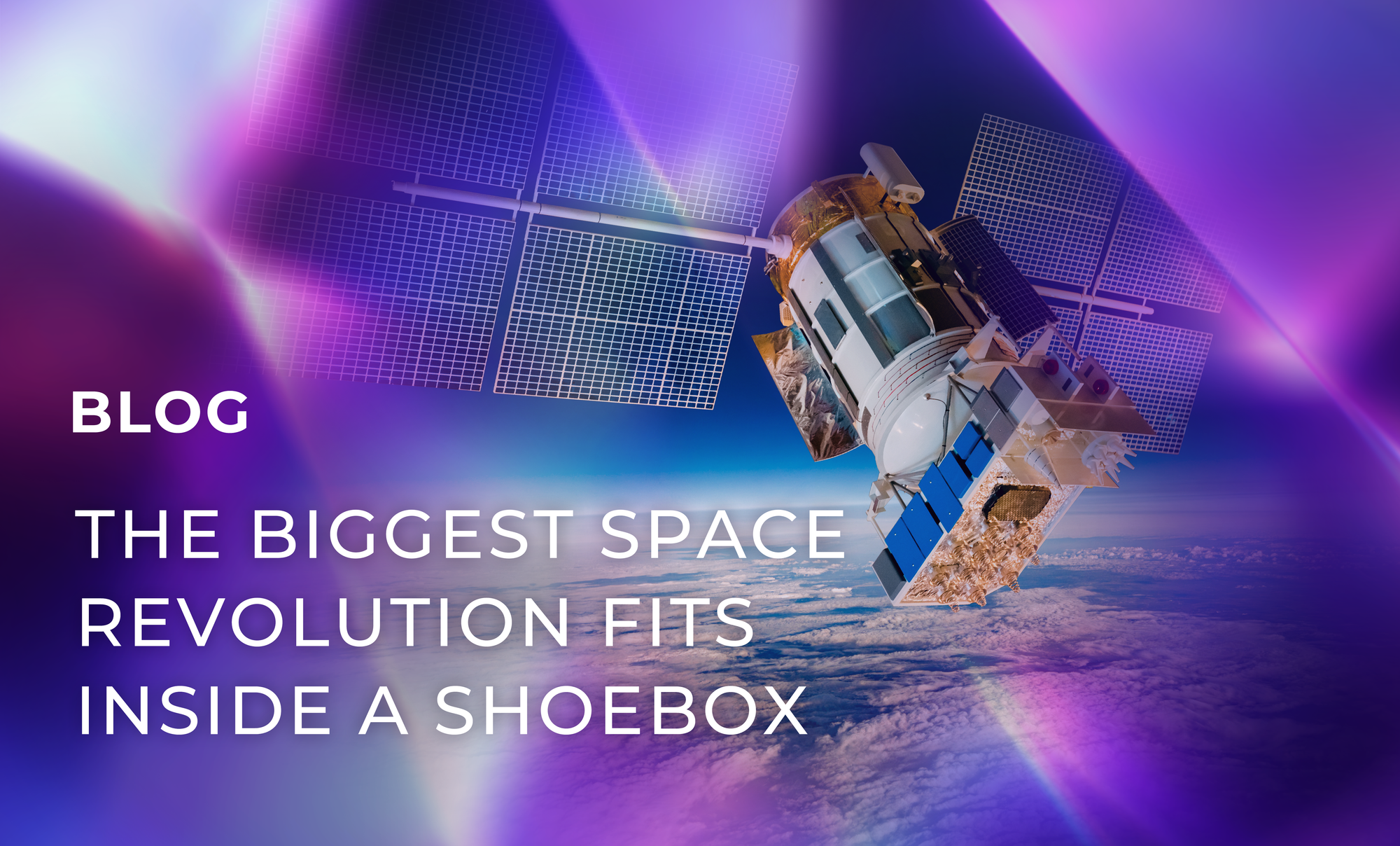
Discover how CubeSats are transforming space technology. From NASA's climate mission to maritime monitoring, these tiny satellites are making a big impact on science and innovation.
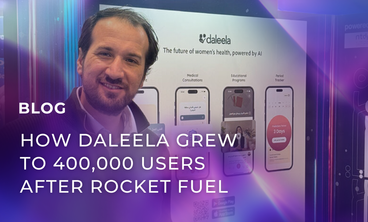
Discover how LEAP Rocket Fuel winner Daleela grew to 400,000 users, completed 8,000 consultations and expanded women's healthcare across the region.
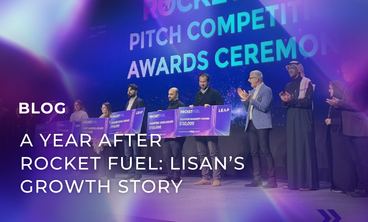
Discover how Rocket Fuel winner Lisan grew to $2.6 million ARR, secured government customers and scaled Arabic enterprise AI one year after LEAP 2025.
Discover how CubeSats are transforming space technology. From NASA's climate mission to maritime monitoring, these tiny satellites are making a big impact on science and innovation.