

When is synthetic data more useful than the real thing?
Discover what synthetic data is, why organisations are using it to train AI, and how it could help solve privacy, bias and data scarcity challenges.

We want to talk about ocean tech. Because the ocean (vast and still largely mysterious) is more than a backdrop to human life and global industry.
A new class of technologies is changing perceptions of the ocean; making it more legible, and more integrated into how economies think about climate. What was once the least instrumented system on the planet is becoming a site of active deployment across sensing, biology, and energy.
For investors and policymakers, this is important. Ocean tech deserves more attention – and we’ve collected three strong case studies to show you why.
The first change is visibility.
According to the World Meteorological Organisation, the ocean absorbs about 90% of the excess heat trapped by greenhouse gases. But ocean observations have historically been uneven, and expensive to maintain at scale.
That constraint is starting to lift.
In 2024, NOAA deployed a fleet of 12 autonomous saildrones across the Atlantic, Caribbean, and Gulf of Mexico. These uncrewed surface vehicles remained at sea for extended periods, measuring heat exchange, storm dynamics, and (perhaps most important), surface carbon flux. Over the course of the mission, they delivered:
This kind of persistent, real-time data opens up new possibilities – from more accurate storm forecasting to better climate modelling.
For regions like the Middle East, where the Red Sea and Arabian Gulf are already experiencing warming pressures, autonomous monitoring could strengthen regional marine intelligence and climate resilience.
The second change is biological.
Seaweed, long associated with coastal food systems, is being re-evaluated as a climate-linked industrial input – one that sits at the intersection of agriculture, materials, and emissions reduction.
According to the World Bank, emerging seaweed markets could generate an additional $11.8 billion by 2030, with biostimulants, animal feed additives, and pet food identified as the strongest short-term markets, together projected to reach $4.4 billion.
One of the most compelling developments sits in livestock emissions.
A 2024 commercial feedlot study found that supplementing cattle diets with red seaweed (Asparagopsis) reduced methane emissions by 51.7%, while also increasing weight gain.
And a separate dairy study showed a consistent reduction in methane output as seaweed dosage increased, with low levels of bromoform transfer into milk well below safety thresholds.
This positions seaweed less as a speculative carbon sink, and more as a practical emissions lever within existing food systems.
For countries like Saudi Arabia, seaweed cultivation offers a coastal production model that can sit next to broader food security and aquaculture strategies – particularly along the Red Sea.
There are still open questions. Large-scale carbon removal via seaweed remains scientifically and commercially uncertain, with monitoring and verification systems still evolving. But as a climate-linked input – reducing emissions, replacing materials, and expanding aquaculture – it’s already gaining traction.
The third change is energetic.
Marine renewables, particularly tidal stream energy, are beginning to move beyond demonstration projects into structured deployment pipelines.
The UK offers one of the clearest signs of this transition. There is now a 122 MW pipeline of tidal stream projects expected by 2029, with 140 MW contracted through government auctions in the country.
At the technology level, Orbital Marine Power’s O2 turbine has been exporting electricity to the grid since 2021. In recent testing, it generated 8.63 MWh from a single six-hour tidal cycle, illustrating both scale and consistency.
That consistency is the defining feature. Tidal flows are predictable, which allows them to complement more variable renewable sources.
For Saudi Arabia and the wider region, marine energy could become a longer-term option within a broader push to diversify energy systems and develop coastal infrastructure. The constraints remain clear. Costs are still high, and deployment is at an earlier stage than wind or solar. But the trajectory is becoming easier to read.
Together, these developments show that tech communities are working to make the ocean more measurable and cultivable, and create more power-generating opportunities. Each layer (data, biology, energy) reinforces the others:
It’s a system coming into focus.
If you’re an investor, this represents new opportunities at the intersection of climate, infrastructure, and sovereign strategy.
If you’re a policymaker, it aligns with coastal development, environmental monitoring, and long-term resilience.
And for Saudi Arabia, with extensive coastlines and ambitious development agendas, it represents an opportunity to shape how the ocean is integrated into the next phase of economic growth.
The ocean has always been vast. But gradually, we’re beginning to see it more clearly – and understand how we can work with it for a better future.
Join us at LEAP from 31 August – 3 September 2026 to hear directly from the people shaping the future of technology.
Discover what synthetic data is, why organisations are using it to train AI, and how it could help solve privacy, bias and data scarcity challenges.
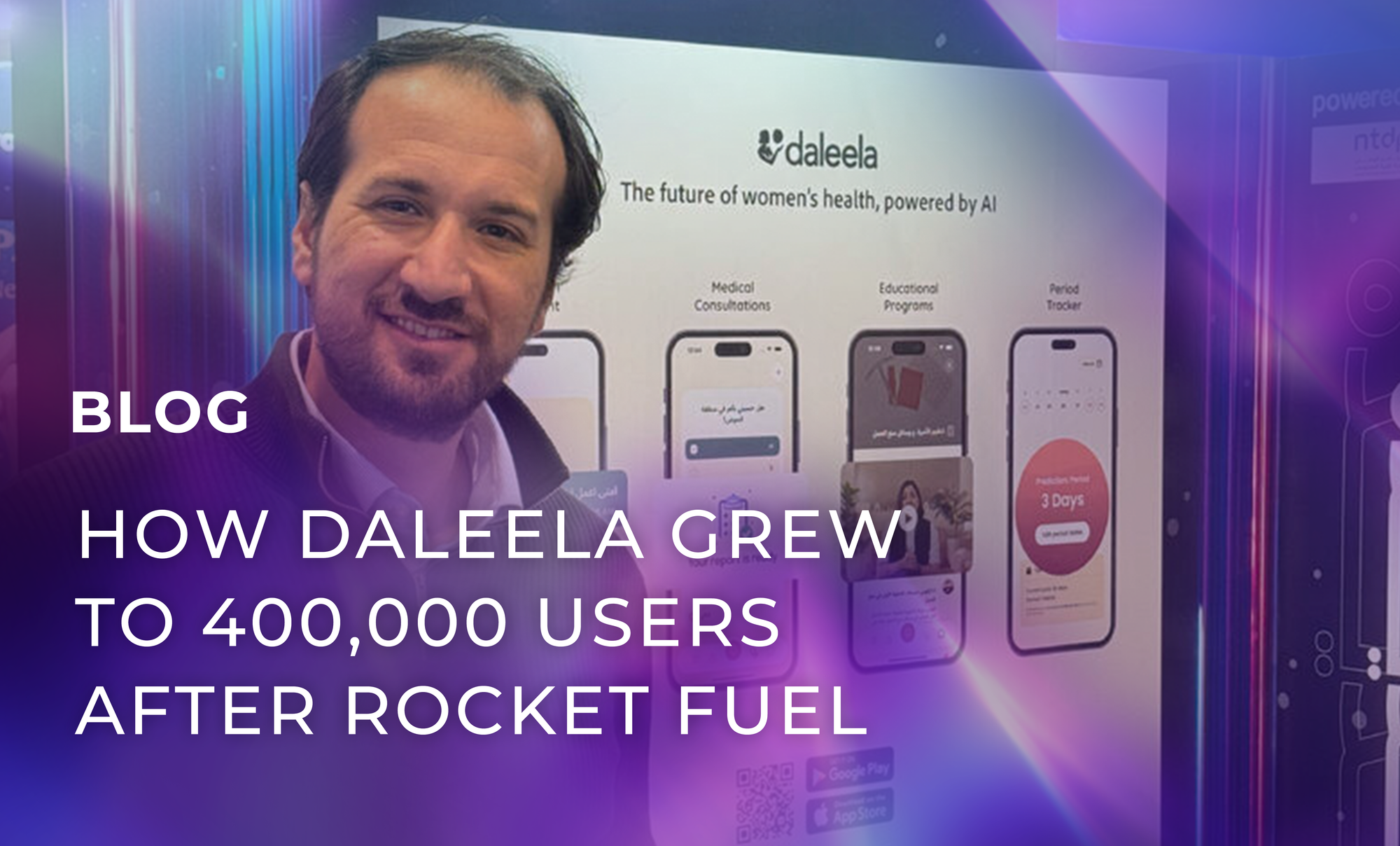
Discover how LEAP Rocket Fuel winner Daleela grew to 400,000 users, completed 8,000 consultations and expanded women's healthcare across the region.
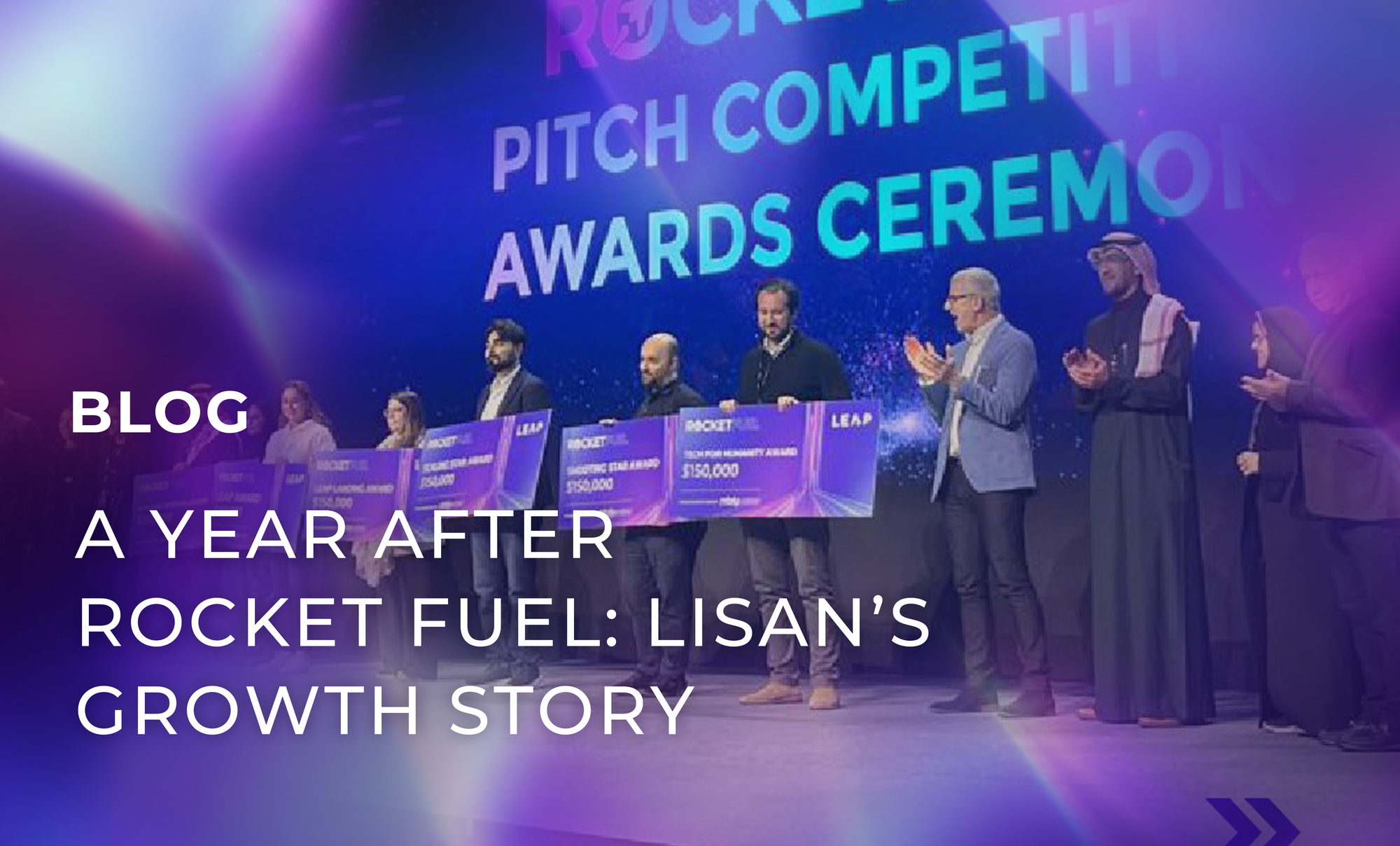
Discover how Rocket Fuel winner Lisan grew to $2.6 million ARR, secured government customers and scaled Arabic enterprise AI one year after LEAP 2025.

Discover what synthetic data is, why organisations are using it to train AI, and how it could help solve privacy, bias and data scarcity challenges.
Discover how LEAP Rocket Fuel winner Daleela grew to 400,000 users, completed 8,000 consultations and expanded women's healthcare across the region.
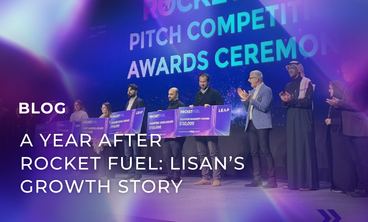
Discover how Rocket Fuel winner Lisan grew to $2.6 million ARR, secured government customers and scaled Arabic enterprise AI one year after LEAP 2025.