

When is synthetic data more useful than the real thing?
Discover what synthetic data is, why organisations are using it to train AI, and how it could help solve privacy, bias and data scarcity challenges.


Climate tech investors are asking harder questions today. They’re more focused on timelines and capital intensity, and they’re looking for the technologies that can actually scale.
Rewind just a few years, and capital was pouring in. The assumption was that if the problem was large enough, the market would eventually reward credible attempts to solve it.
According to a recent report from BloombergNEF, global energy transition investment reached a record USD $2.3 trillion in 2025. That shows there’s still momentum, but it’s slower than before: growth has eased from 27% in 2021 to 8.1% in 2025.
And the capital isn’t spreading evenly. The biggest pools are flowing into the parts of the transition that already look buildable at scale: electrified transport ($893 billion), renewable energy ($690 billion) and power grids ($483 billion).
The International Energy Agency’s latest review gives us the other half of the picture. Global energy demand grew 2.2% in 2024, while electricity demand rose 4.3% – driven by heat, electrification, and digitalisation.
Clean energy is responding. In 2024, 80% of the increase in global electricity generation came from renewables and nuclear. Together they supplied 40% of total generation for the first time, with renewables alone at 32%.
But energy-related CO2 emissions still rose 0.8% in 2024. Clean technologies are avoiding 2.6 Gt CO2 annually, which is substantial – but the gap between progress and pace is still significant.
That tension shows up in startup funding too.
BloombergNEF reports that climate-tech equity finance rose to $77.3 billion in 2025, up 53% year on year. But venture funding for startups still fell for the third consecutive year.
Data from Dealroom adds some useful context here:
That’s a steep reset, even if 2024 still sits above pre-2021 levels. It’s clear evidence that this isn’t a broad ‘fund the category’ moment anymore – climate tech today has to move through a much more disciplined filtering process.
Dealroom’s sector split is revealing. Climate tech remains one of the world’s most-funded startup categories, but funding is concentrated around energy and transport, with transportation at $19 billion in 2024 and energy close behind. Together they still account for more than half of climate-tech VC funding.
There are also more specific pockets of conviction. Dealroom notes strong recent growth in hydrogen, methane, and nuclear fusion, while mobility funding overall has fallen dramatically from its 2021 peak. This suggests refinement – investors haven’t backed away from climate tech, but they’re honing in on more specific niches.
A key concern for climate tech investors in 2026 is whether a company can survive the conditions of the market it’s entering.
Can it integrate into real systems? Can it handle long capital cycles? Can it unlock larger pools of follow-on financing, including debt, project finance or government support?
The market isn’t rewarding climate ambition on its own. It’s rewarding climate ambition that proves it can carry weight.
Join us at LEAP from 31 August – 3 September 2026 to hear directly from the people building the future of climate tech.
Discover what synthetic data is, why organisations are using it to train AI, and how it could help solve privacy, bias and data scarcity challenges.
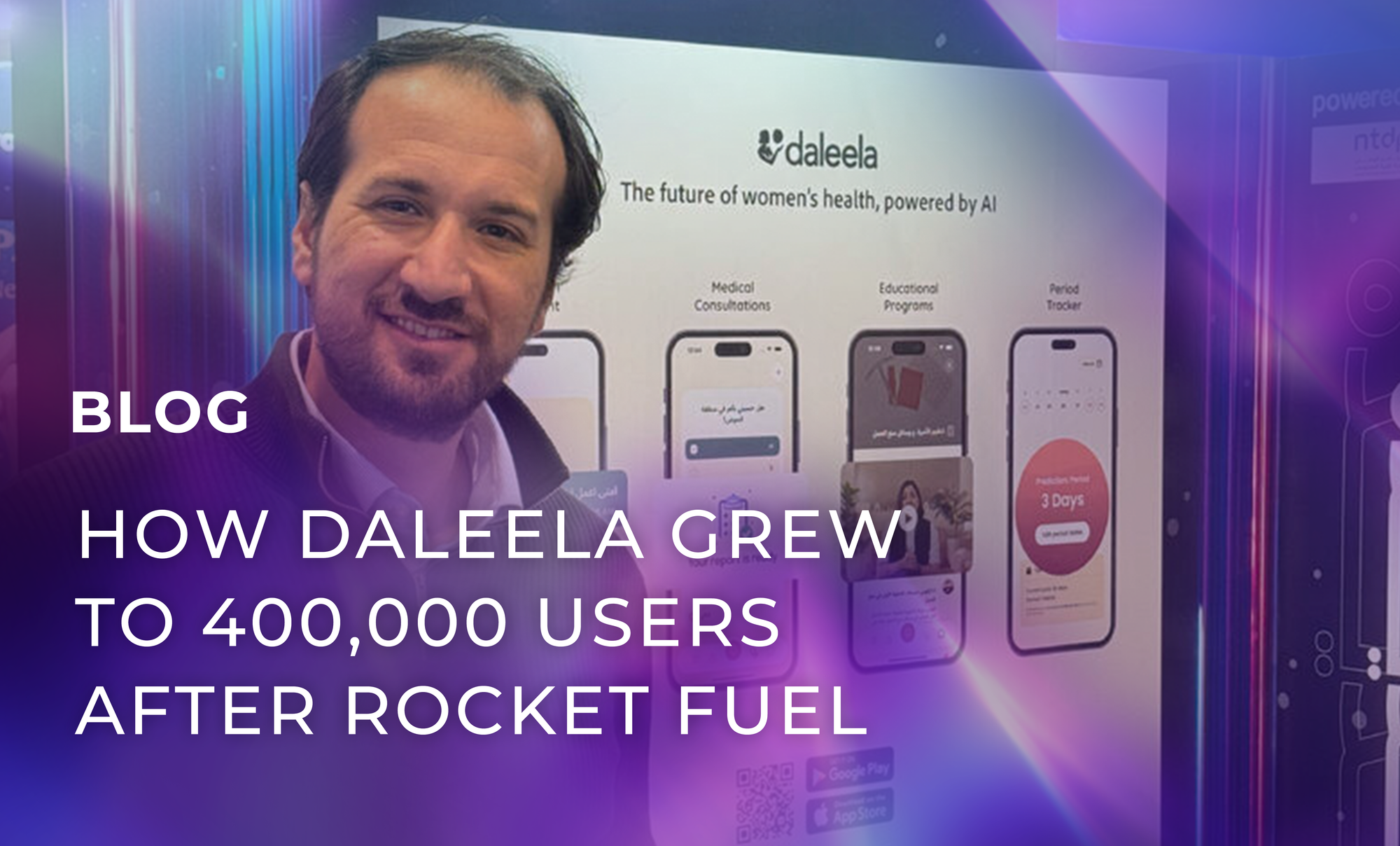
Discover how LEAP Rocket Fuel winner Daleela grew to 400,000 users, completed 8,000 consultations and expanded women's healthcare across the region.
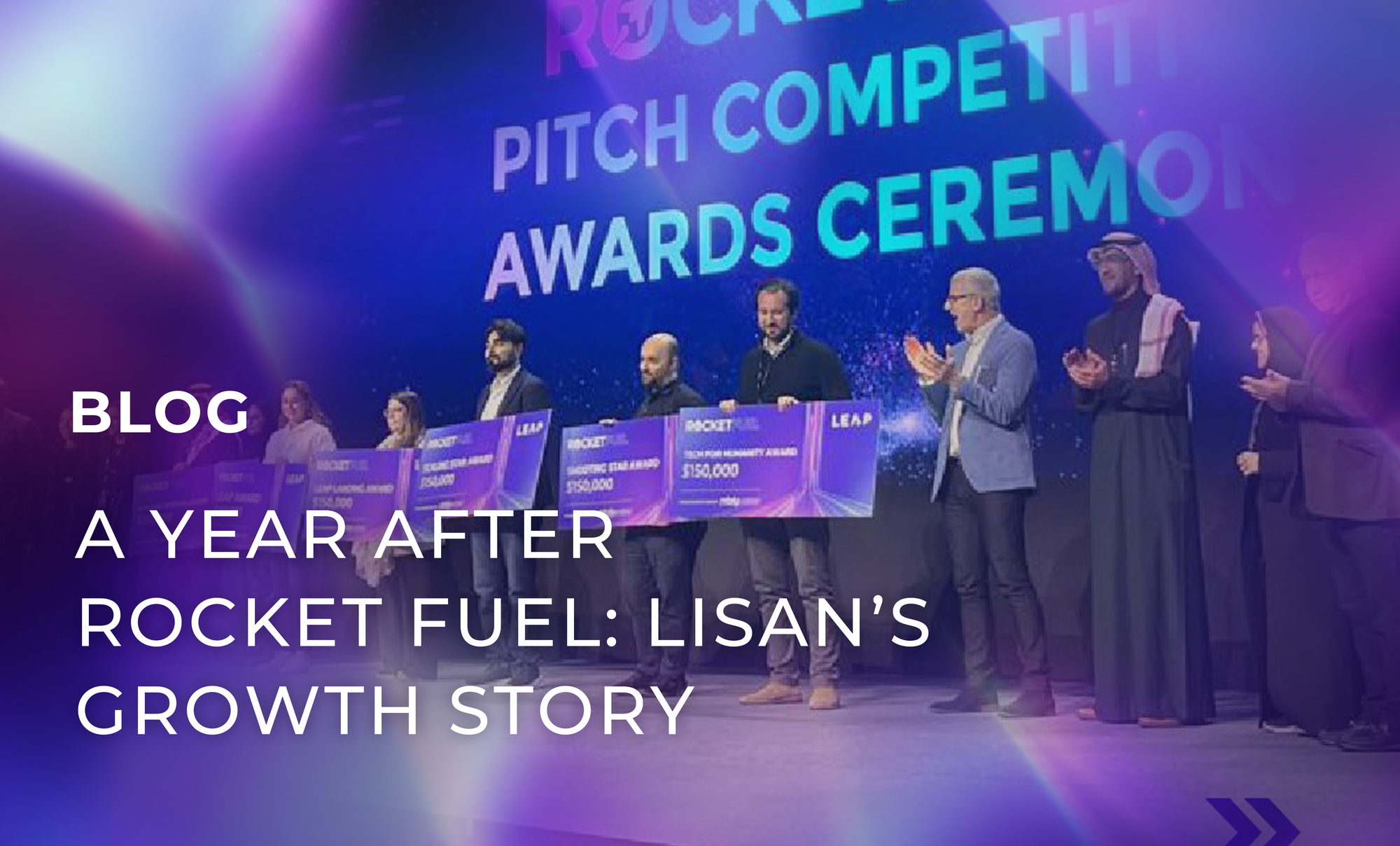
Discover how Rocket Fuel winner Lisan grew to $2.6 million ARR, secured government customers and scaled Arabic enterprise AI one year after LEAP 2025.

Discover what synthetic data is, why organisations are using it to train AI, and how it could help solve privacy, bias and data scarcity challenges.
Discover how LEAP Rocket Fuel winner Daleela grew to 400,000 users, completed 8,000 consultations and expanded women's healthcare across the region.
Discover how Rocket Fuel winner Lisan grew to $2.6 million ARR, secured government customers and scaled Arabic enterprise AI one year after LEAP 2025.