

When is synthetic data more useful than the real thing?
Discover what synthetic data is, why organisations are using it to train AI, and how it could help solve privacy, bias and data scarcity challenges.

Professor Jonathan Reichental (Founder at Human Future) has spent years at the intersection of technology and urban life – from leading smart city initiatives in Palo Alto to advising governments globally. As cities accelerate towards a more intelligent future, his perspective cuts through the noise: innovation only works if it improves how people actually live.
We asked Reichental about what it really takes to build cities that are not just smart, but human – and what leaders need to understand as change speeds up.
“I've thought about this quite a bit, both from my time leading smart city work in Palo Alto and from what I've seen across cities everywhere.
“The core insight is this: you have to start with people, not technology. Technology is the tool, but the outcome you're chasing is quality of life. That means you listen first. You understand what actually matters to residents – their frustrations, their needs, what makes them feel safer or more connected, or more able to do what they want to do in their city.
“Then you design solutions around that. If you lead with the tech, you lose people. They may see it as a surveillance project or another government efficiency play that doesn't benefit them. But if you say, ‘Here's how this makes your commute faster’, or ‘Here's how this helps your neighbourhood stay safer’, suddenly they're with you.
“The second thing is you can't treat this as an IT project. That was a mistake I saw a lot of cities make. You put an IT director in charge, and everyone thinks it's a technical problem to be solved behind closed doors. It's not. It's a human transformation. You need leadership that understands how to change how city services work, how to engage communities, how to think about outcomes. The technology supports that, but it doesn't lead it.
“And third, start small. Pick a real problem people care about. Run a pilot. Show results. Build trust, then expand. Don't try to transform everything at once.”
“It starts with the understanding that it's not about making cities smart, it's about making cities better for the people who live in them.
“The practical reality is this: you design around actual human needs, not technology capabilities. In Palo Alto, we didn't ask what sensors can do – we asked what problems residents are actually facing. If it was traffic congestion, we looked at how technology could ease that. If it was making it easier to get permits or pay bills, we went digital. If it was connecting neighbours who felt isolated, we thought about how the city could create spaces where people naturally intersect.
“Technology can optimise traffic and energy all day, but if a city leaves people isolated, you've failed.”
“Autonomous vehicles are the big one. Most people think it's just about cars driving themselves, but it's really about redesigning the entire urban landscape. When you don't need parking lots, traffic signals, or a grid built for human drivers, cities can reclaim that space for people, parks, housing. The shift from ownership to on-demand electric vehicles will happen faster than most anticipate, and cities that plan for it now will have a massive advantage.
“Then there's the Internet of Things and AI working together. Connected sensors measuring air quality, water systems, energy demand, traffic flow in real time.
“And the third piece is the digitalisation of how government works. Moving everything online, making it seamless on a smartphone the way the private sector does it. People shouldn't have to visit city offices to fill out paperwork. That's just friction we can eliminate today.
“The thread running through all of this is data and intelligence informing better decisions. But the real measure of whether these innovations are valuable is whether they improve quality of life for the people living in the city. That's where the focus has to stay.”
“By 2040, a lot will remain the same, but many areas will evolve.
“Start with movement. When autonomous vehicles become the norm, you reclaim enormous amounts of urban space that today is locked up in supporting vehicles. Cities like Paris and New York are already experimenting with this – reclaiming streets from vehicles and giving them back to people. By 2040, that's not an experiment, it's the reality. You'll see far more green space, more pedestrian areas, more room for gardens and gathering places. The rhythm of moving through a city becomes slower, more human.
“The way we work will be changing significantly. Most of that will be because of AI, automation, and robotics. We will work differently and what we do will be different. It’s quite hard to predict what the popular jobs will look like because many of them don’t exist today.
“And energy. By 2040, solar is cheap and ubiquitous. Cities run largely on renewable power. The air is cleaner. That changes how people feel about being outside, about their health, about the future itself.”
“Be bolder and move faster.”
Thanks to Professor Jonathan Reichental at Human Future. Join us at LEAP from 31 August-3 September 2026 – you’ll meet the policymakers, founders, and technologists reimagining cities at scale.
Discover what synthetic data is, why organisations are using it to train AI, and how it could help solve privacy, bias and data scarcity challenges.
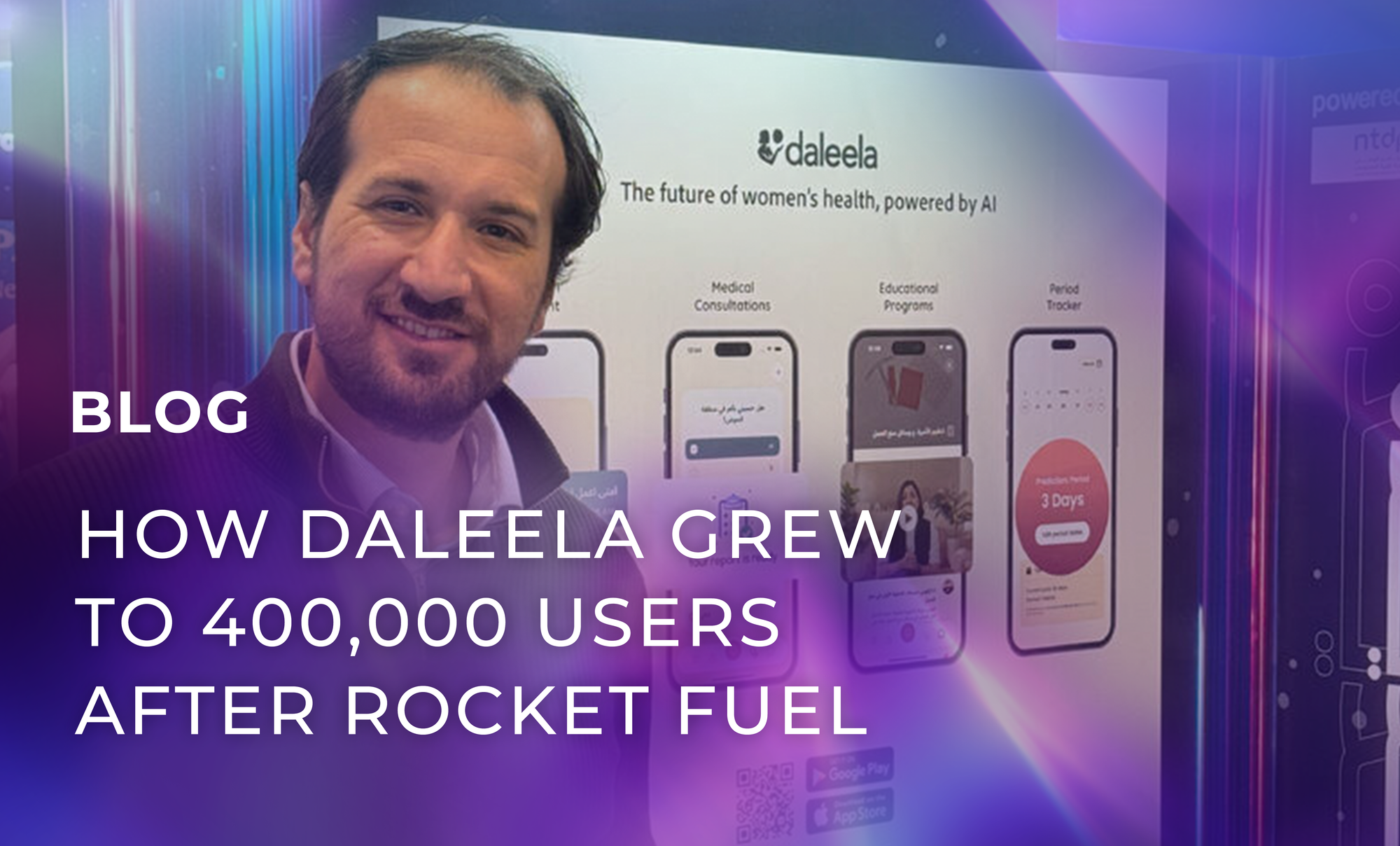
Discover how LEAP Rocket Fuel winner Daleela grew to 400,000 users, completed 8,000 consultations and expanded women's healthcare across the region.
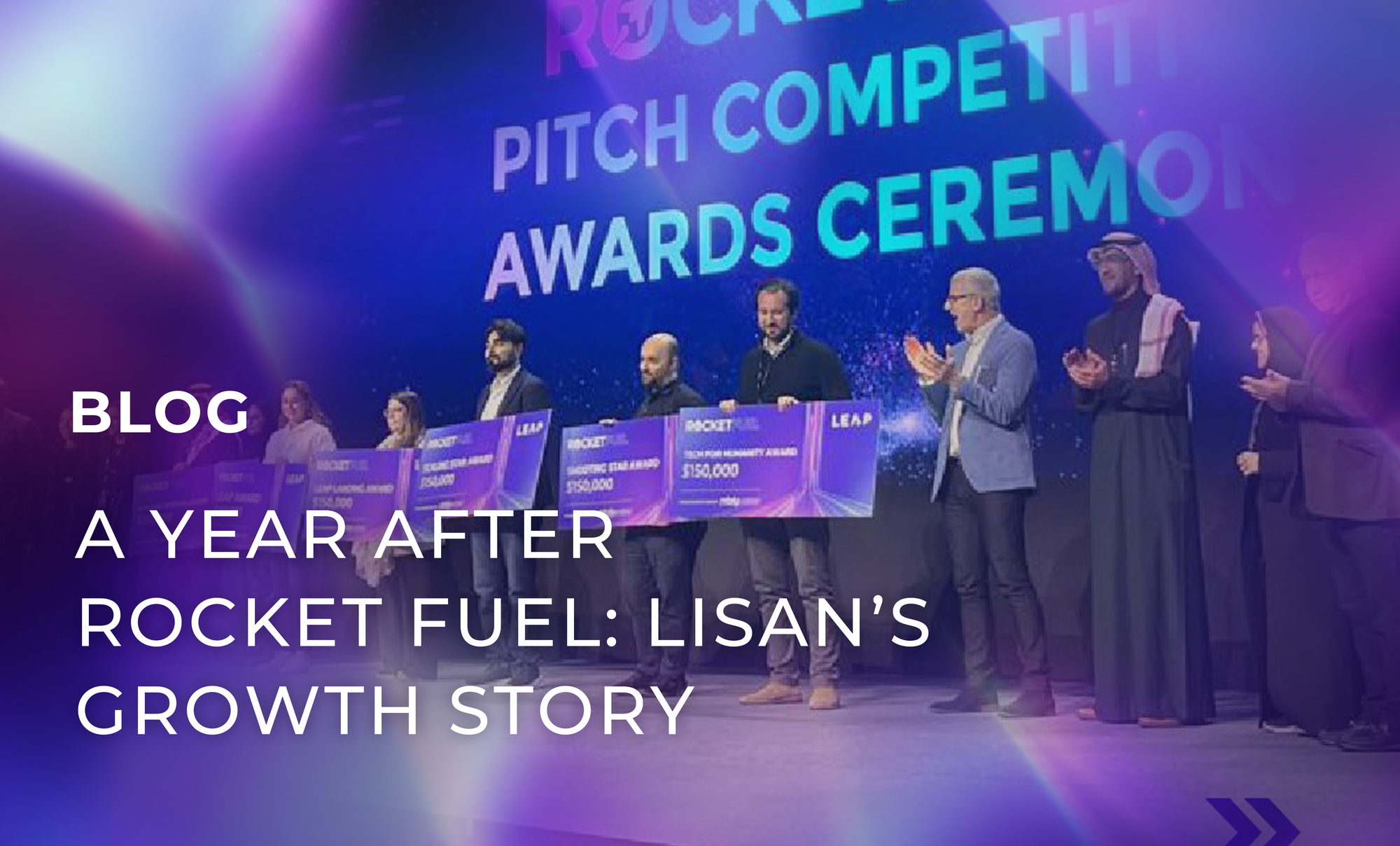
Discover how Rocket Fuel winner Lisan grew to $2.6 million ARR, secured government customers and scaled Arabic enterprise AI one year after LEAP 2025.

Discover what synthetic data is, why organisations are using it to train AI, and how it could help solve privacy, bias and data scarcity challenges.
Discover how LEAP Rocket Fuel winner Daleela grew to 400,000 users, completed 8,000 consultations and expanded women's healthcare across the region.
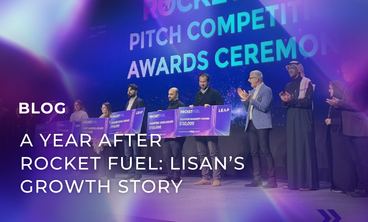
Discover how Rocket Fuel winner Lisan grew to $2.6 million ARR, secured government customers and scaled Arabic enterprise AI one year after LEAP 2025.