
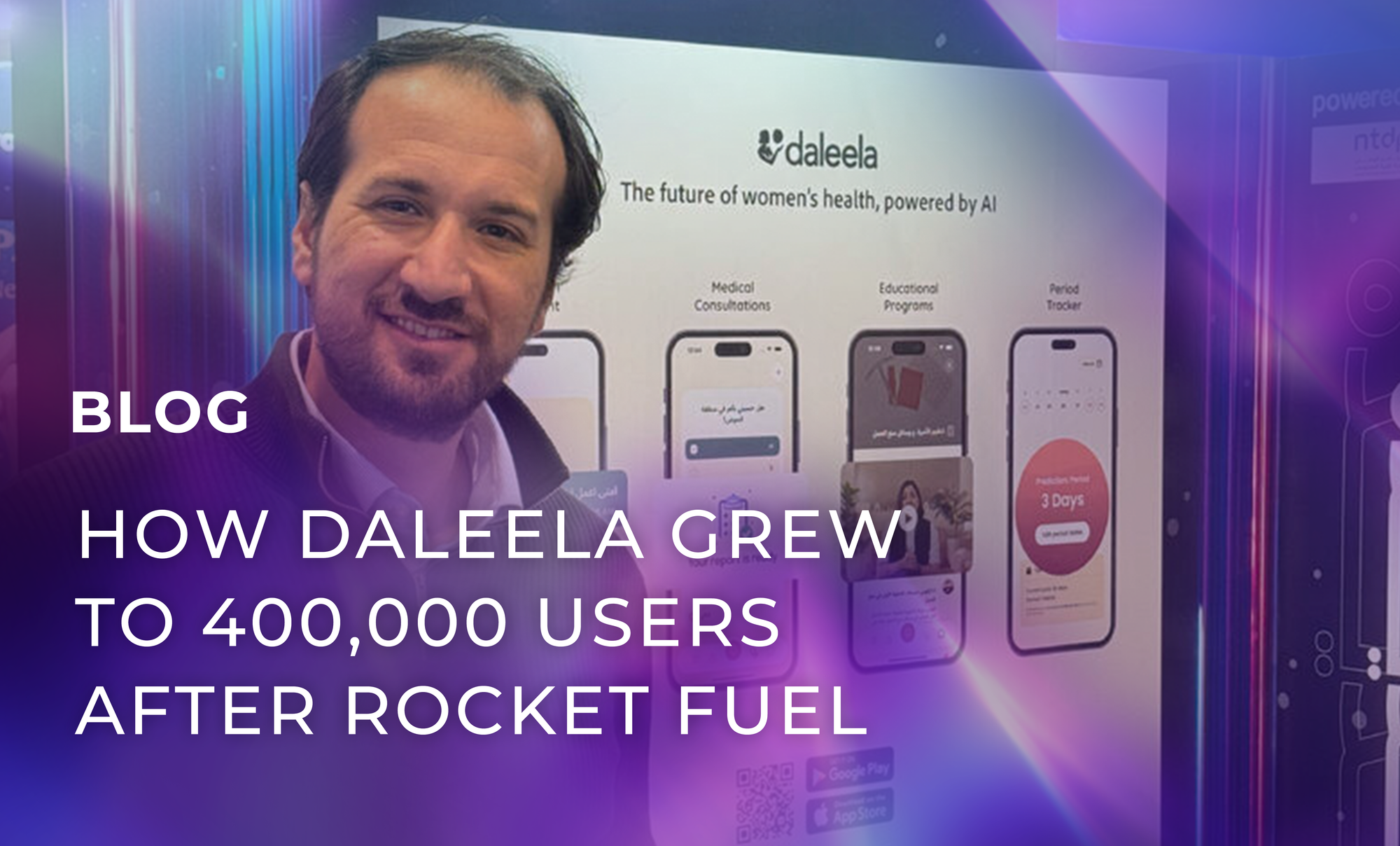
How Daleela grew to 400,000 users after Rocket Fue
Discover how LEAP Rocket Fuel winner Daleela grew to 400,000 users, completed 8,000 consultations and expanded women's healthcare across the region.

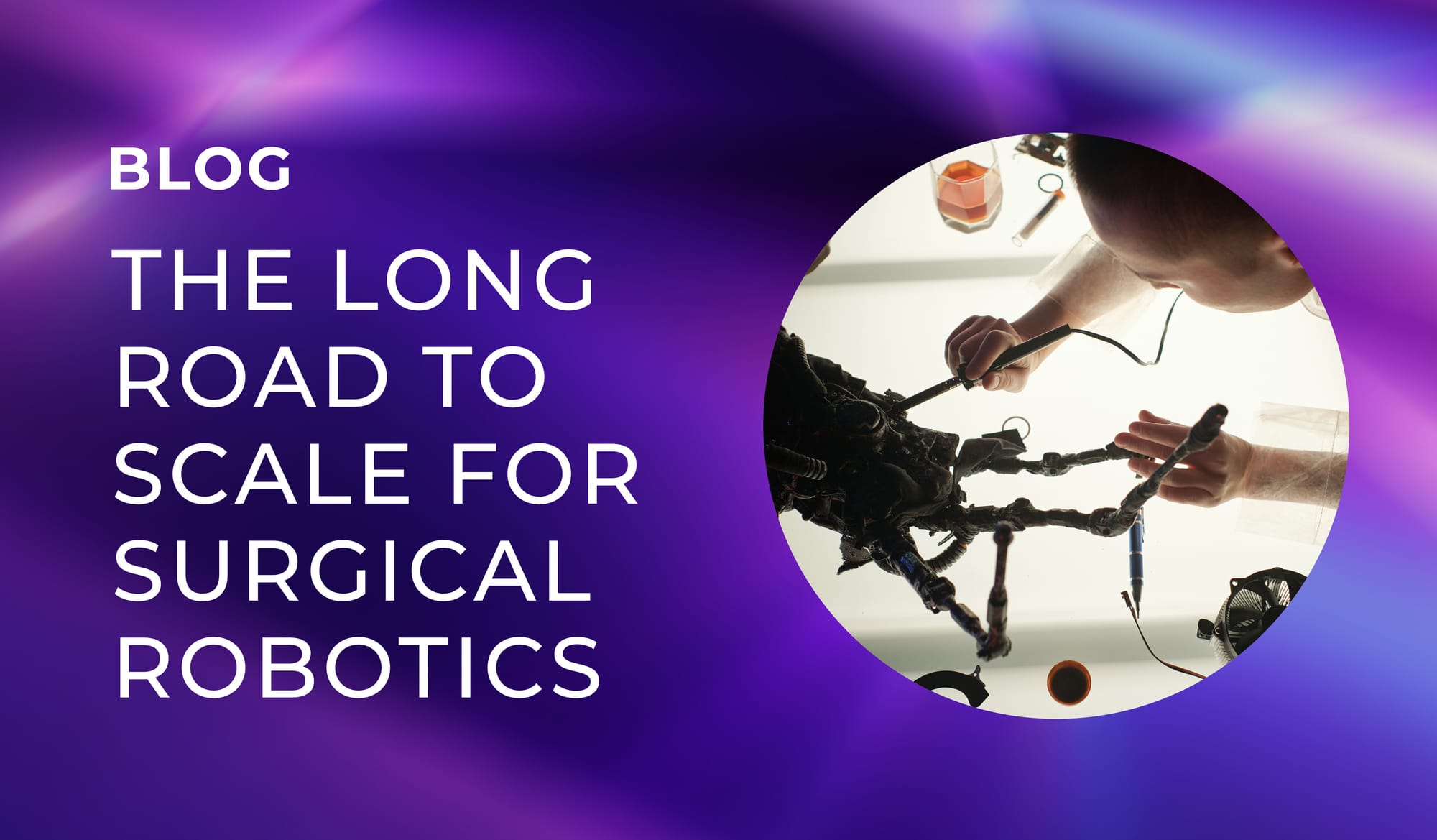
In surgery, precision is everything. Every moment carries a serious consequence, and new techniques have to be proven before they’re used widely.
That’s why surgical robotics offers one of the most powerful examples of how technology earns its place – gradually, rigorously, and at scale.
Let’s use a recent UK example to look at this in more detail.
In April 2025, the National Institute for Health and Care Excellence (NICE) recommended 11 robotic surgery systems for use in National Health Service (NHS) England.
These systems are being introduced under an Early Value Assessment programme, allowing adoption to proceed while further evidence is collected over a three-year period.
And in a nutshell, this is how healthcare moves: carefully, with validation systems built into deployment. Early on, patient groups highlighted the benefits, including:
Two months later, NHS England set out a national ambition: robotic systems supporting 500,000 operations a year by 2035, up from 70,000 in 2023/24.
The expectation is that 9 in 10 keyhole surgeries could involve robotic assistance within ten years, compared with 1 in 5 today.
Robotic surgery is positioned as part of a broader plan to increase capacity while enabling faster recovery and shorter hospital stays.
To understand how this becomes a durable market, it helps to look at the category leader. Intuitive Surgical reported more than 3.2 million procedures performed on its systems in 2025, including over 3.1 million using da Vinci systems.
Its installed base now exceeds 12,100 systems globally, including more than 11,100 da Vinci systems.
In 2025, Intuitive generated USD $10.06 billion in total revenue.
Its model is built around ongoing usage:
Recurring revenue (including instruments, accessories, service and operating leases) represents the majority of total revenue.
Three lessons stand out.
Ultimately, surgical robotics moves at the pace of trust. Each procedure builds confidence, and each system adds capacity.
Over time, the technology becomes part of the operating theatre’s foundation – integrated into how care is delivered. But that can’t happen overnight; there are too many stakeholders, and too much real-life risk, to move faster than trust allows.
At LEAP, healthcare and robotics converge in real time. Join LP/GP Nexus sessions to compare sector strategies, meet healthtech founders in the Investor Lounge, and connect through the Matchmaking Zone to explore where precision technology can go next.
Discover how LEAP Rocket Fuel winner Daleela grew to 400,000 users, completed 8,000 consultations and expanded women's healthcare across the region.
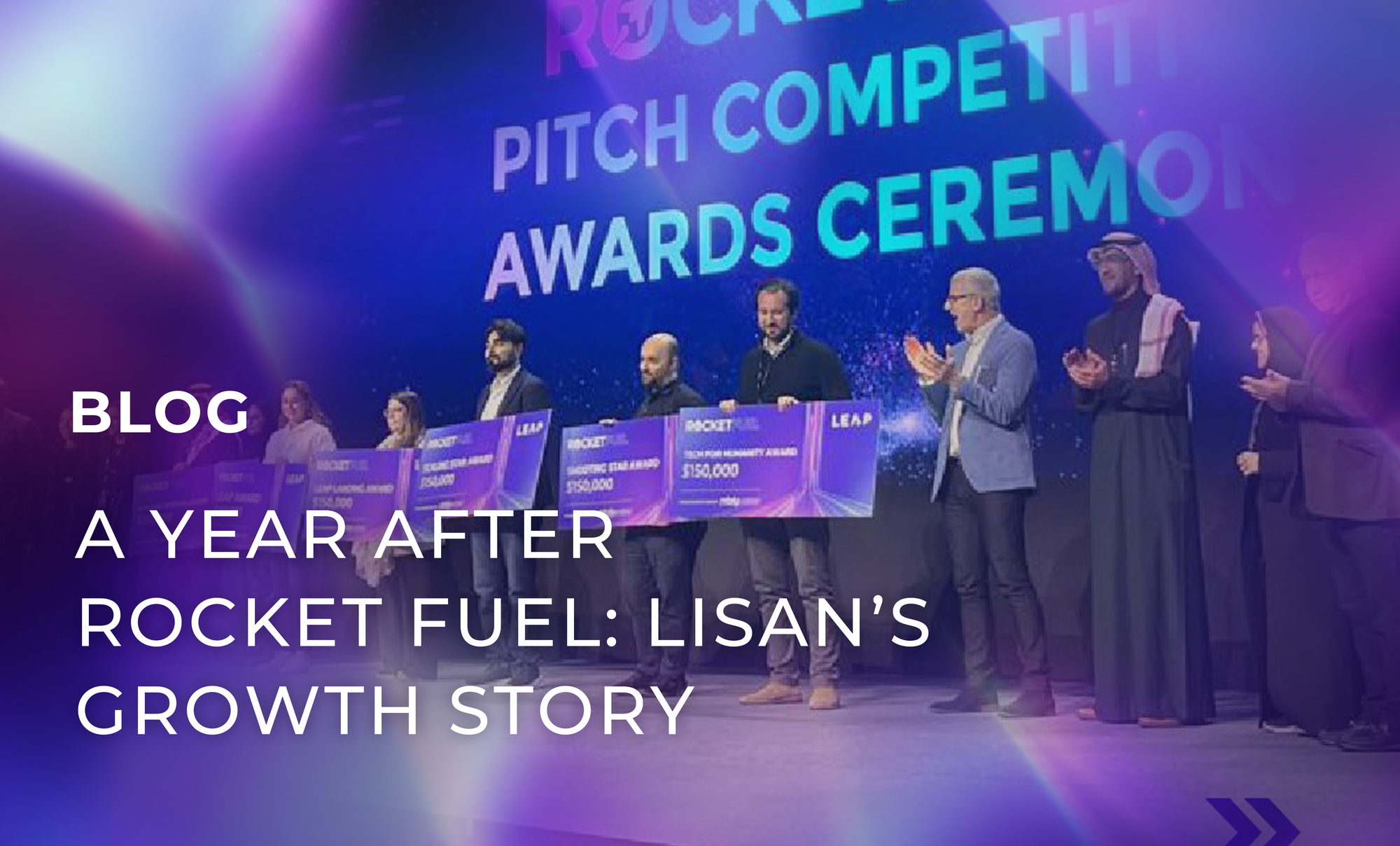
Discover how Rocket Fuel winner Lisan grew to $2.6 million ARR, secured government customers and scaled Arabic enterprise AI one year after LEAP 2025.
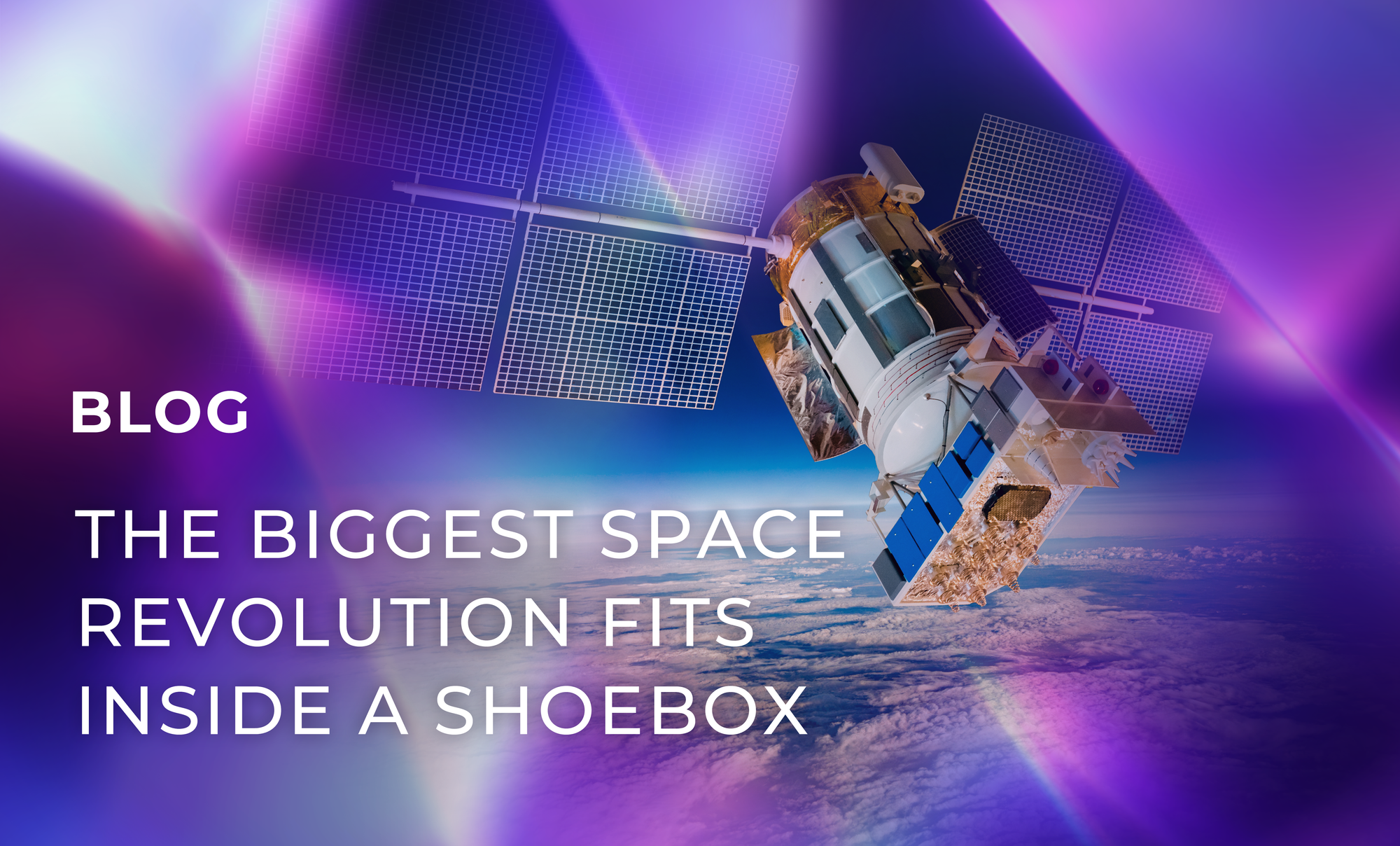
Discover how CubeSats are transforming space technology. From NASA's climate mission to maritime monitoring, these tiny satellites are making a big impact on science and innovation.
Discover how LEAP Rocket Fuel winner Daleela grew to 400,000 users, completed 8,000 consultations and expanded women's healthcare across the region.
Discover how Rocket Fuel winner Lisan grew to $2.6 million ARR, secured government customers and scaled Arabic enterprise AI one year after LEAP 2025.
Discover how CubeSats are transforming space technology. From NASA's climate mission to maritime monitoring, these tiny satellites are making a big impact on science and innovation.