

When is synthetic data more useful than the real thing?
Discover what synthetic data is, why organisations are using it to train AI, and how it could help solve privacy, bias and data scarcity challenges.

We just read KPMG’s new report on Saudi Arabia’s technology landscape. It reveals that 71% of organisations in the nation describe themselves as ‘fast followers’, while only 23% identify as innovators or early adopters.
This makes sense to us – it reflects the confidence that runs through Saudi Arabia’s tech sector. As Margarete Schramboek (Board Member at Aramco Digital; Former Minister of Economy and Digital, Austria) told us in an interview, “Riyadh is a worldwide hotspot. It is the place to be, especially for a young digital tech generation.”
And that confidence doesn’t come from loud product launches or hype cycles, but from steady execution.
That might sound cautious. But in reality, it’s one of the country’s strongest competitive advantages. The global tech industry tends to celebrate speed above almost everything else – move fast, launch first, break things if you have to. Yet the organisations now scaling artificial intelligence most effectively are the ones with the operational discipline to deploy technology across large, complex systems once the value is proven – not necessarily the ones who experimented earliest.
The report shows that 76% of Saudi organisations expect AI to be deployed at scale and deliver measurable return on investment within the next 12 months – the highest figure recorded in the survey. Already, 46% report AI in enterprise production across multiple use cases.
These figures are stronger than in other markets. Around the world, many organisations are still circling around proof-of-concept culture: small pilots, isolated experiments, innovation labs disconnected from the wider business. Saudi Arabian organisations appear to be moving into a different phase entirely, where AI is becoming infrastructure.
Part of the reason is structural. The report highlights unusually high levels of organisational alignment and governance. For example, 93% of respondents centralise decisions around new technologies, while 99% follow formal processes for evaluating emerging tools.
Governance is often framed as bureaucracy – but here, it behaves more like architecture.
When large organisations standardise decision-making and invest in common digital foundations, technology can move through the enterprise faster. Less fragmentation means less friction.
The country’s investment patterns reinforce the point. Nearly four in ten Saudi organisations invest between USD $100 million and $249.9 million annually in digital technologies.
More importantly, the report notes that none of the Saudi respondents reported zero or negative returns from those investments – and that’s unusual. It suggests the conversation here can now move away from whether or not to invest in tech, and towards how to scale it responsibly and repeatedly.
There’s another misconception worth challenging too: that fast followers are inherently risk-averse.
Schramboek said:
“Saudi Arabia is the place to be. Companies that want to do business here must be fast and innovative. Seize the moment, be brave and professional.”
Essentially, it’s the opposite of risk-averse. And this is supported by the KPMG report: 51% of Saudi Arabia’s technology leaders say they’re willing to take bold technology risks (that’s significantly higher than the global average). But these are governed risks – built on mature cybersecurity, cloud infrastructure, enterprise data systems, and increasingly centralised operating models.
So Saudi Arabia isn’t avoiding disruption. Instead, it’s attempting to industrialise it.
That approach will become more and more important as AI moves from experimentation into operational reality. The next phase of AI will not simply reward invention. It will reward coordination: the ability to integrate models, data, infrastructure, governance, talent, and business processes at scale.
This is where the country’s fast-follower posture starts to look like strategic timing. The organisations that succeed in the next decade might not be the ones chasing every emerging trend. They may be the ones that are ready to absorb proven technologies quickly, align around them decisively, and execute with consistency across entire systems.
Meet the founders, operators, and investors shaping Saudi Arabia’s next phase of technology growth at LEAP 2026. Get your pass now.
Discover what synthetic data is, why organisations are using it to train AI, and how it could help solve privacy, bias and data scarcity challenges.
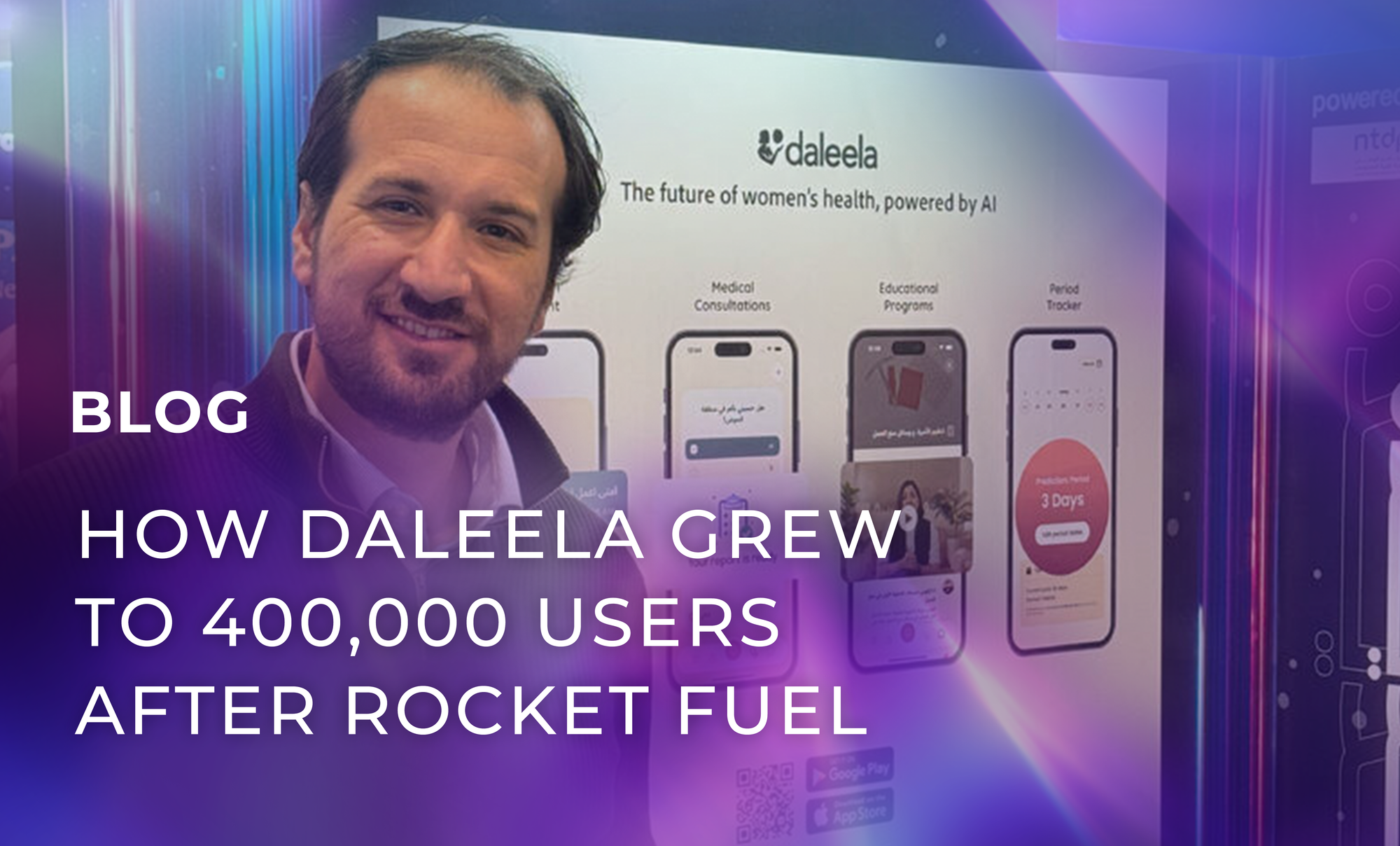
Discover how LEAP Rocket Fuel winner Daleela grew to 400,000 users, completed 8,000 consultations and expanded women's healthcare across the region.
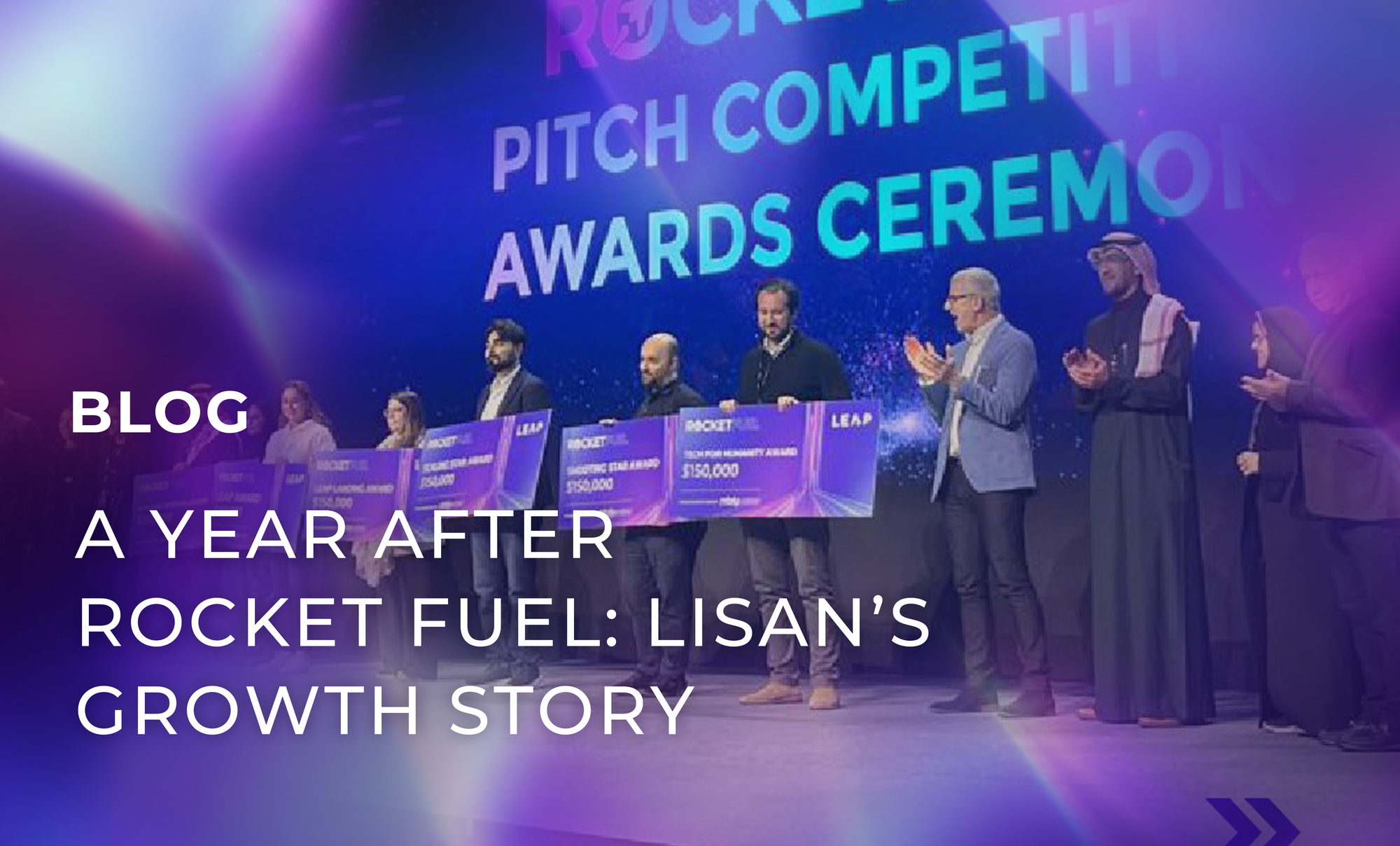
Discover how Rocket Fuel winner Lisan grew to $2.6 million ARR, secured government customers and scaled Arabic enterprise AI one year after LEAP 2025.

Discover what synthetic data is, why organisations are using it to train AI, and how it could help solve privacy, bias and data scarcity challenges.
Discover how LEAP Rocket Fuel winner Daleela grew to 400,000 users, completed 8,000 consultations and expanded women's healthcare across the region.
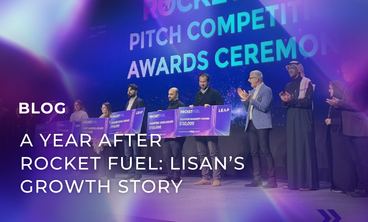
Discover how Rocket Fuel winner Lisan grew to $2.6 million ARR, secured government customers and scaled Arabic enterprise AI one year after LEAP 2025.