

When is synthetic data more useful than the real thing?
Discover what synthetic data is, why organisations are using it to train AI, and how it could help solve privacy, bias and data scarcity challenges.

“Once we started working with one major organisation, it made conversations with others significantly easier.”
This observation from Sohaib Chohan (Managing Director, Telo AI) speaks to a reality experienced by founders across the tech industry. Enterprise growth might look like a pipeline on paper (with leads entering at one end and deals emerging at the other), but in practice it behaves more like a network – where each relationship strengthens the next.
For Telo AI, LEAP 2025 provided the point of entry into that network. Conversations with senior decision-makers led to early engagements, and those early engagements created proof – which is far more valuable than revenue alone.
In enterprise environments, decisions don’t come down to a single person. Buying groups include technical teams, commercial leaders, and operational stakeholders, each bringing their own perspective and risk tolerance. For a vendor to progress from early conversation to a signed deal, there has to be alignment across that group.
Recent research reflects this complexity. In its 2025 Buyer Behaviour Report, software firm G2 highlights how buyers increasingly rely on external validation (peer reviews, recommendations, and trusted examples) before engaging directly with vendors.
And Forrester reports that more than half of younger B2B buyers draw on a wide circle of external influencers when making purchasing decisions. Enterprise buying has become a shared process, informed by networks rather than isolated evaluation.
This is where momentum begins to build for your company.
When one organisation adopts a solution and sees results, that experience becomes a reference point for others. Conversations begin with context already in place.
For companies entering new markets, the first enterprise customer carries disproportionate weight. It implies capability, reliability, and relevance in a way no pitch can truly replicate.
Telo AI experienced this directly. Early engagements following LEAP created a foundation that extended beyond individual deals.
Each successful deployment added credibility. Each reference reduced uncertainty. Over time, the effort required to open new conversations began to decrease, while the quality of those conversations improved.
In markets like Saudi Arabia, where relationships and reputation play a central role in business, this effect becomes even more pronounced. Organisations look to peers when evaluating new technologies, especially in areas like AI – where implementation carries both opportunity and risk.
This dynamic creates a compounding effect. A single deployment leads to a case study. That case study supports the next conversation. The next conversation leads to a pilot. Each step reinforces the previous one, creating a chain of validation that extends across organisations.
The process still requires execution, of course – strong delivery, clear outcomes, and responsive teams. But the starting point is different. Instead of beginning from zero with each new prospect, you get to build on existing trust.
For Telo AI, LEAP acted as the catalyst for this cycle. It brought Chohan and his team into direct contact with organisations ready to act, and those early engagements provided the proof needed to move forward at pace.
“LEAP essentially acted as the catalyst that allowed us to enter the ecosystem, and from there, delivery and results drove further growth.”
If enterprise growth behaves like a network, your strategy needs to acknowledge that.
Instead of focusing on volume, you should focus on significance. Securing the right early customers becomes more valuable than pursuing as many as possible – and delivering strong results for those customers becomes the foundation for everything that follows.
Identify organisations whose adoption will carry weight within your target market.
Case studies, pilots, and measurable outcomes create assets that support future conversations.
Each successful engagement should make the next one easier to start.
Every company begins at the same point: without references, without case studies, and without external validation. The first step into an enterprise market always requires effort.
What happens next depends on how that first step is used.
For Telo AI, LEAP 2025 provided access to the right conversations. Those conversations led to initial deployments. And those deployments created a network of trust that continues to expand.
So growth, in this sense, is less about pushing harder on outreach, and more about building a chain of credibility that carries forward.
If you’re looking to enter new markets or accelerate enterprise growth, LEAP brings together the organisations, decision-makers, and opportunities that can set this process in motion.
Be in the room – register to exhibit now.
Discover what synthetic data is, why organisations are using it to train AI, and how it could help solve privacy, bias and data scarcity challenges.
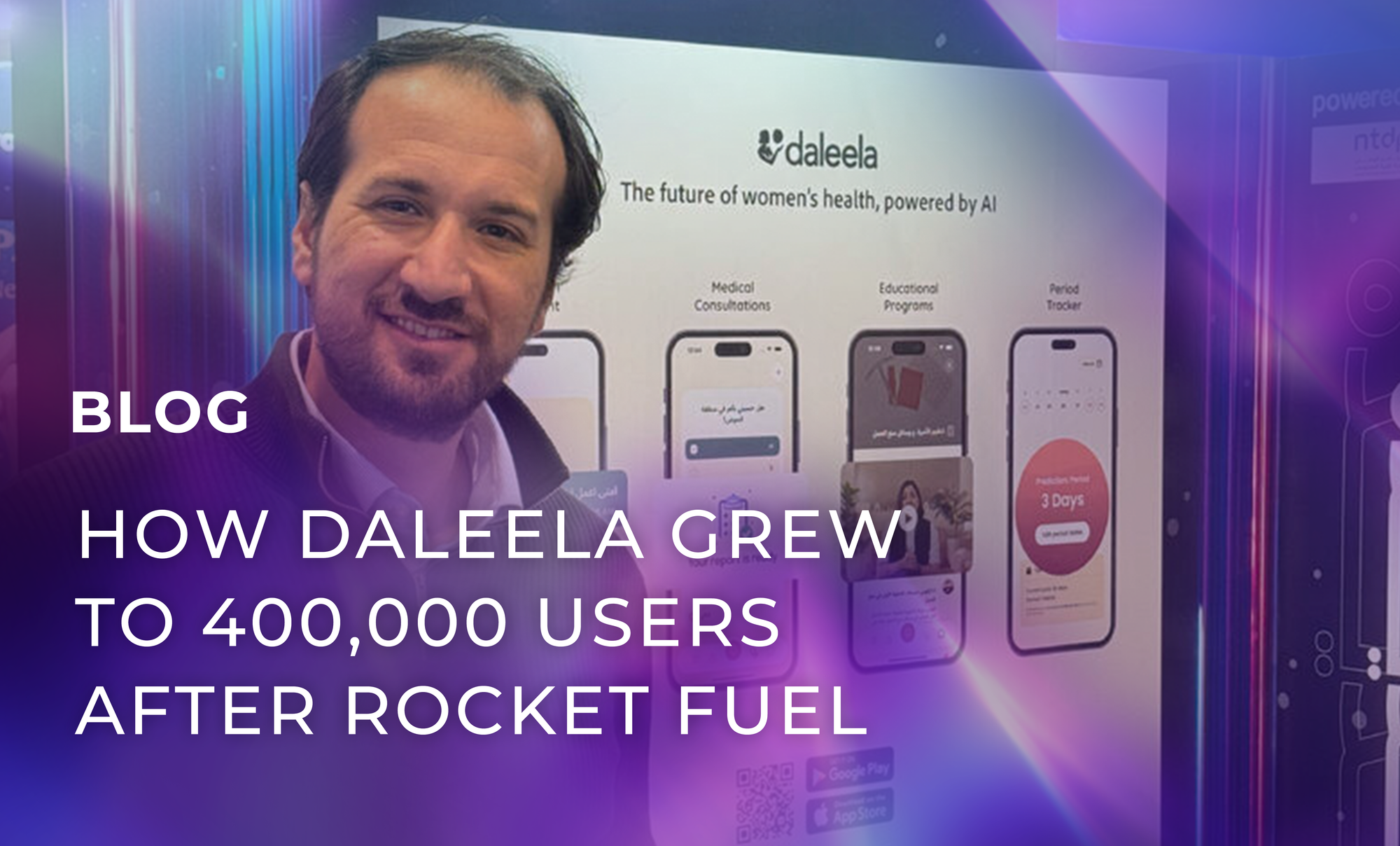
Discover how LEAP Rocket Fuel winner Daleela grew to 400,000 users, completed 8,000 consultations and expanded women's healthcare across the region.
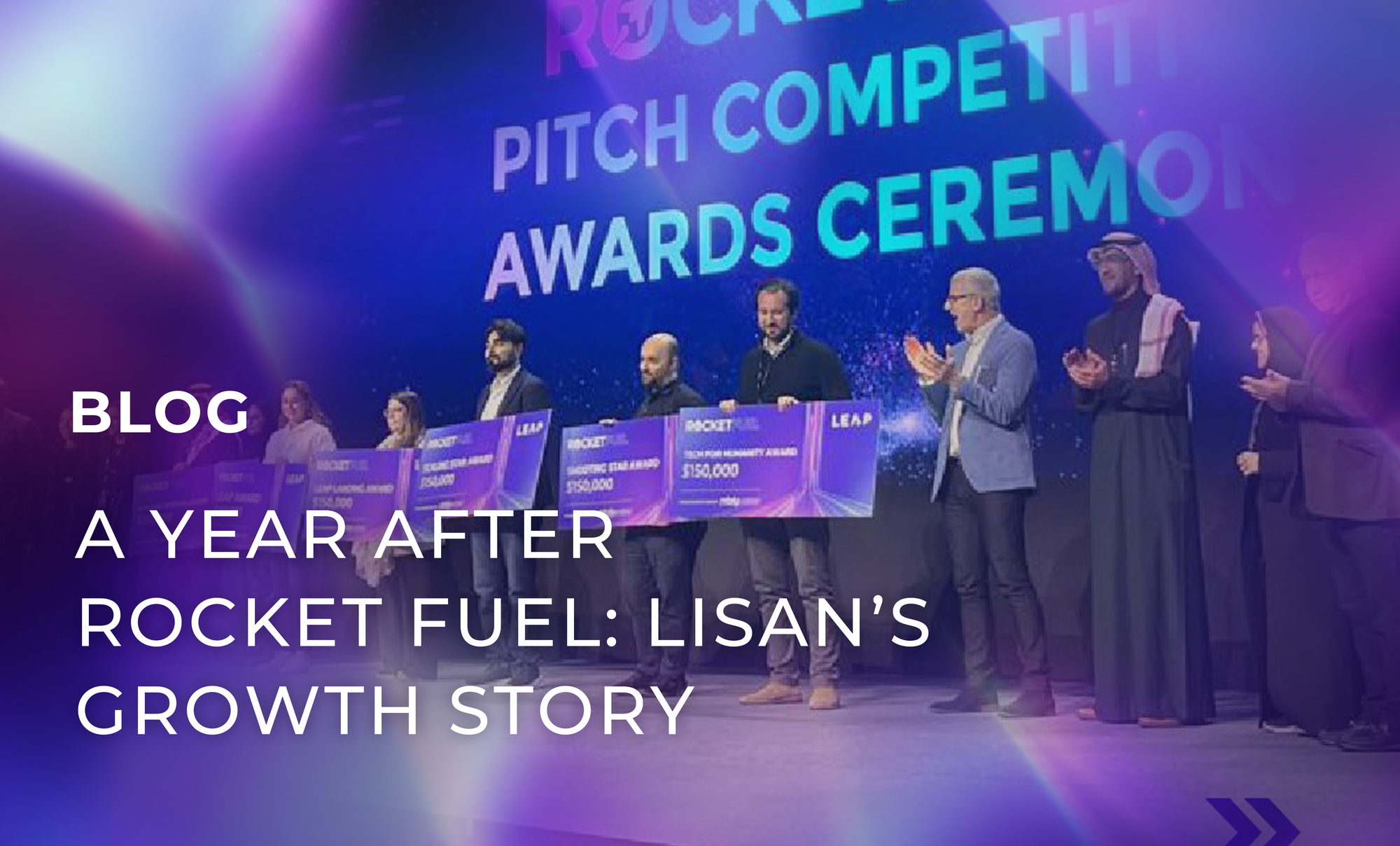
Discover how Rocket Fuel winner Lisan grew to $2.6 million ARR, secured government customers and scaled Arabic enterprise AI one year after LEAP 2025.

Discover what synthetic data is, why organisations are using it to train AI, and how it could help solve privacy, bias and data scarcity challenges.
Discover how LEAP Rocket Fuel winner Daleela grew to 400,000 users, completed 8,000 consultations and expanded women's healthcare across the region.
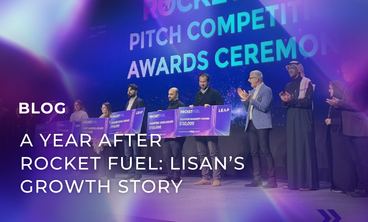
Discover how Rocket Fuel winner Lisan grew to $2.6 million ARR, secured government customers and scaled Arabic enterprise AI one year after LEAP 2025.