
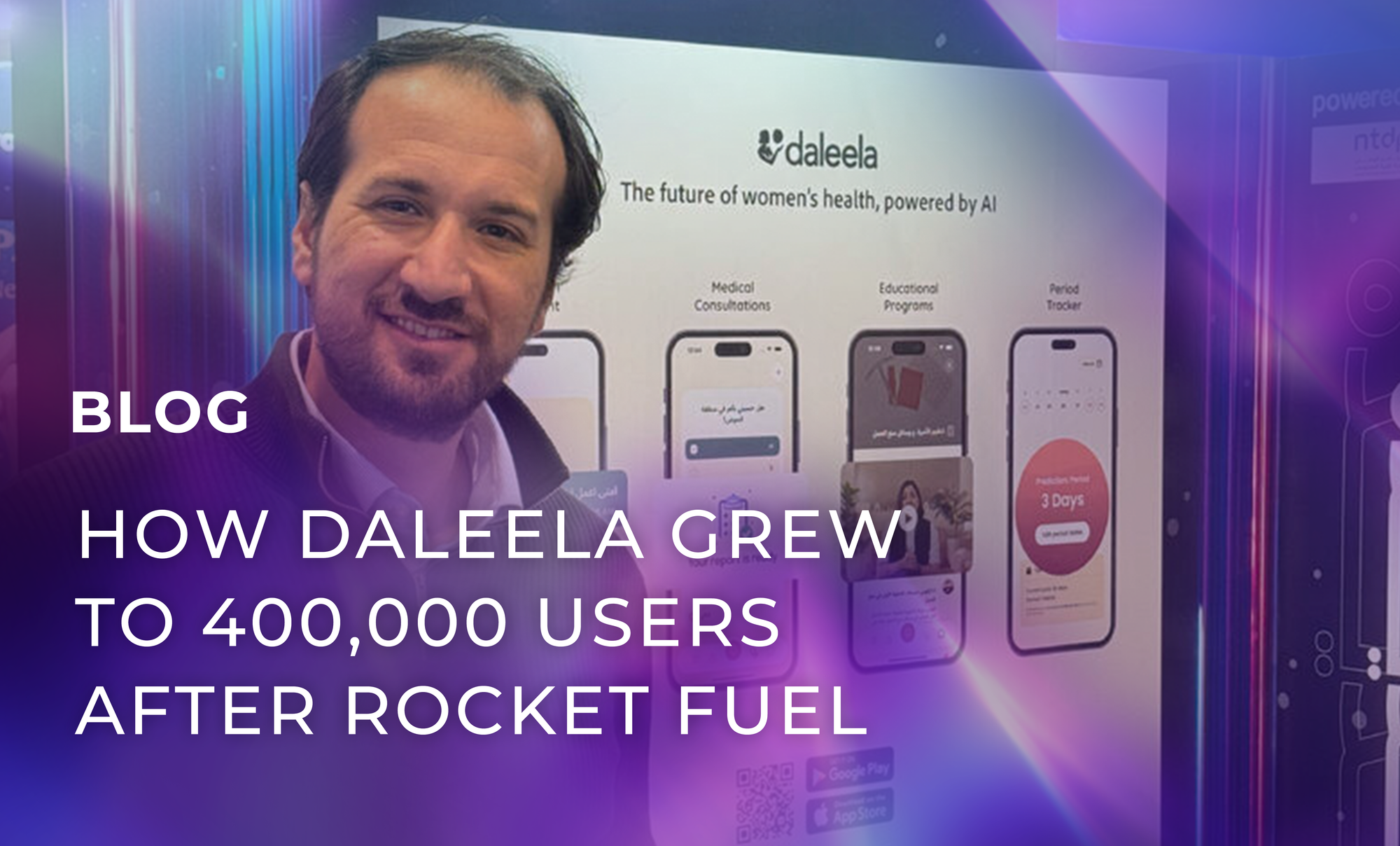
How Daleela grew to 400,000 users after Rocket Fue
Discover how LEAP Rocket Fuel winner Daleela grew to 400,000 users, completed 8,000 consultations and expanded women's healthcare across the region.

Aramco has hit the headlines lately with its latest steps towards sovereign AI capability. And it has reminded us of that particular kind of ambition that only shows up at national scale. Unlike a startup’s sprint, it’s the slow, deliberate laying of foundations – to enable long-term growth.
Behind the news about AI and advanced computing (with Aramco investing in nurturing a local AI industry in Saudi Arabia, and partnering with Microsoft to accelerate industrial AI rollout), there’s a sovereign play to build and control not just the way AI is used, but the infrastructure beneath it.
Models and chips are critical, of course. But the next phase of large-scale AI deployment will rely on nations building end-to-end capability – with energy, compute, and capital. Saudi Arabia is moving early, and Aramco is a major enabler.
Aramco’s push into AI and advanced computing suggests a deliberate expansion beyond hydrocarbons. Far from just a branding exercise, this is a practical reconfiguration of what an energy company can be.
With vast capital reserves, control over energy supply, and access to industrial-scale data, Aramco holds three assets that are critical in the AI era:
Each of them is valuable in isolation – but when you put them all together, they form the backbone of sovereign AI capability.
If you take a big picture view, you can see that Aramco’s strategy aligns tightly with the broader ambitions of Saudi Arabia under Vision 2030: to localise critical technologies and reduce reliance on external providers.
A sovereign AI stack is emerging:
Aramco’s role sits primarily in the first two – but that’s where the real leverage lies. If AI is the engine, energy and compute are the fuel and chassis.
The UAE, China, and the US are all pursuing variations of this model. But Saudi Arabia’s approach stands out for its integration of legacy industrial strength with future-facing tech investment.
If you’re an investor, this means the AI opportunity is no longer confined to software or venture-backed startups. It’s expanding into infrastructure – often backed by sovereign capital with longer time horizons and fewer constraints.
That changes the playing field in three ways:
This transition is happening in the background. While much of the global conversation fixates on model releases and consumer AI tools, the deeper infrastructure is being laid in parallel – often outside the traditional tech hubs.
Aramco’s moves remind us that AI is an industrial lever, not just a software story. And like all industrial revolutions, those who control the underlying resources tend to take the lead.
See firsthand how sovereign capital and frontier AI converge at LEAP 2026. You’ll meet the people building the infrastructure, line up strategic conversations with potential partners, and hear from the next generation of deep tech founders.
We can’t wait to see you there.
31 August – 3 September 2026. Get your ticket now.
Discover how LEAP Rocket Fuel winner Daleela grew to 400,000 users, completed 8,000 consultations and expanded women's healthcare across the region.
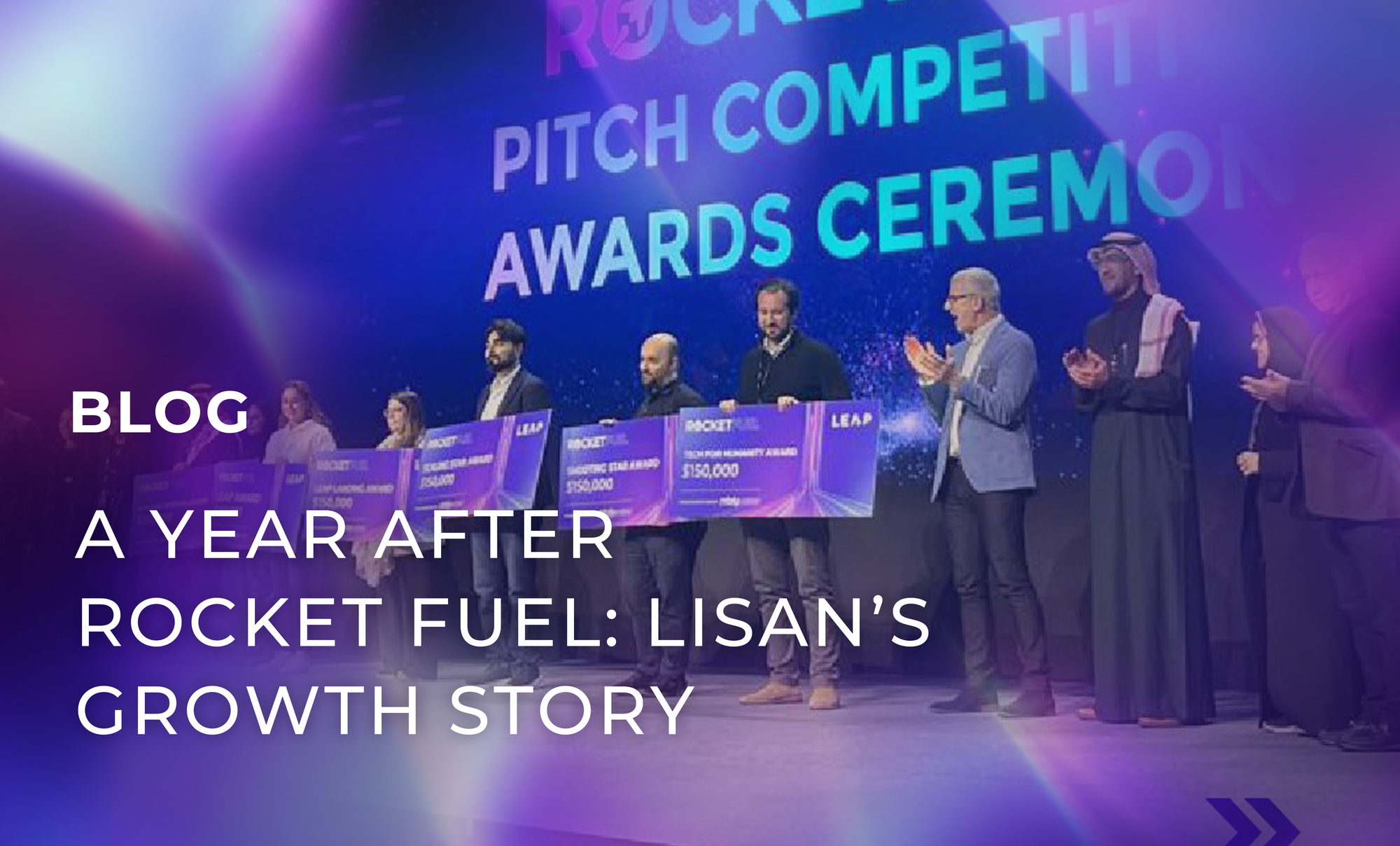
Discover how Rocket Fuel winner Lisan grew to $2.6 million ARR, secured government customers and scaled Arabic enterprise AI one year after LEAP 2025.
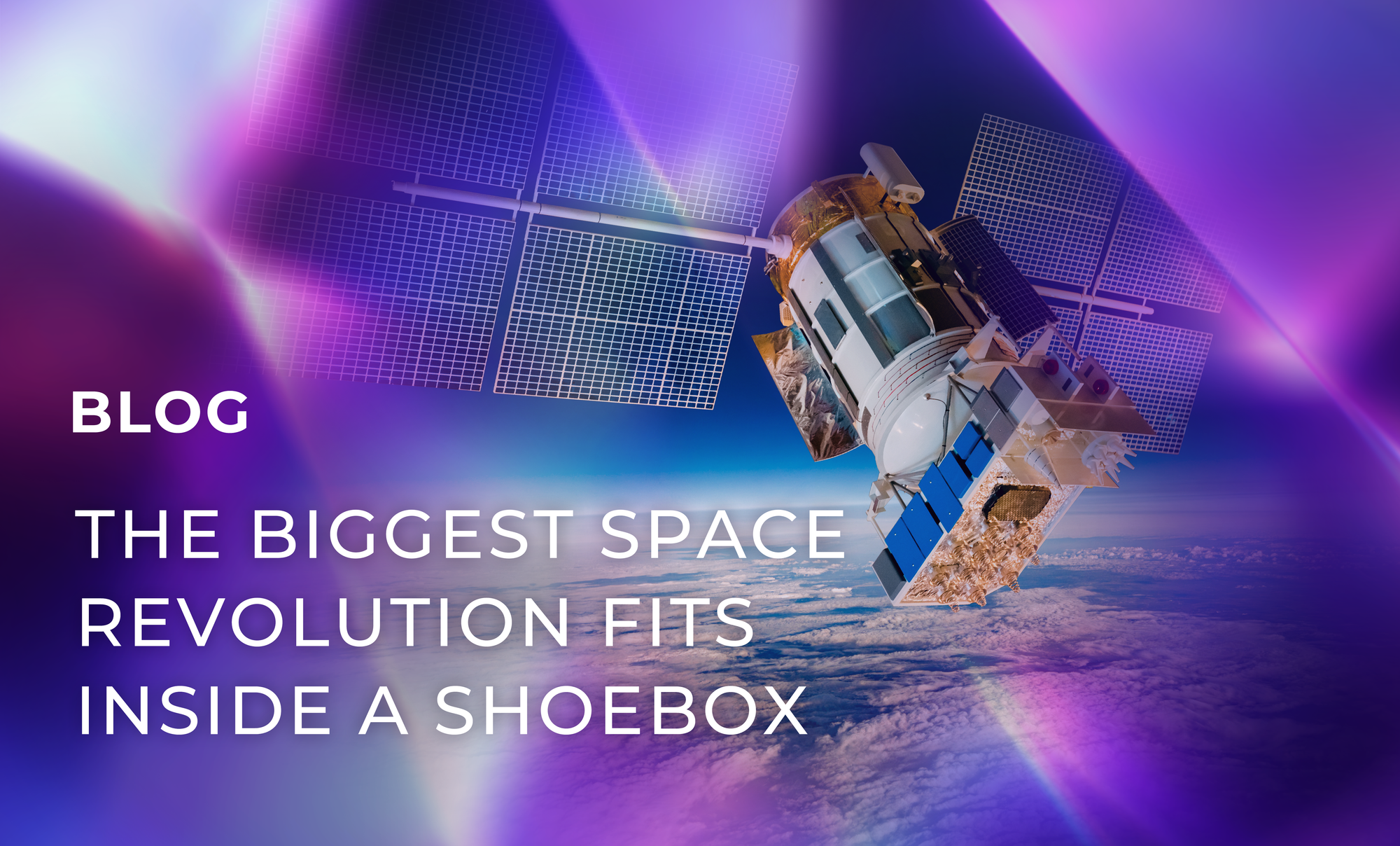
Discover how CubeSats are transforming space technology. From NASA's climate mission to maritime monitoring, these tiny satellites are making a big impact on science and innovation.
Discover how LEAP Rocket Fuel winner Daleela grew to 400,000 users, completed 8,000 consultations and expanded women's healthcare across the region.
Discover how Rocket Fuel winner Lisan grew to $2.6 million ARR, secured government customers and scaled Arabic enterprise AI one year after LEAP 2025.
Discover how CubeSats are transforming space technology. From NASA's climate mission to maritime monitoring, these tiny satellites are making a big impact on science and innovation.