
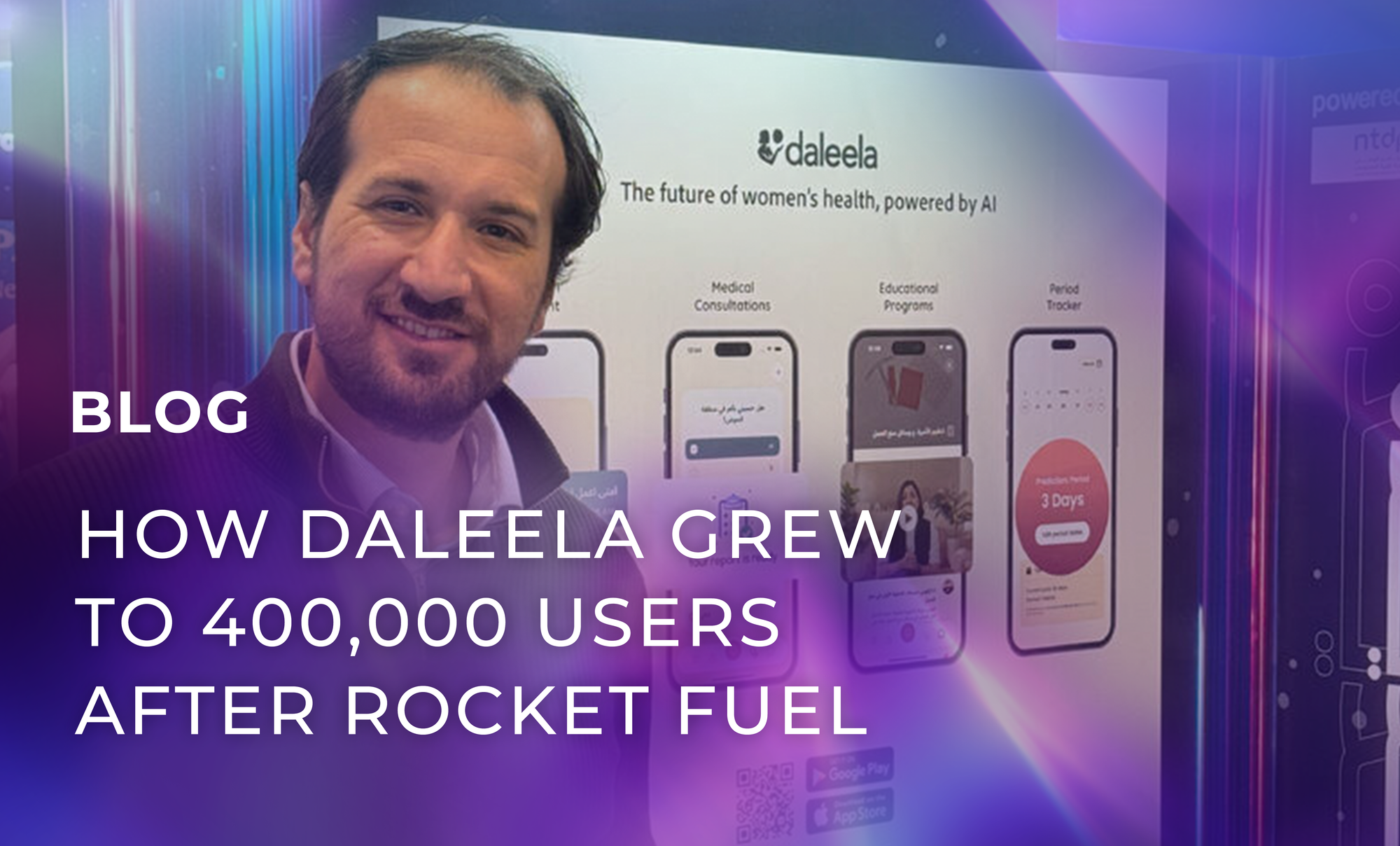
How Daleela grew to 400,000 users after Rocket Fue
Discover how LEAP Rocket Fuel winner Daleela grew to 400,000 users, completed 8,000 consultations and expanded women's healthcare across the region.

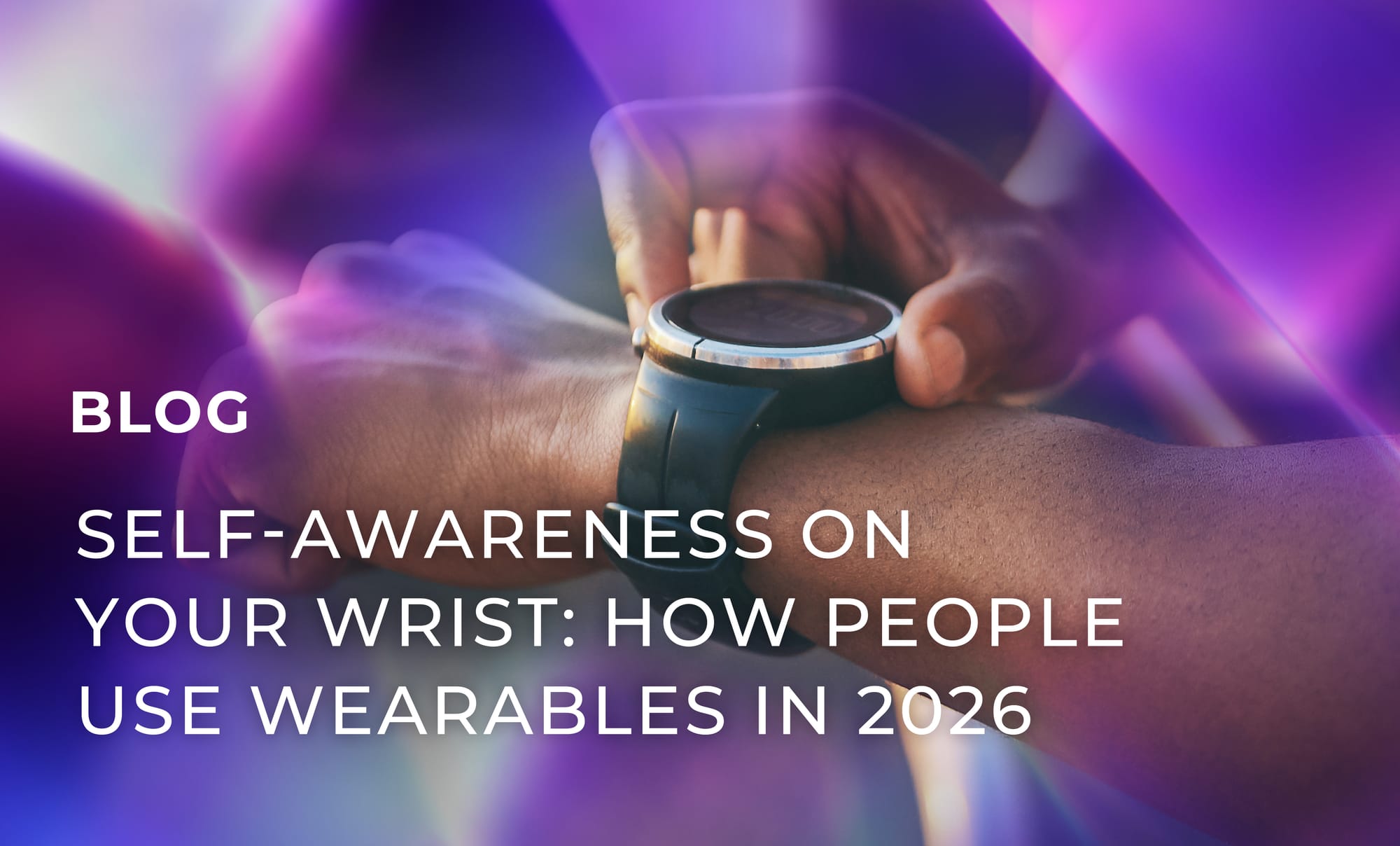
Some people wear their hearts on their sleeves. Others now wear self-awareness on their wrists – and as the wearables market continues to grow, the way we use these very personal technologies is changing.
Our relationship with wearables is starting to form a rhythm that repeats throughout the day, or across a week; cue, action, and feedback; again and again.
Over time, that repetition builds into habit. And the result is a form of interaction that stops feeling like using a device, and becomes a relationship between human and device.
Wearables have always offered data. But technological developments have changed how quickly that data returns to the user, and how often.
Peer-reviewed research highlights the role of continuous feedback systems in influencing behaviour. Real-time prompts, goal tracking, and ongoing monitoring create conditions where users respond in the moment, rather than reflecting later.
This proximity is important – because the impact of a suggestion delivered instantly is different to one reviewed at the end of the day. The loop stays active, and the response becomes part of the flow of everyday life.
Smart devices are becoming embedded in daily routines in ways that feel increasingly natural. Analysis from The Fit Partnership describes how wearables contribute to ongoing awareness of sleep, stress, and activity. By extension, this helps users recognise patterns that might otherwise pass unnoticed.
And this awareness feels like a light touch throughout the day, instead of a heavy download of information in one go. This allows awareness to be something that accompanies action, instead of interrupting it.
For some designers, the evolution of wearables runs deeper than functionality.
When we spoke to Dr. Beste Özcan (Researcher at National Research Council of Italy; Co-Founder of Hug Lab), she described a shift in perspective:
“Technically and philosophically, designing for a relationship flips the script: you're no longer crafting an object, but a presence.”
This approach moves beyond feature lists. It considers how a device enters a person’s day, how often it appears, and how it recedes.
Özcan added:
“A tool performs tasks – it delivers data, tracks metrics. A companion participates in your life – adapting to your emotional rhythm, offering silence when needed, entering gently without overwhelming.”
It’s a reimagining of wearables, with interaction being responsive rather than constant.
The strength of these systems depends on consistency.
Daily prompts encourage small adjustments: a short walk, an earlier bedtime, a moment to pause. Each action seems inconsequential on its own, but repetition creates a real impact on a person’s life.
Over weeks and months, these patterns accumulate. Users begin to recognise their own tendencies – things like when energy dips, how sleep affects mood, how activity levels vary across the week. The device provides a structure, and the user fills in the meaning.
Wearables in 2026 bring awareness closer to the surface of everyday life. They return information in the moment, encourage small actions, and build patterns through repetition. And as that loop continues day after day, gradually a more continuous understanding of the self begins to grow.
Discover how designers, researchers, and founders are rethinking the interactions between humans and tech at LEAP 2026 – from habit loops to emotional intelligent systems.
Discover how LEAP Rocket Fuel winner Daleela grew to 400,000 users, completed 8,000 consultations and expanded women's healthcare across the region.
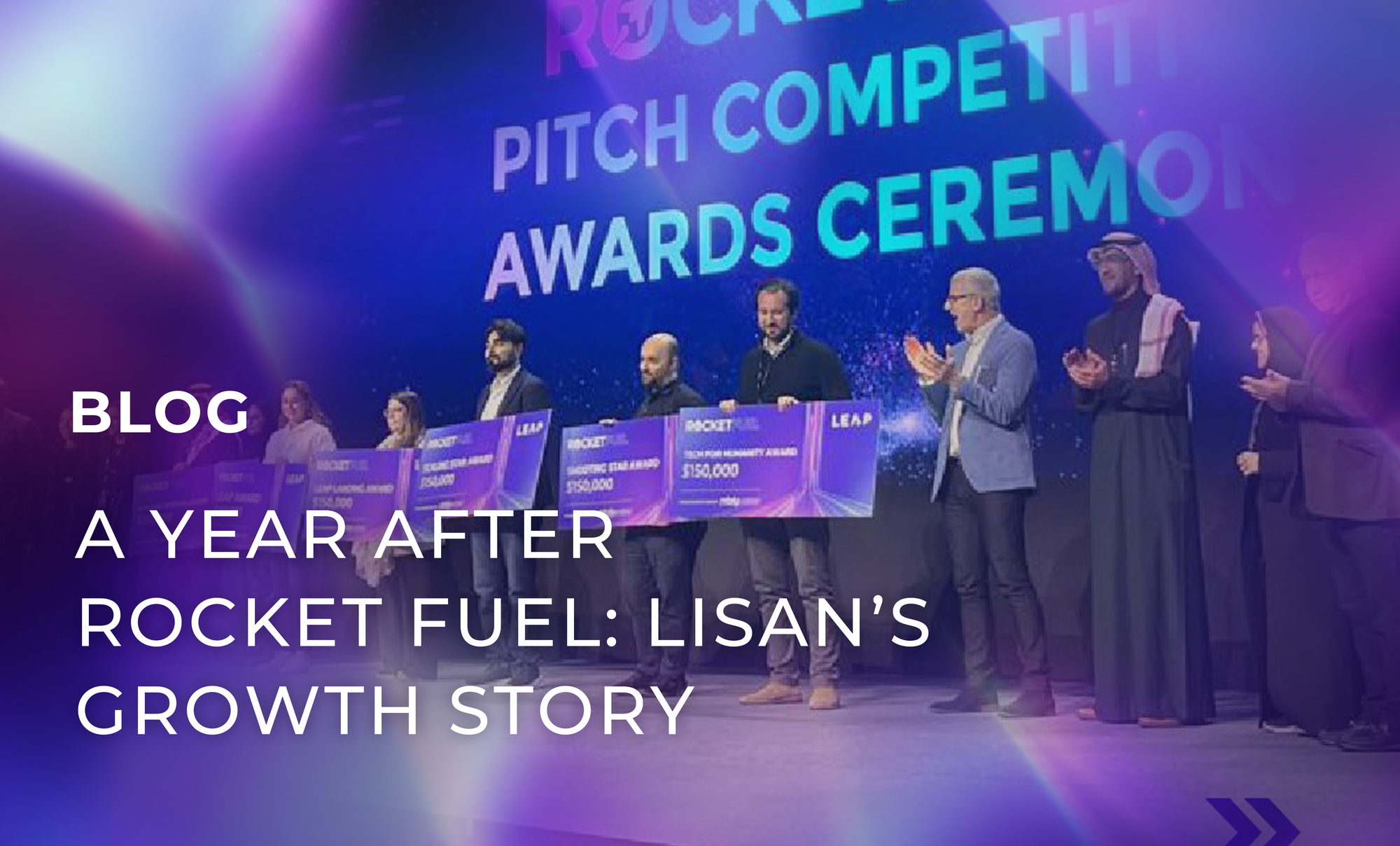
Discover how Rocket Fuel winner Lisan grew to $2.6 million ARR, secured government customers and scaled Arabic enterprise AI one year after LEAP 2025.
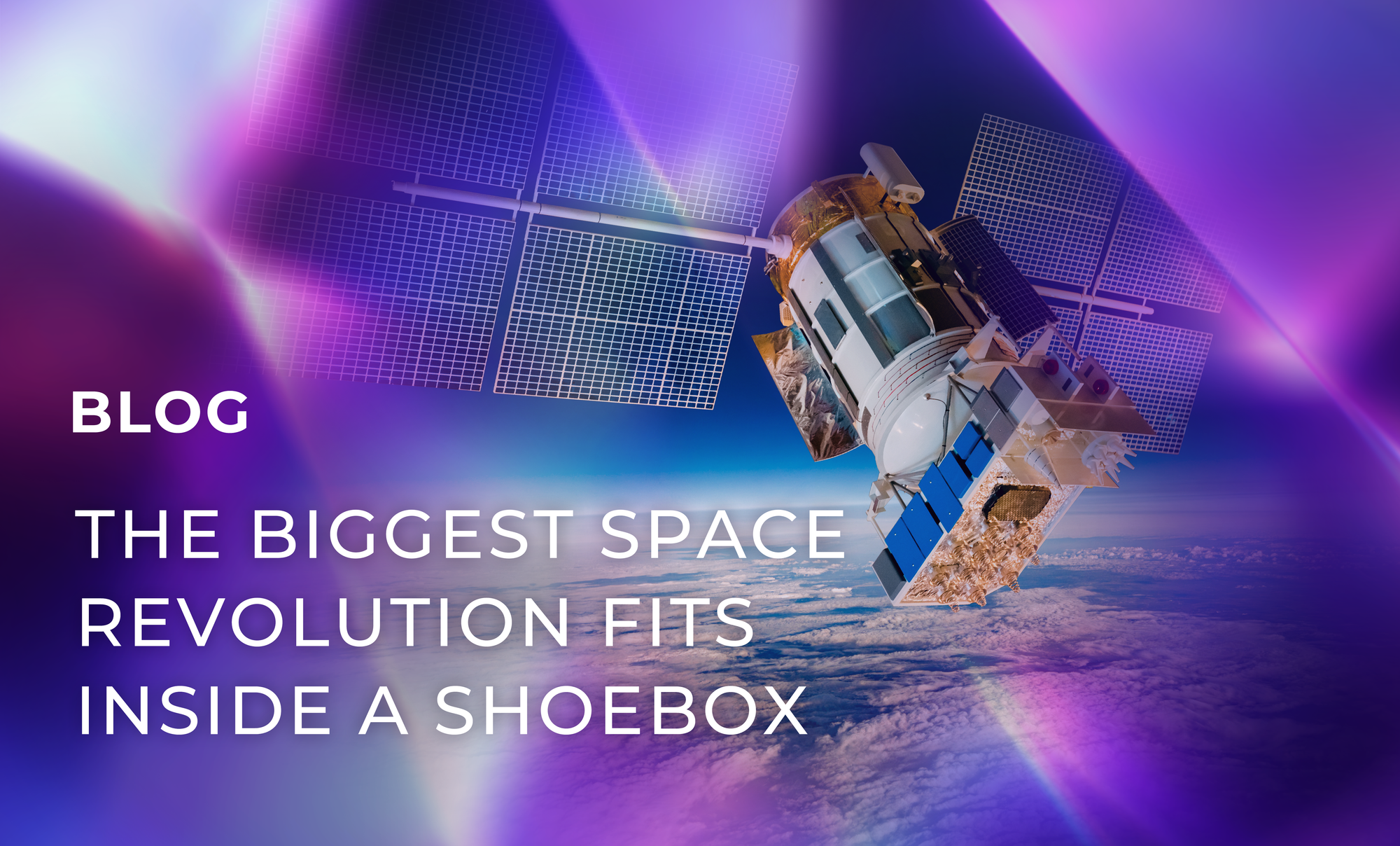
Discover how CubeSats are transforming space technology. From NASA's climate mission to maritime monitoring, these tiny satellites are making a big impact on science and innovation.
Discover how LEAP Rocket Fuel winner Daleela grew to 400,000 users, completed 8,000 consultations and expanded women's healthcare across the region.
Discover how Rocket Fuel winner Lisan grew to $2.6 million ARR, secured government customers and scaled Arabic enterprise AI one year after LEAP 2025.
Discover how CubeSats are transforming space technology. From NASA's climate mission to maritime monitoring, these tiny satellites are making a big impact on science and innovation.