
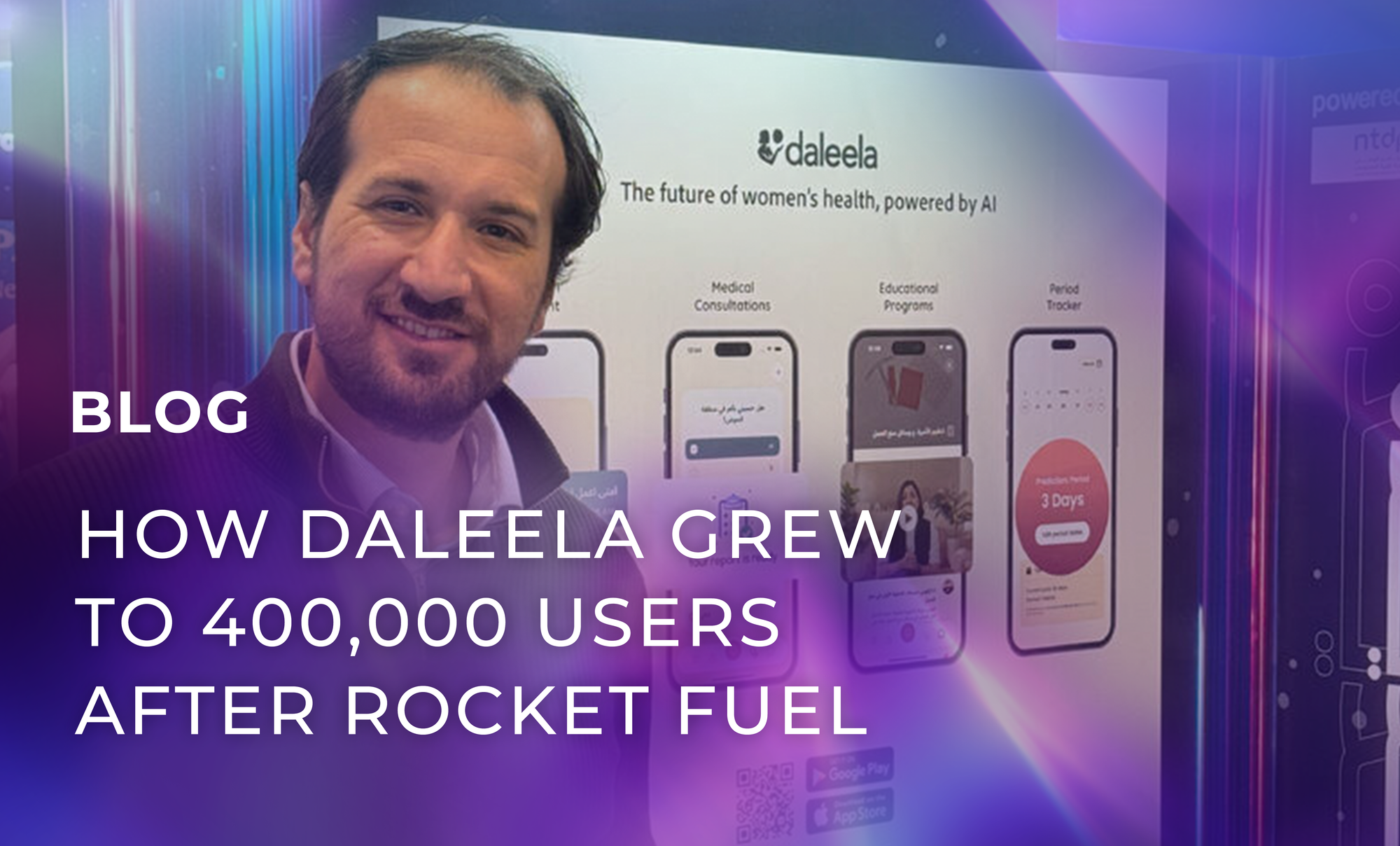
How Daleela grew to 400,000 users after Rocket Fue
Discover how LEAP Rocket Fuel winner Daleela grew to 400,000 users, completed 8,000 consultations and expanded women's healthcare across the region.

At every major climate gathering, we see bold commitments and a very long tail of delivery. The challenge is coordination above everything else – the commitment is there, but it’s really difficult to turn that into action and results.
That’s partly because sustainability is inherently cross-sector. Governments set policy and corporations deploy capital. Researchers develop solutions, and NGOs and communities bring local context. Each plays a role, but progress depends on how effectively they connect.
But now, AI platforms are turning sustainability into a coordinated system of execution. In Saudi Arabia, the SUSTAIN platform offers a working model – creating alignment at scale.
Developed through collaboration between the World Economic Forum and the Saudi Ministry of Economy and Planning, alongside Bain & Company, SUSTAIN is designed to accelerate partnership formation across the sustainability ecosystem.
At its core, the platform brings structure to a fragmented landscape:
The result is a streamlined pathway from intention to collaboration. Instead of extended discovery cycles, participants can move directly into engagement with aligned partners.
SUSTAIN is designed to support Saudi Arabia’s National Sustainable Development Blueprint, aligned with Vision 2030. Within that framework, the platform supports a much broader ambition: long-term prosperity, environmental stewardship, and improved quality of life.
The contribution it makes is practical. It connects the actors required to deliver complex projects and tracks progress across a shared system.
Early estimates show us the scale of potential impact:
These figures point to a new model for mobilising capital and capability around national priorities.
Importantly, SUSTAIN reframes sustainability from a series of individual initiatives into a repeatable process.
Here are the three elements that make up this system:
And over time, this creates a network where trust builds through verified participation, and resources move with greater precision.
From an investment perspective, this could make it easier for firms to direct funds towards sustainability goals – because it’ll give them confidence in the outcomes. Execution improves as a result of clear visibility of projects and partners – because capital can be deployed based on more reliable information. Deal flow can become more targeted, as AI-driven matching brings up opportunities that align with specific mandates and expertise. And the risk of collaboration is reduced – because verified participants and structured frameworks make multi-party projects easier to manage.
The architecture behind SUSTAIN is designed for adaptability. It’s rooted in Saudi Arabia’s national strategy, but the framework can be applied in other markets with local priorities and governance structures.
That opens the door to a broader evolution: sustainability platforms operating at national and regional levels, each coordinating capital, policy, and innovation in a unified system.
It’s a strong example of the way AI can be used to manage and expedite ambitious national and regional sustainability goals. We’re watching closely to see how other countries leverage AI for sustainability – and at LEAP 2026, we’ll see these systems translate into real-world collaboration.
Join us at LEAP from 31 August – 3 September 2026 to hear directly from the people shaping the future of technology.
Discover how LEAP Rocket Fuel winner Daleela grew to 400,000 users, completed 8,000 consultations and expanded women's healthcare across the region.
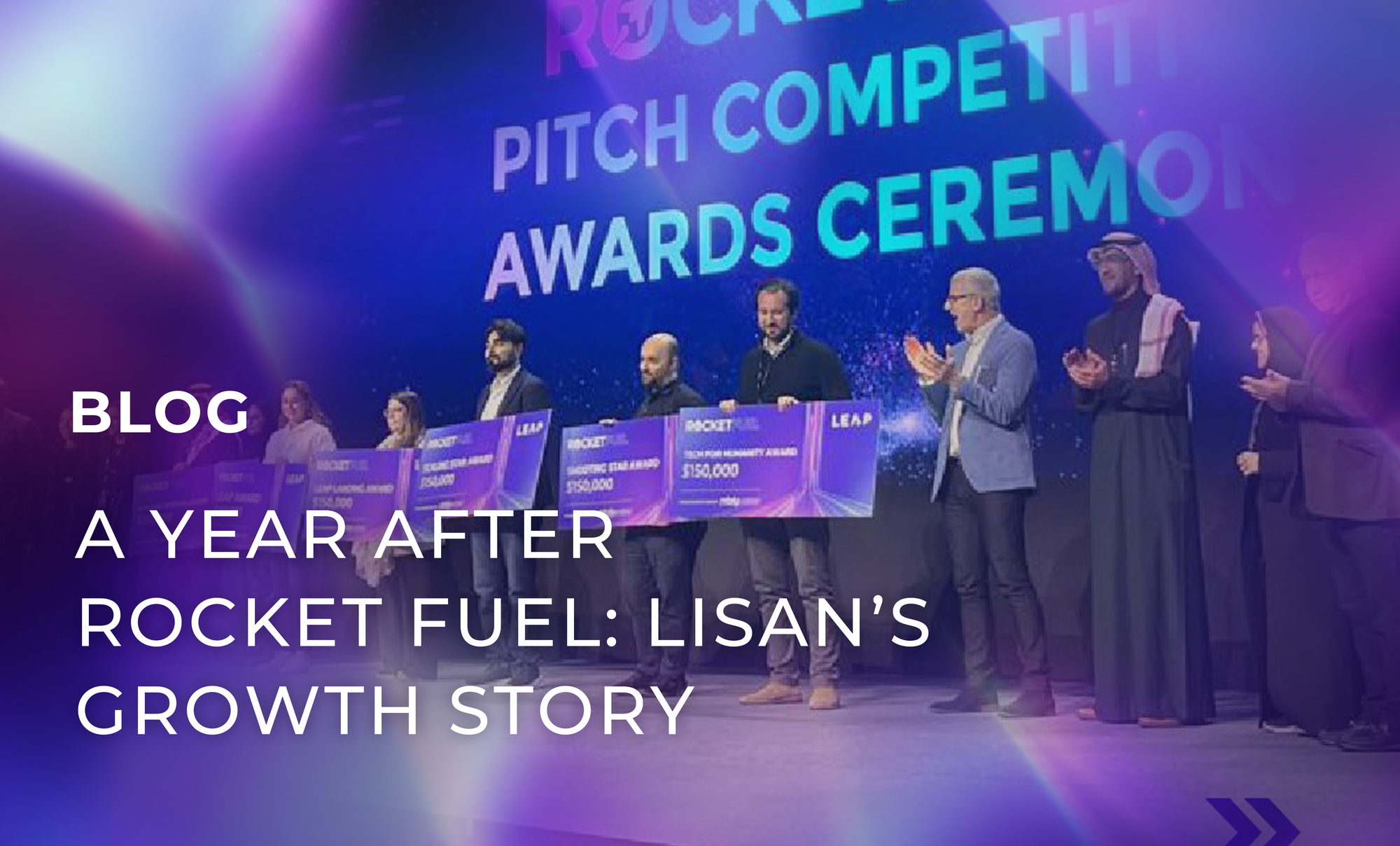
Discover how Rocket Fuel winner Lisan grew to $2.6 million ARR, secured government customers and scaled Arabic enterprise AI one year after LEAP 2025.
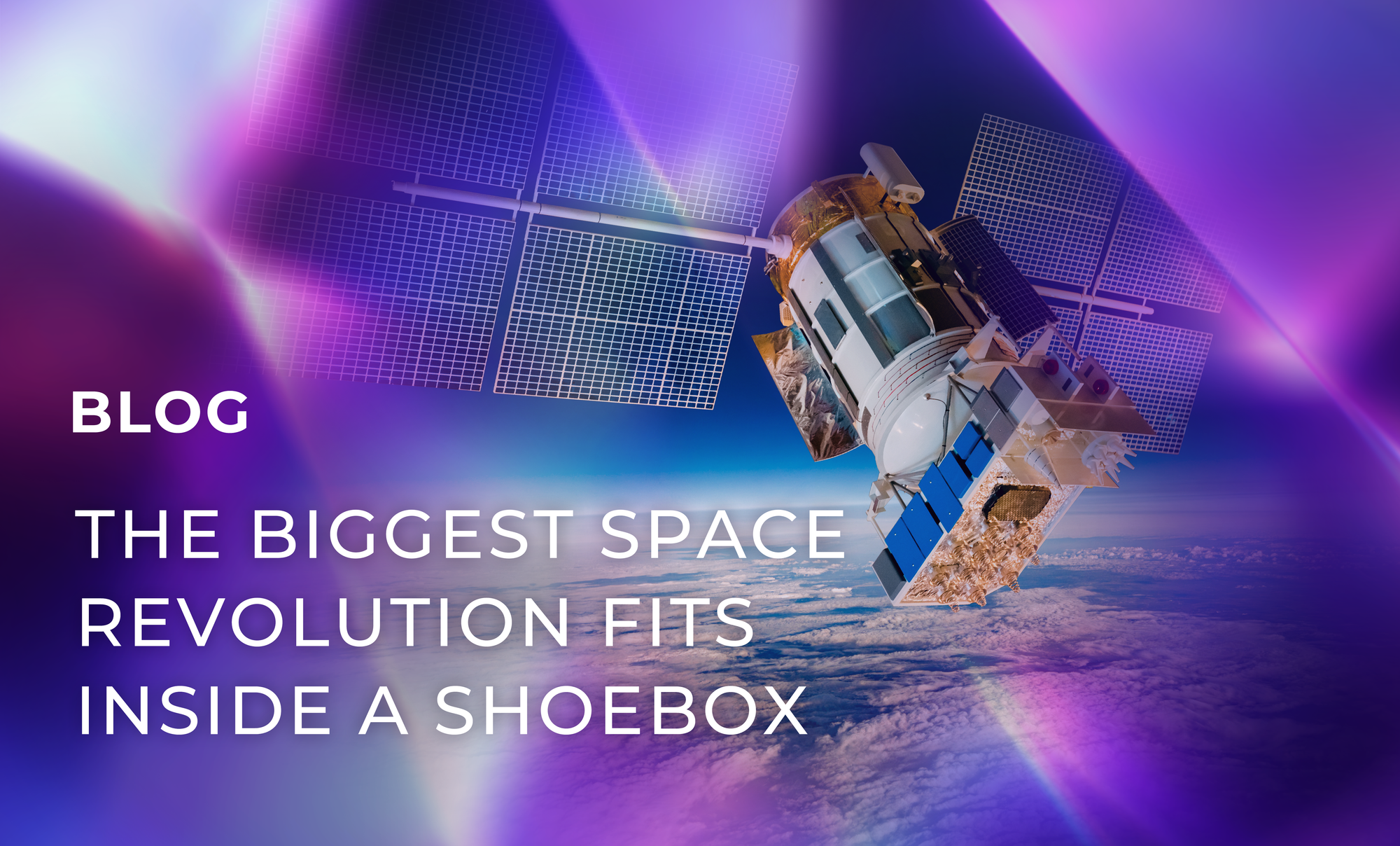
Discover how CubeSats are transforming space technology. From NASA's climate mission to maritime monitoring, these tiny satellites are making a big impact on science and innovation.
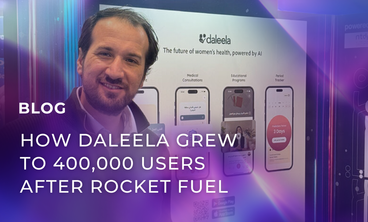
Discover how LEAP Rocket Fuel winner Daleela grew to 400,000 users, completed 8,000 consultations and expanded women's healthcare across the region.
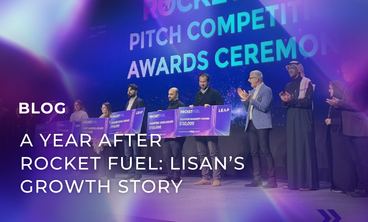
Discover how Rocket Fuel winner Lisan grew to $2.6 million ARR, secured government customers and scaled Arabic enterprise AI one year after LEAP 2025.
Discover how CubeSats are transforming space technology. From NASA's climate mission to maritime monitoring, these tiny satellites are making a big impact on science and innovation.