
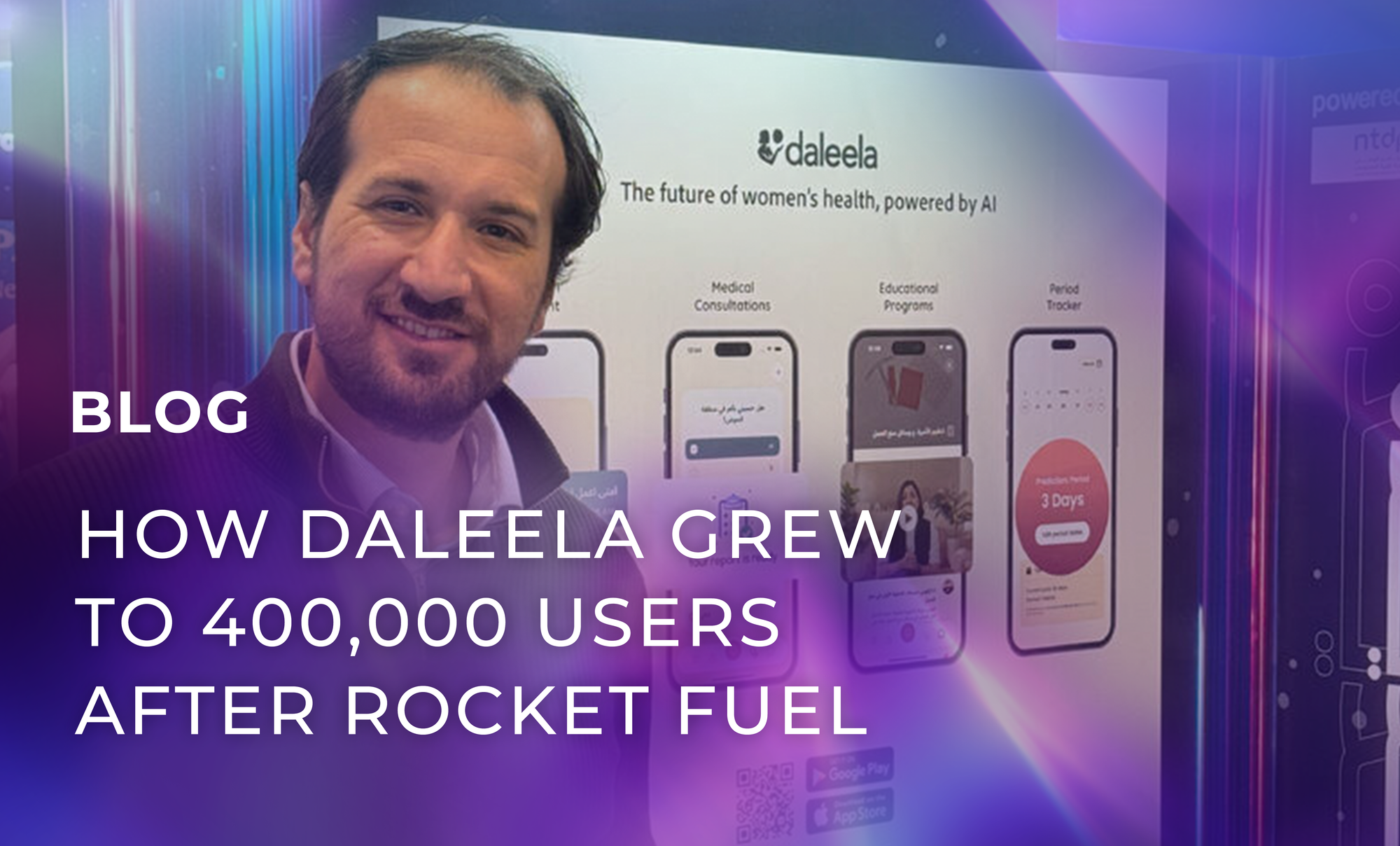
How Daleela grew to 400,000 users after Rocket Fue
Discover how LEAP Rocket Fuel winner Daleela grew to 400,000 users, completed 8,000 consultations and expanded women's healthcare across the region.

Wearable tech has largely been defined by measurement. It can tell you your heart rate and your step count, and track your sleep cycles – a steady stream of metrics designed to quantify the body.
But a different idea is beginning to surface: what if wearables weren’t simply instruments of data collection, but companions designed to support emotional regulation and human connection?
That question sits at the centre of the work of Dr. Beste Özcan (Researcher, National Research Council of Italy; Co-Founder of Hug Lab). Working at the intersection of design, robotics, neuroscience, and psychology, Özcan explores what she calls transitional wearable companions – devices that function less like tools and more like supportive presences.
It’s a subtle shift, but one with the potential to have a real impact on people’s lives. Designing for a feature is about capability. Designing for a relationship is about trust.
We asked Özcan how emotionally intelligent wearables might evolve from assistive technologies into something closer to social infrastructure – and why the real challenge is not technical capability, but intention.
“Everything changes – from feature checklists to lifelong dialogues.
“I'm deeply drawn to reframing wearables as companions rather than mere tools – an idea inspired by my own childhood, when I'd self-soothe with transitional objects during my mother's absences for work, seeking something reliably present.
“Technically and philosophically, designing for a relationship flips the script: you're no longer crafting an object, but a presence.
“A tool performs tasks – it delivers data, tracks metrics. A companion participates in your life – adapting to your emotional rhythm, offering silence when needed, entering gently without overwhelming.
“We borrow from attachment theory – secure bases that foster trust, much like Winnicott's transitional objects. For a child, this means a wearable that whispers reminders during quiet moments, mirrors playfulness without intrusion, and withdraws to let imagination lead.”
“Right now, transitional wearables are assistive bridges. But they're early signals of a larger evolution. We're heading toward a world where emotional regulation rivals physical health. Stress, overload, disconnection – these define our era.
“Emotionally intelligent wearables could weave into social infrastructure: supporting in classrooms, workplaces, homes; like emotional safety nets for isolated astronauts or overwhelmed kids.
“But only with intention.
“Technology will shape our emotional landscape. The question is whether it will amplify noise, or cultivate balance. And that choice is ours.”
“I began as a designer fascinated by space, form, and interaction. But something shifted when I started working closely with neuroscientists and psychologists.
“I remember watching a child in therapy – overwhelmed, intelligent, sensitive. I realised the issue wasn’t capability. It was environment. That moment stayed with me.
“Later, when we created one of our first wearable companions, I saw a child hold it during a difficult moment and gradually regulate. It was subtle, not dramatic – but it was powerful.
“That was the moment I understood that we’re not designing devices. We are designing emotional bridges. And that realisation guides everything I do today.”
“Don’t be afraid of complexity. The intersections between design, robotics, AI, and neuroscience may feel messy – but that’s where the future lives.
“I would also say: move with courage. When you choose to work with vulnerable populations, you choose responsibility over speed. Impact takes longer, but it goes deeper.
“And finally, I’d remind myself that technology is not neutral. Every system we design teaches something about what it means to be human.”
Thanks to Dr. Beste Özcan at Hug Lab. Join us at LEAP from 31 August – 3 September 2026 to learn directly from the leading minds in tech.
Discover how LEAP Rocket Fuel winner Daleela grew to 400,000 users, completed 8,000 consultations and expanded women's healthcare across the region.
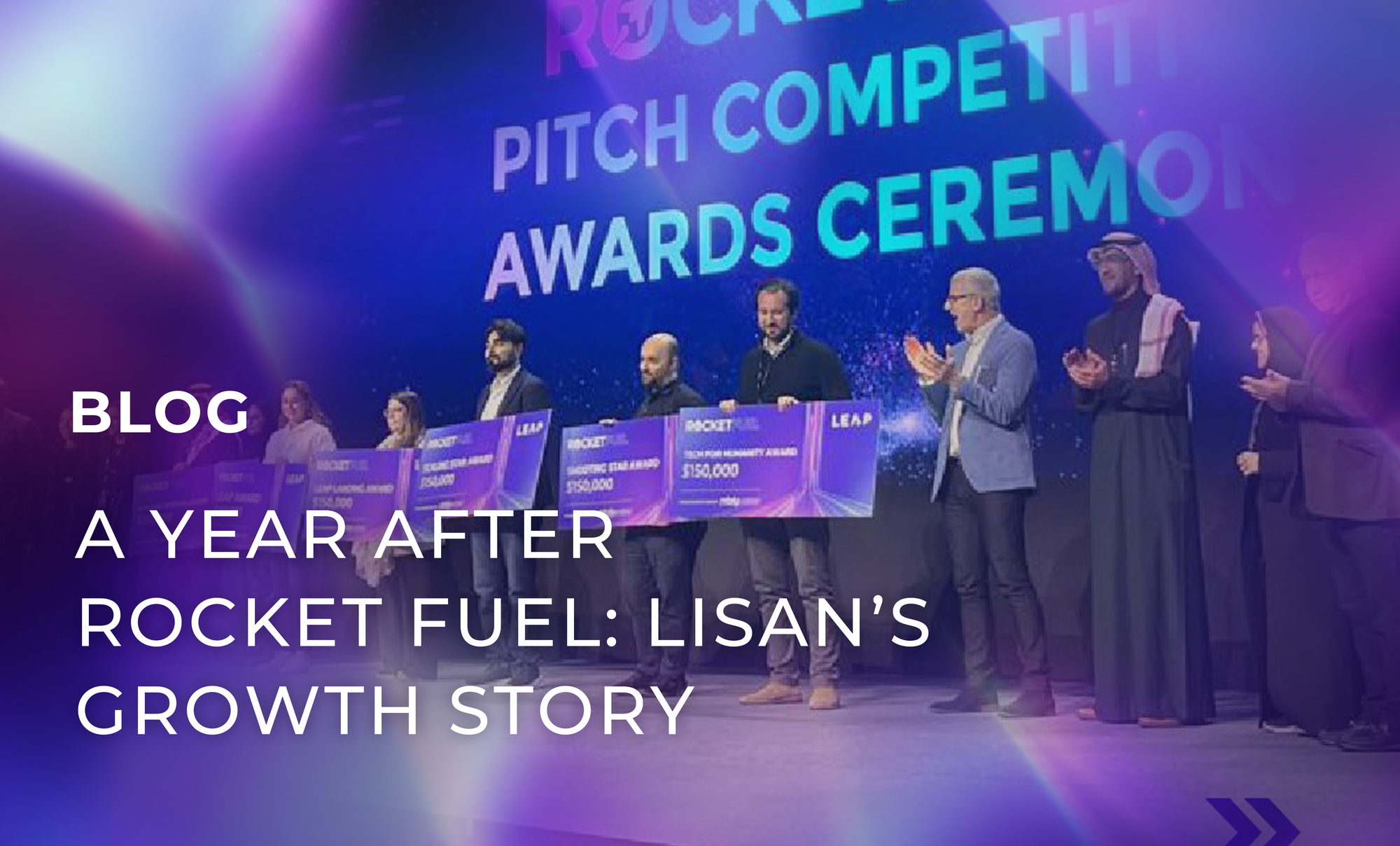
Discover how Rocket Fuel winner Lisan grew to $2.6 million ARR, secured government customers and scaled Arabic enterprise AI one year after LEAP 2025.
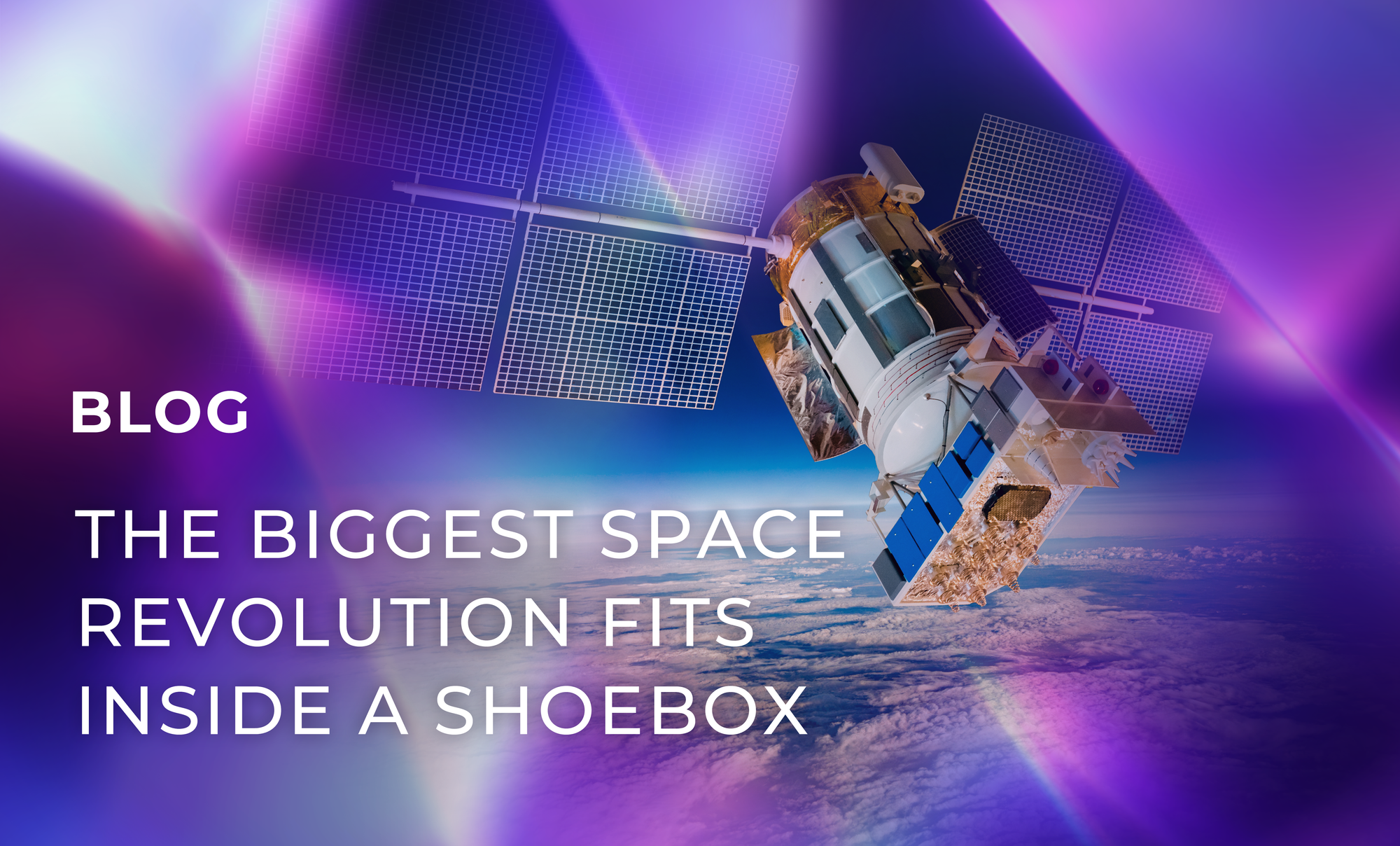
Discover how CubeSats are transforming space technology. From NASA's climate mission to maritime monitoring, these tiny satellites are making a big impact on science and innovation.
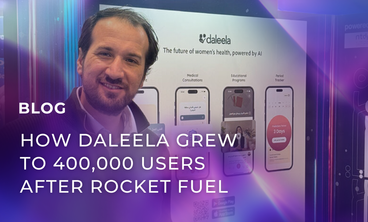
Discover how LEAP Rocket Fuel winner Daleela grew to 400,000 users, completed 8,000 consultations and expanded women's healthcare across the region.
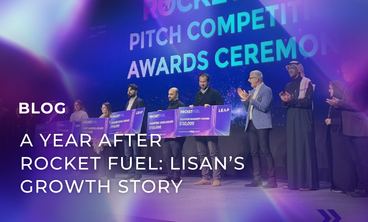
Discover how Rocket Fuel winner Lisan grew to $2.6 million ARR, secured government customers and scaled Arabic enterprise AI one year after LEAP 2025.
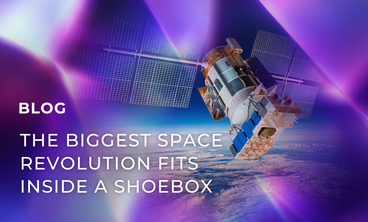
Discover how CubeSats are transforming space technology. From NASA's climate mission to maritime monitoring, these tiny satellites are making a big impact on science and innovation.