
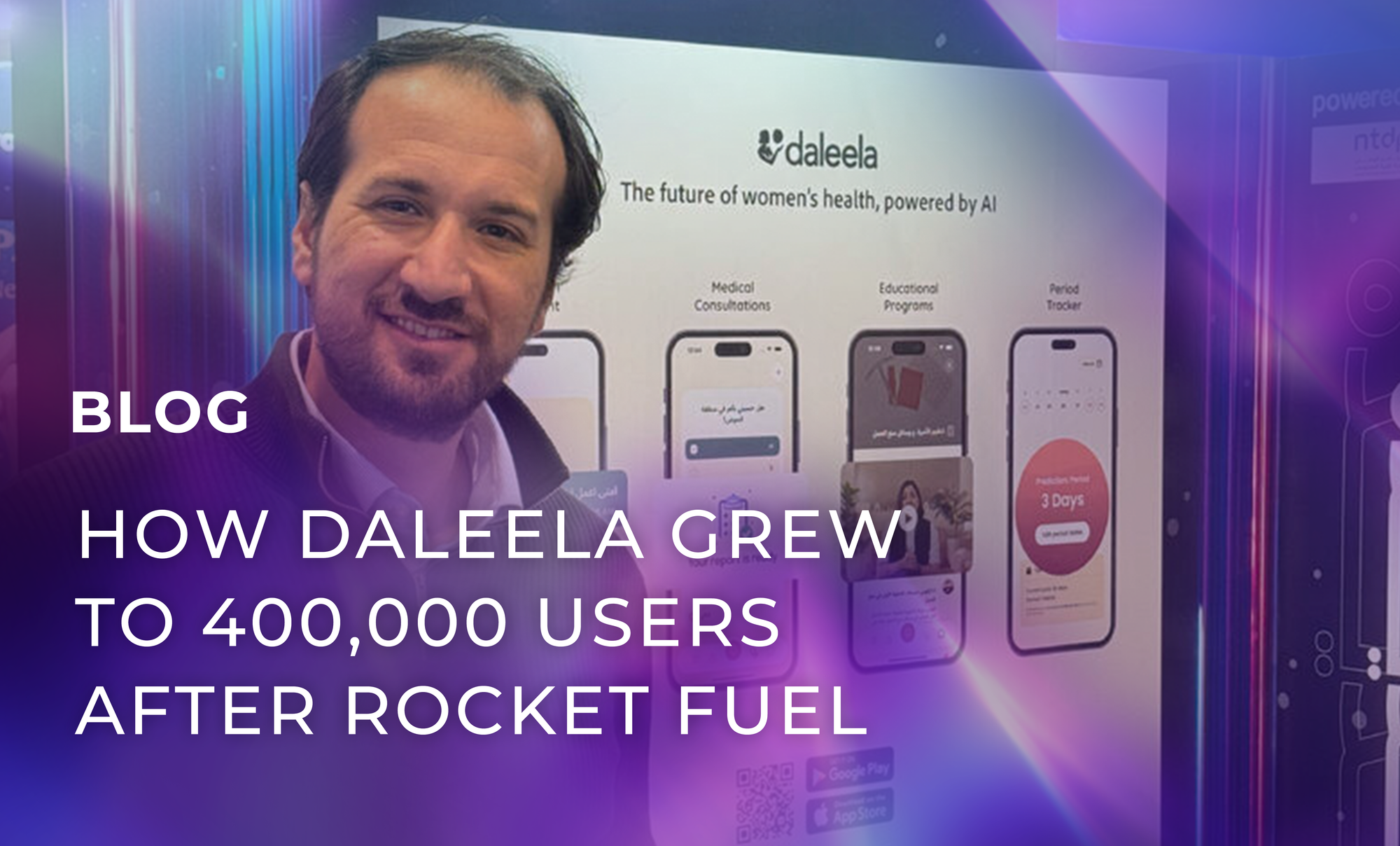
How Daleela grew to 400,000 users after Rocket Fue
Discover how LEAP Rocket Fuel winner Daleela grew to 400,000 users, completed 8,000 consultations and expanded women's healthcare across the region.

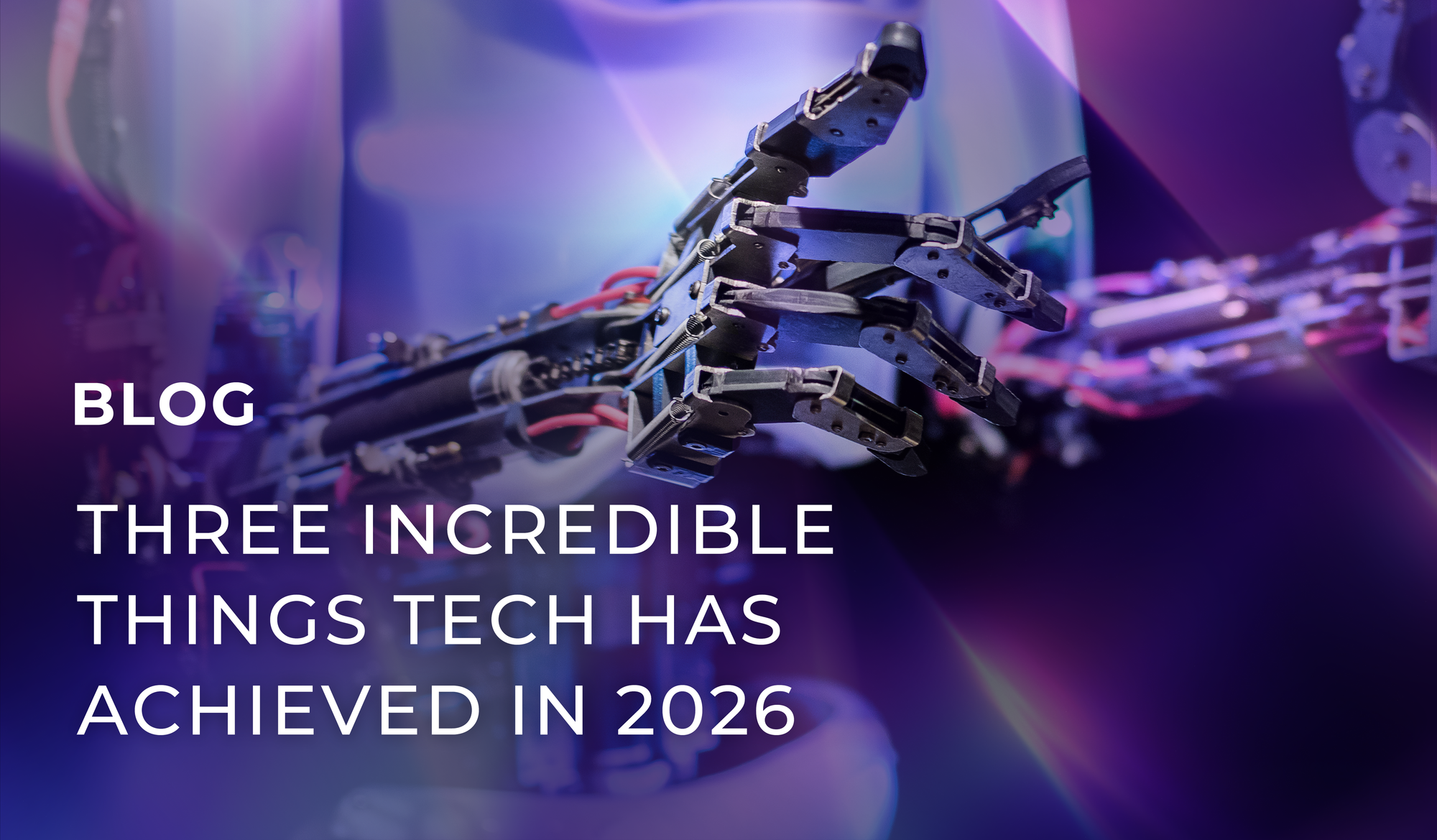
Some years in tech are defined by new devices; others by apps, IPOs, or headlines that burn brightly. This year though, the most remarkable breakthroughs have happened off screen – inside fusion reactors, on board space stations, and in operating theatres.
Technology is becoming more physical again, with a renewed focus on testing the limits of what humans can build.
Here are three things tech has achieved so far this year – all of which, in our opinion, are astonishing.
Nuclear fusion has, for decades, promised near-limitless clean energy generated in the same way stars produce power.
The problem has always been control. Fusion reactors work by containing unimaginably hot plasma inside magnetic fields. Push the plasma density too far, and the whole system becomes unstable – a challenge tied to what physicists call the Greenwald density limit.
This year, researchers working on China’s EAST reactor (nicknamed the ‘artificial sun’) reported experiments that exceeded that longstanding limit.
It might sound a bit abstract, but in fusion research it’s a genuinely significant moment. It suggests reactors may be able to operate at higher performance levels than previously thought possible.
This doesn’t mean fusion power is suddenly ready for cities next year. Commercial fusion is still a major engineering challenge. But breakthroughs like this slowly move fusion from sci-fi territory into engineering reality.
In March, Reuters reported that Voyager Technologies and Icarus Robotics plan to test a free-flying autonomous robot aboard the International Space Station.
Sounds like a niche experiment, we know. But this actually hints at far-reaching possibilities for future robotics development.
Space is one of the harshest environments imaginable for robotics:
Training autonomous systems there could help create robots that are far more resilient back on Earth.
This comes at a time when robotics is entering a new phase. Conventionally, most robots only functioned properly in highly controlled environments. But the next generation needs to adapt dynamically – moving through unfamiliar spaces, responding to unexpected conditions, and collaborating safely with humans.
Instead of machines that just follow instructions, we’re working towards machines that learn behaviour.
And some of that learning may now begin in orbit.
This year we’ve also seen researchers demonstrate humanoid robotic systems assisting in endoscopic surgical environments.
To be clear: we’re not talking about autonomous robot surgeons replacing doctors. The systems remain experimental, and they operate with intensive human oversight.
But it’s still an amazing achievement.
Most surgical robots today are highly specialised machines designed for specific procedures. Humanoid robotic systems are different – because they can potentially work with tools and environments already built for humans.
That’s a massive difference, because hospitals are complex physical spaces filled with equipment designed around human movement and dexterity. A humanoid system capable of assisting within those environments could make robotic support more adaptable in the future.
It’s an early glimpse of something once confined almost entirely to science fiction: machines working alongside humans in some of the most delicate tasks imaginable, in life or death situations.
These breakthroughs suggest that in 2026, tech isn’t just advancing in the digital world. It’s having a growing impact on the physical one too – interacting with energy and medicine; robotics and infrastructure; even space.
These achievements have physical mass and real-world consequences. They involve plasma contained at millions of degrees, and machines floating in orbit.
Tech development is becoming more tangible – and we’re excited to see what happens next.
Join us at LEAP from 31 August – 3 September 2026 to discover the latest in tech development for the physical world.
Discover how LEAP Rocket Fuel winner Daleela grew to 400,000 users, completed 8,000 consultations and expanded women's healthcare across the region.
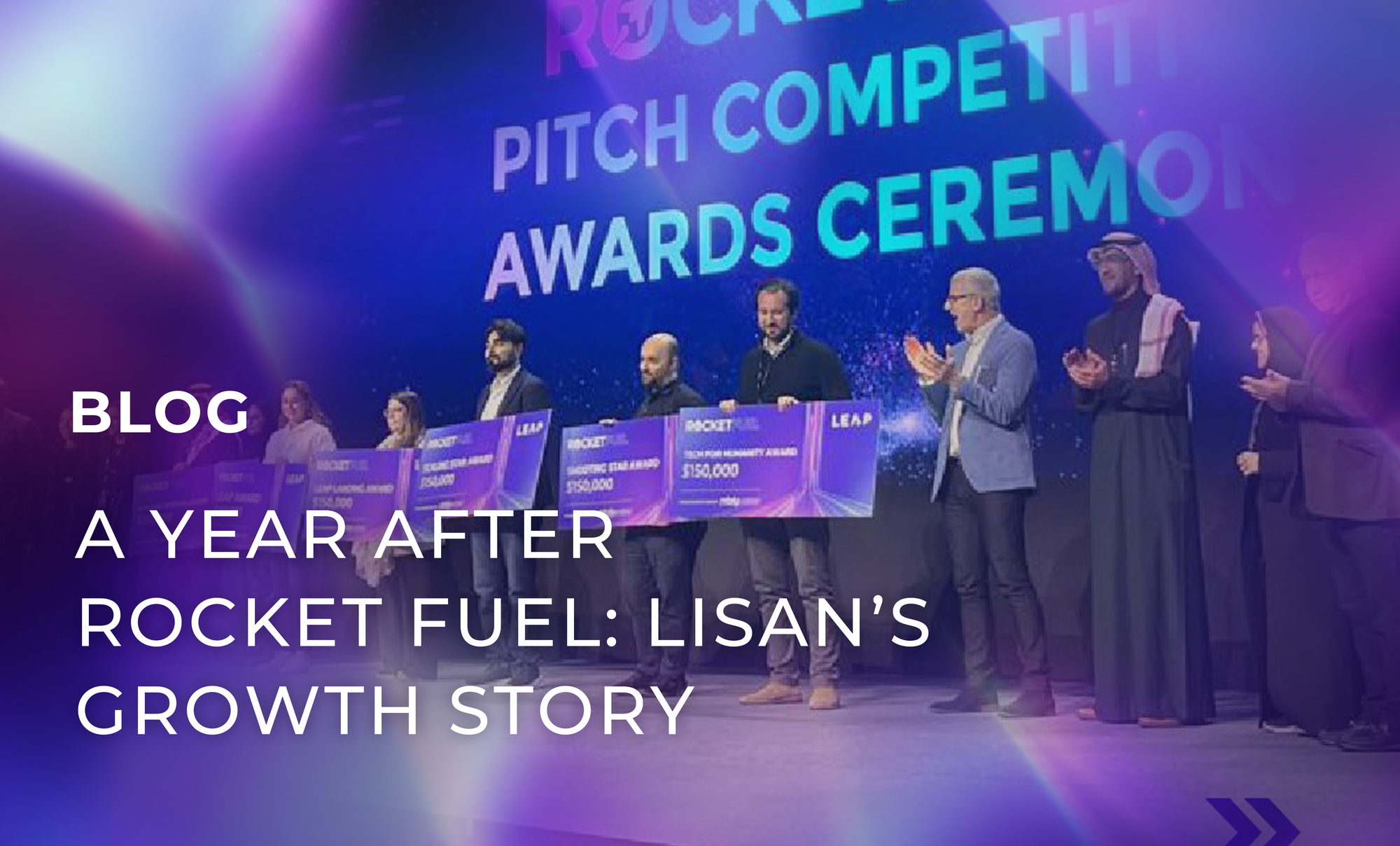
Discover how Rocket Fuel winner Lisan grew to $2.6 million ARR, secured government customers and scaled Arabic enterprise AI one year after LEAP 2025.
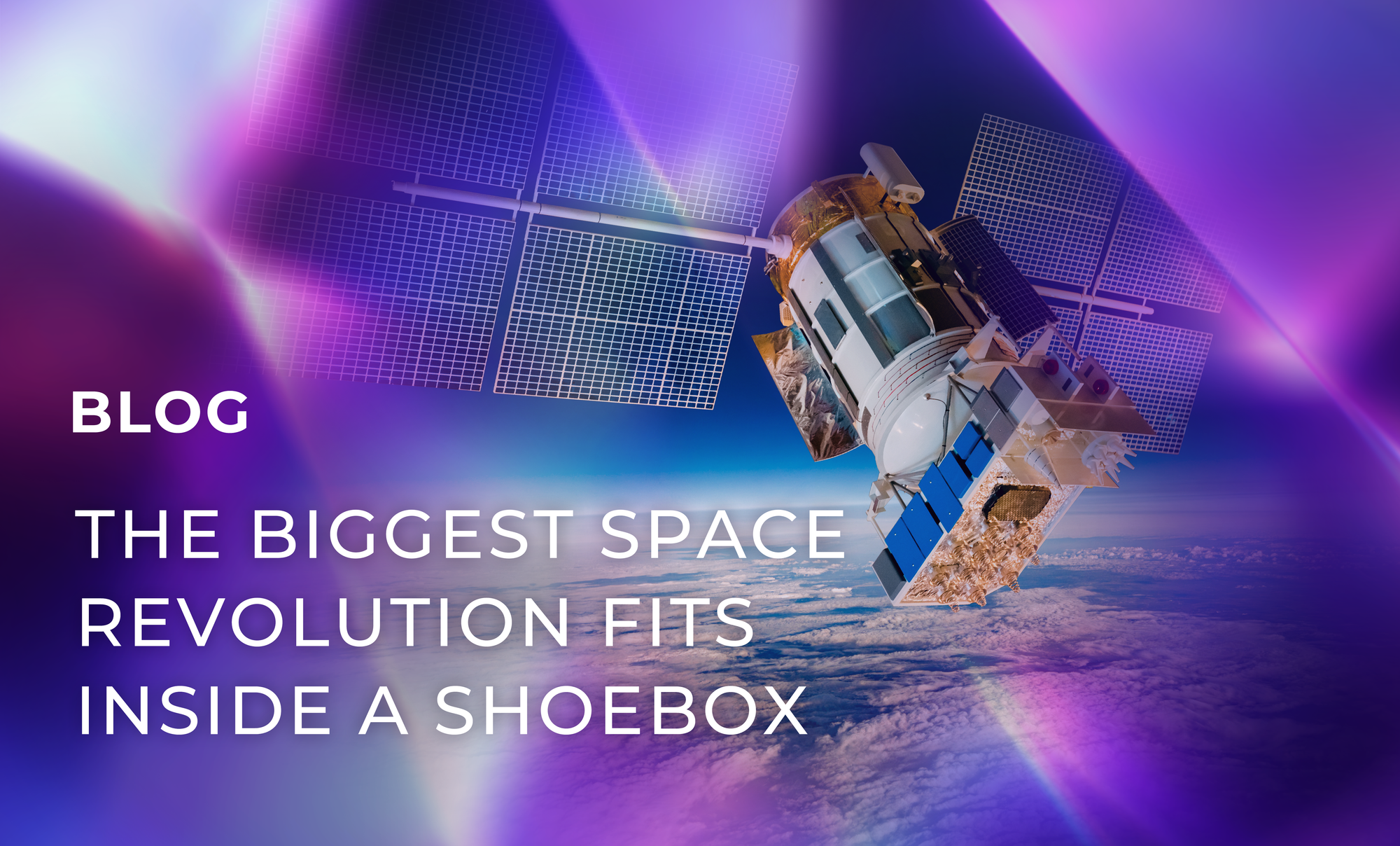
Discover how CubeSats are transforming space technology. From NASA's climate mission to maritime monitoring, these tiny satellites are making a big impact on science and innovation.
Discover how LEAP Rocket Fuel winner Daleela grew to 400,000 users, completed 8,000 consultations and expanded women's healthcare across the region.
Discover how Rocket Fuel winner Lisan grew to $2.6 million ARR, secured government customers and scaled Arabic enterprise AI one year after LEAP 2025.
Discover how CubeSats are transforming space technology. From NASA's climate mission to maritime monitoring, these tiny satellites are making a big impact on science and innovation.