

When is synthetic data more useful than the real thing?
Discover what synthetic data is, why organisations are using it to train AI, and how it could help solve privacy, bias and data scarcity challenges.

Somewhere on the edge of a city, a data centre hums quietly through the night. Its servers power the world’s appetite for generative AI – every model and training cycle pulling from an unseen grid of energy and hardware.
That low hum is a reminder that the future is being constructed behind the scenes; that behind every breakthrough lies the infrastructure that enables it. And that infrastructure is where capital is beginning to concentrate.
Global venture investment reached USD $126.3 billion across 7,551 deals in the first quarter of 2025, according to KPMG. AI and infrastructure dominated the largest rounds – a single $40 billion deal for OpenAI doubled what would otherwise have been a down quarter.
Bain & Company’s 2025 report on venture capital found that nearly half of global VC funding now targets software and AI companies, but hardware and compute-intensive ventures capture the biggest cheques. The Seraphim Space Index reported a record $3.5 billion invested in space and satellite tech in Q3 2025, driven by defence and climate demands. And across Europe, Dealroom data shows deep tech startups now attract about one-third of all venture capital.
People are still funding software. But a growing number of investors are recognising that if we want software to grow, we have to have solid foundations in place to make that happen.
Investors have spent a decade backing ‘light’ tech: capital-efficient SaaS, low-burn platforms, quick exits. But today’s growth engines are AI, quantum, robotics, and energy systems – and they can’t run on cloud metaphors alone. They need chips, clean power, and logistics.
Infrastructure underpins innovation. And as investors recognise this, three key changes in investment strategies stand out:
These changes demand patient capital. Investors need a certain level of technical depth to understand why it’s worth directing funds towards infrastructure, and they have to be willing to co-build with governments and industry – at a slower pace.
Infrastructure alone won’t define the future. Software continues to yield strong returns – particularly in cybersecurity, fintech, and applied AI.
But even those sectors depend on what lies beneath. Quantum computing needs fabs; AI models need compute; SaaS needs sovereign data hosting. You don’t have to invest in infrastructure directly to be affected by it.
For LPs and GPs, this means reassessing exposure. If portfolios lean too heavily towards digital plays, are they under-hedged against physical constraints? If investing in infrastructure itself, are they positioned to capture the layers that will build on top?
To fund the foundations wisely, investors can:
Over the last decade we’ve seen an investment focus on software castles in the cloud. And over the next decade, we expect to see more investors focus on the ground those castles stand on. Because infrastructure enables everything.
For investors, the opportunity lies in balance: agility above, endurance below. Fund the foundations – and you’ll help shape the architecture of the age.
Register now to become part of our investor network at LEAP. You’ll meet infrastructure and deep tech innovators, explore sovereign and corporate co-investment opportunities, and see leading startups pitch live in the Rocket Fuel Pitch Competition.
Discover what synthetic data is, why organisations are using it to train AI, and how it could help solve privacy, bias and data scarcity challenges.
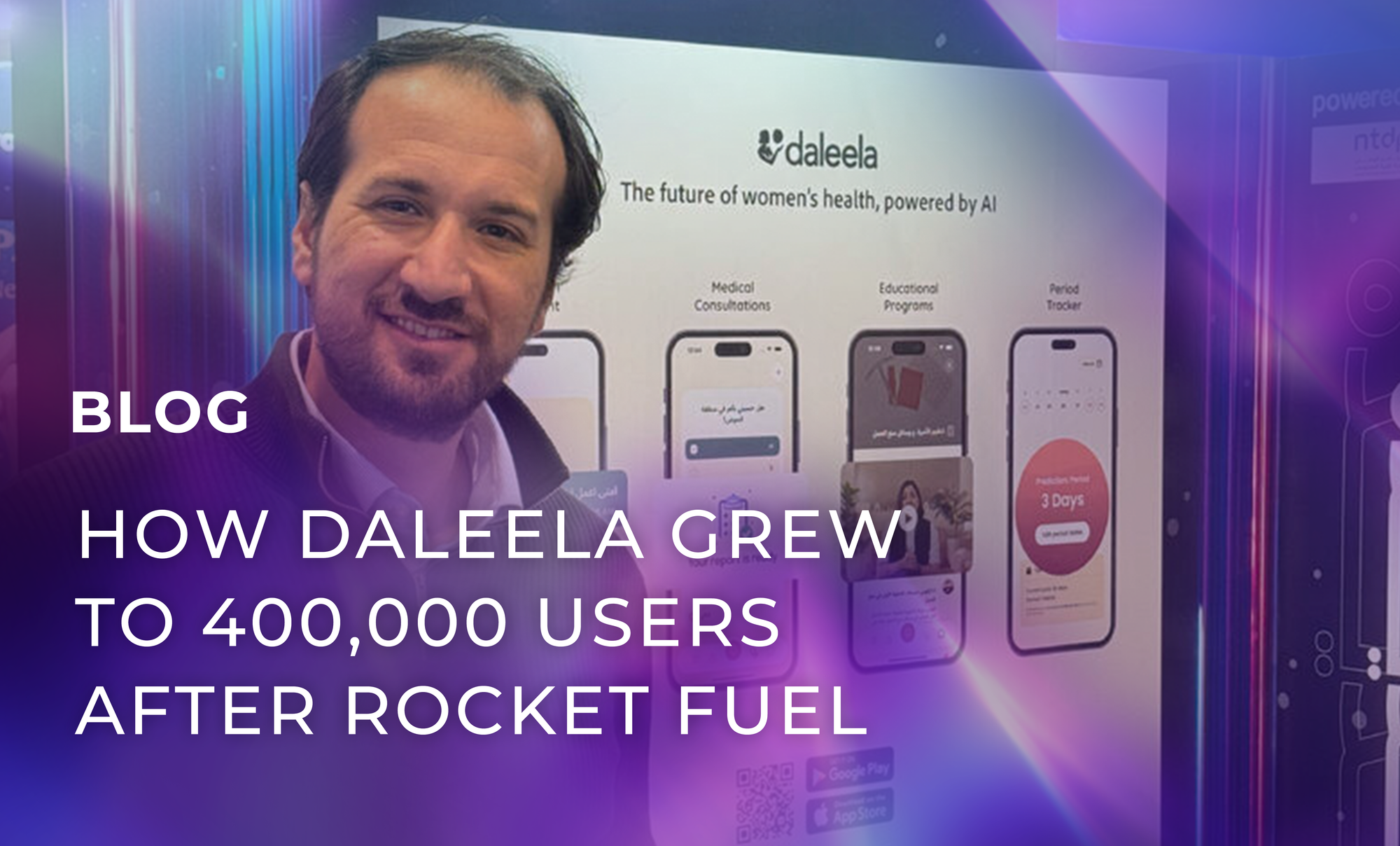
Discover how LEAP Rocket Fuel winner Daleela grew to 400,000 users, completed 8,000 consultations and expanded women's healthcare across the region.
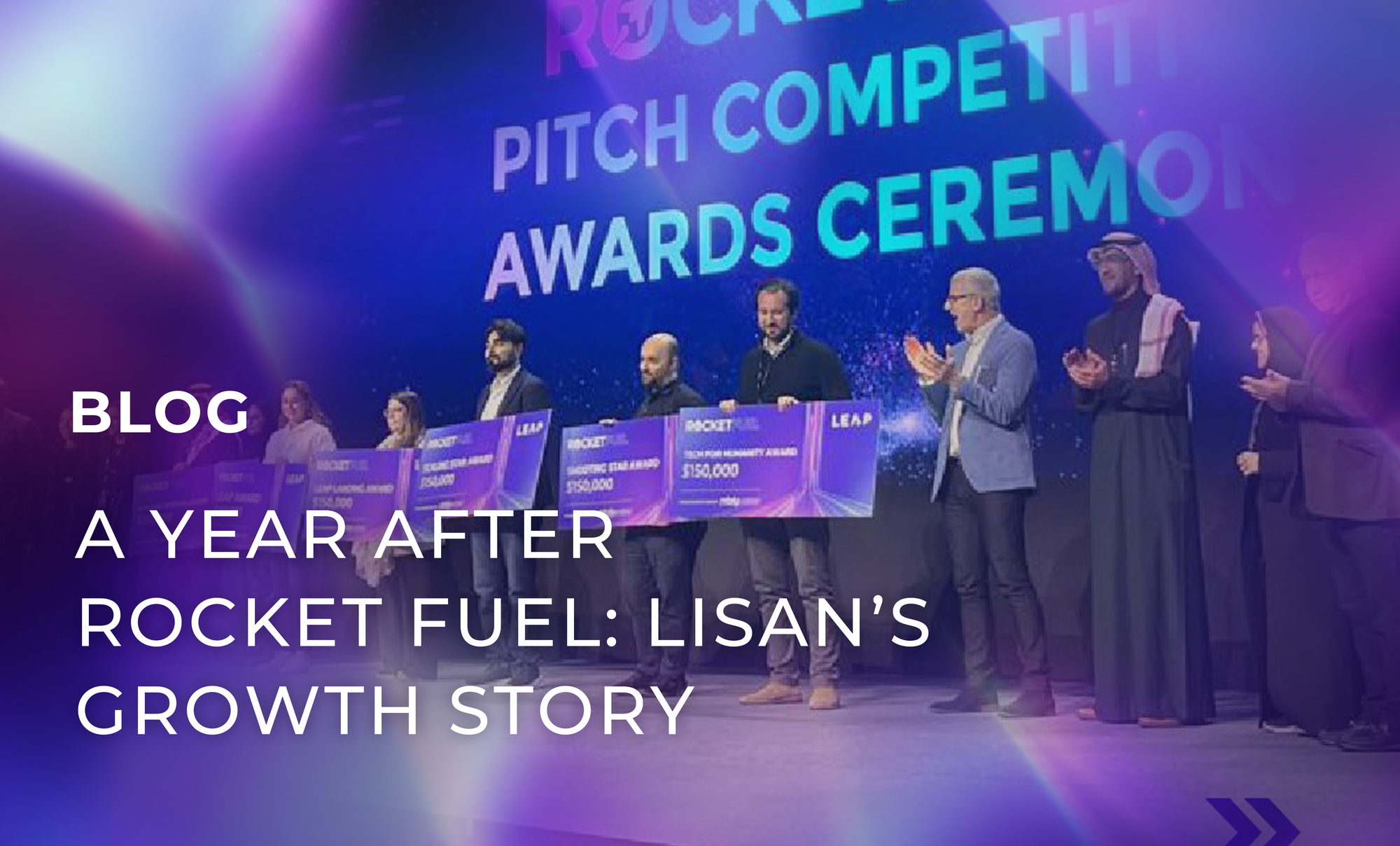
Discover how Rocket Fuel winner Lisan grew to $2.6 million ARR, secured government customers and scaled Arabic enterprise AI one year after LEAP 2025.

Discover what synthetic data is, why organisations are using it to train AI, and how it could help solve privacy, bias and data scarcity challenges.
Discover how LEAP Rocket Fuel winner Daleela grew to 400,000 users, completed 8,000 consultations and expanded women's healthcare across the region.
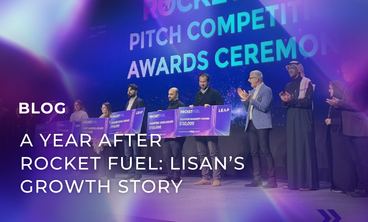
Discover how Rocket Fuel winner Lisan grew to $2.6 million ARR, secured government customers and scaled Arabic enterprise AI one year after LEAP 2025.