Building for the AI era starts with infrastructure
Julian Tan (Director of Corporate Strategy at BT Group) on AI infrastructure, innovation in large organisations, customer loyalty, and the leadership skills shaping the next decade.
How AI agents, automation and hybrid workforces are changing enterprise teams in Saudi Arabia.
Why Saudi Arabia’s ‘fast-follower’ approach to AI and technology may be its biggest competitive advantage.
As AI shifts from training to inference, investors are watching latency, deployment speed, and compute efficiency influence the infrastructure market.
Discover how technology is transforming travel in 2026, blurring the boundaries between movement, work, identity and everyday life.
Explore three major tech breakthroughs of 2026, from fusion energy advances to space robotics and humanoid surgical systems.
Find out how water intelligence platforms are transforming infrastructure through smart meters, IoT sensors, cloud systems, and real-time analytics across global cities.
Ageing water infrastructure is creating new opportunities for startups in predictive maintenance, smart metering, infrastructure analytics, and water technology platforms.
Find out how investors will benefit from attending LEAP in Riyadh. Find your next investment, grow your knowledge, and build a powerful network of peer-investors and mentors.
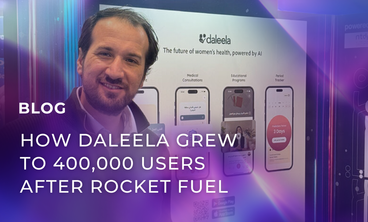
Find out how your startup can benefit from the Startup Program at LEAP 2026 – from investor matchmaking to one-to-one mentoring, pitch masterclasses, and the chance to win a share of our $1 million Rocket Fuel Pitch Competition fund.
Smart tech is helping cities move towards regenerative urbanism – a model that actively restores ecosystems and reimagines city life through innovation and collaboration.
From Jane Jacobs' 1958 call for people-first urban design to today’s AI-powered smart cities, we explore how urban needs have stayed the same – even as the tools have transformed.
Explore key smart city market trends for 2025–2030, from EV infrastructure to AI-powered waste systems – backed by the latest industry report.
Learn how generative AI is unlocking the true potential of digital twins – to make smart cities more efficient, inclusive, and citizen-focused.
The smart cities of the future will use tech to lower emissions, cut urban temperatures, and improve quality of life in highly populated areas.
Discover the cities that rank highly for smart city preparedness, and learn why locally relevant innovation is more important than cutting-edge tech.