
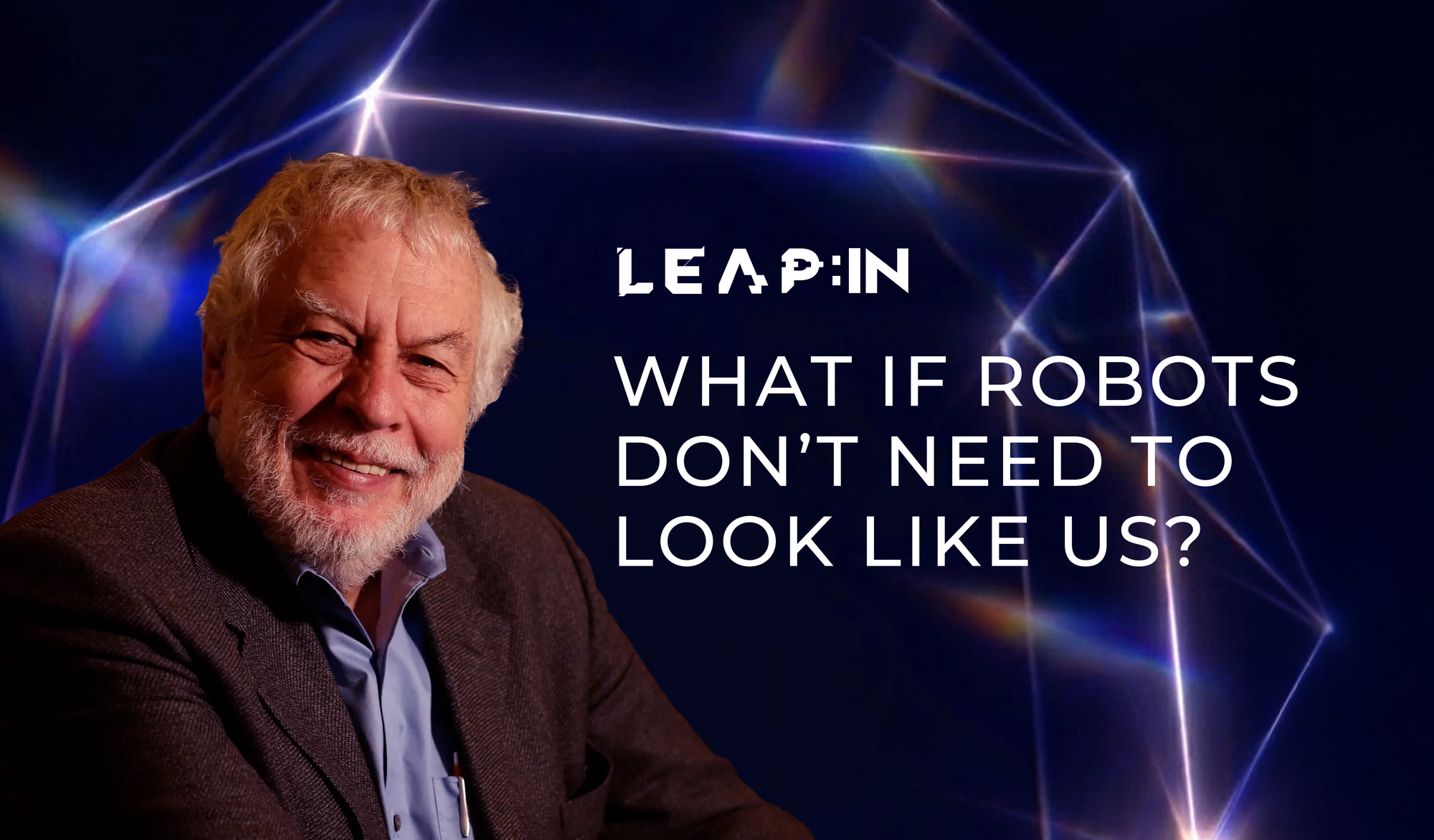
What if robots don’t need to look like us?
The future of robotics could be stranger than we imagined.

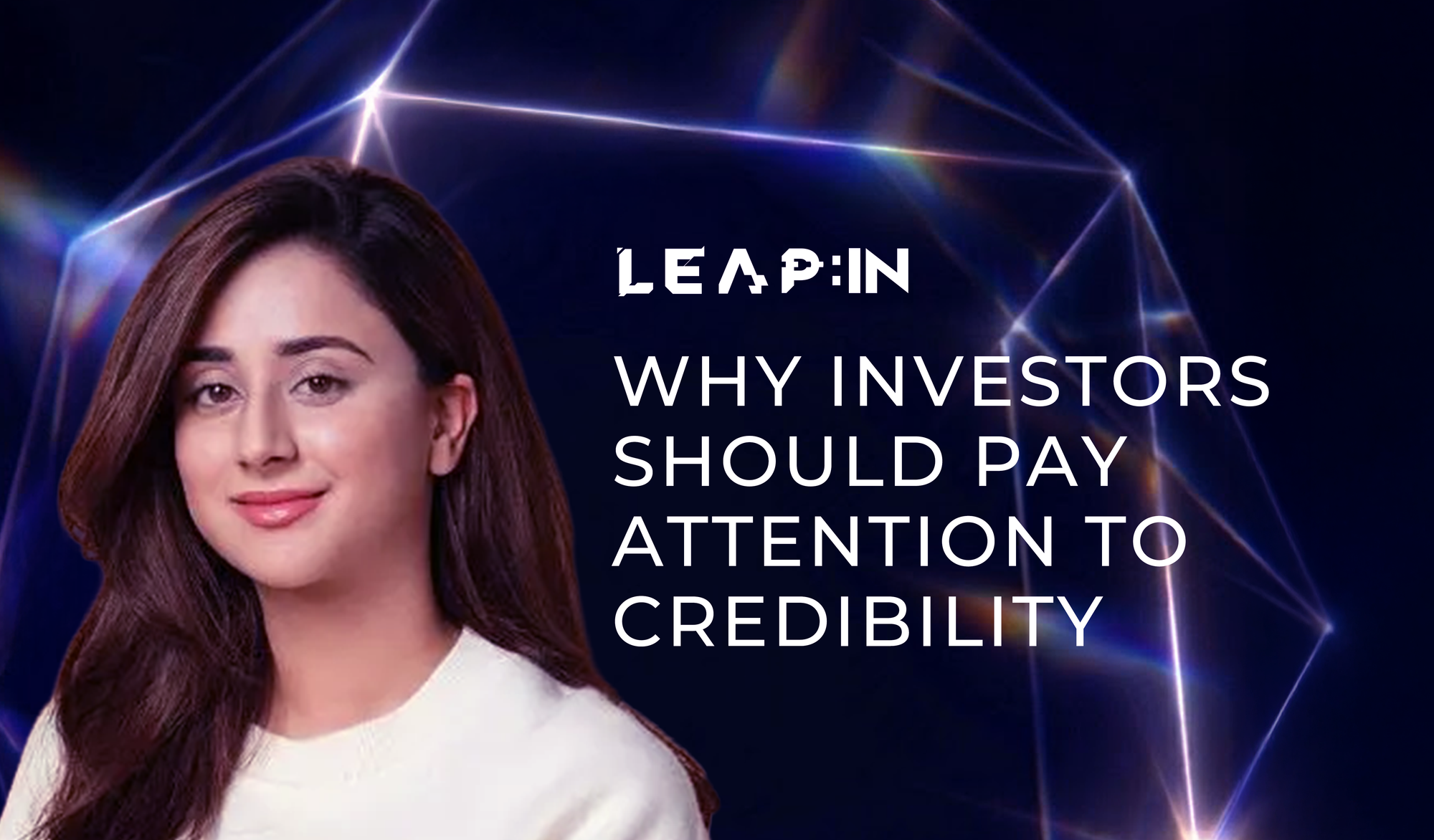
Interviews and insights from the global LEAP community – delivered to your inbox every week.
What Nadeem said:
“Winning Rocket Fuel gave us instant credibility – conversations that used to take months of relationship-building now start from a place of trust. It didn't just help us close conversations faster, it changed who was willing to have the conversation at all.”
If you invest in startups, you spend a lot of time counting – revenue, retention, margins, users, growth rates. But early-stage investing also depends on something you can’t count: credibility.
It doesn't appear as a line in a data room. But it can determine whether a founder gets through the next door. It affects whether customers take a meeting, whether regulators engage, whether institutional partners move faster and whether future investors see momentum or uncertainty.
We’ve been talking to four winners of LEAP’s 2025 Rocket Fuel Startup Competition. And they reminded us that credibility is more than just reputation – in the right circumstances, it behaves like capital. It reduces friction, opens access and helps startups convert potential into proof.
For EduFi, that was critical.
The company is building education finance infrastructure in Pakistan, where Aleena Nadeem (Founder, EduFi) says its lending model has produced a default rate of less than one in 10,000. Its next planned market is Saudi Arabia, with launch targeted for Q1 2027.
But in regulated sectors, strong numbers don’t eliminate the need to build trust with regulators, financial institutions and investors.
That is why Nadeem’s perspective on Rocket Fuel is so interesting. Beyond visibility, the value of the competition was in the ability to enter conversations with external validation already attached.
If you’re an investor, that’s worth watching. A credible third party signal can’t replace diligence, but it can accelerate the process through which a startup becomes legible to the market.
The strongest form of credibility is attention followed by results. And Daleela is a strong example of this.
Yousef ElSammaa (Founder, Daleela) told LEAP that the company now has more than 400,000 registered users, has conducted more than 8,000 consultations and is averaging more than 1,100 consultations each month. More than 25% of its users come from the GCC.
He also said:
“Winning the Tech for Humanity Award at Rocket Fuel 2025 provided a significant boost. It helped position us effectively within the region, particularly in the GCC, and strengthened our standing with investors.”
Since then, Daleela has received investment from 500 Startups Sanabil and closed a new round with other regional VCs.
If you’re assessing a startup, the sequence to watch is validation > access > traction.
Awards and ecosystem recognition are the most valuable when they create opportunities that a company then turns into measurable growth.
Lisan provides perhaps the clearest example of credibility becoming embedded in a business model.
The company builds enterprise AI for Arabic-speaking organisations and now serves government and large institutional customers across the region. Noor Alasadi (Founder and CEO, Lisan) told us that Lisan has reached approximately $2.6 million in annual recurring revenue, maintained 95%+ gross margins and achieved 0% churn across its government customers.
Speaking about Rocket Fuel’s impact, Alasadi added:
“It helped us get more clients in Saudi Arabia, regional visibility, credibility with investors and enterprise partners.”
The award was one thing, but what came afterwards showed how the experience helped propel the business forwards – with customer acquisition and institutional adoption.
If you invest in sectors such as government, financial services, defence, healthcare or enterprise software, trust can be a meaningful competitive advantage. Once a startup proves it can satisfy demanding customers, the next customer may perceive less risk.
When you’re evaluating an early-stage company, look for credibility that leaves a trail.
Consider who is willing to take the meeting now that would not before. Think about whether external validation converts into customers, partnerships or capital. And assess whether credibility does seem to compound – whether one trusted relationship makes the next one easier to establish.
Brelyon illustrates that final point. Barmak Heshmat (Founder and CEO, Brelyon) told us:
“Conferences like LEAP are becoming a similar softlanding platform for Silicon Valley startups in the MENA region.”
He added that these events send a positive signal to international startups that they can find allies to help them expand in the region.
If you’re heading into LEAP looking for your next startup opportunity, Rocket Fuel offers more than a look at promising founders on a stage. It gives you a chance to see which companies can turn visibility into trust – and trust into traction.
The future of robotics could be stranger than we imagined.
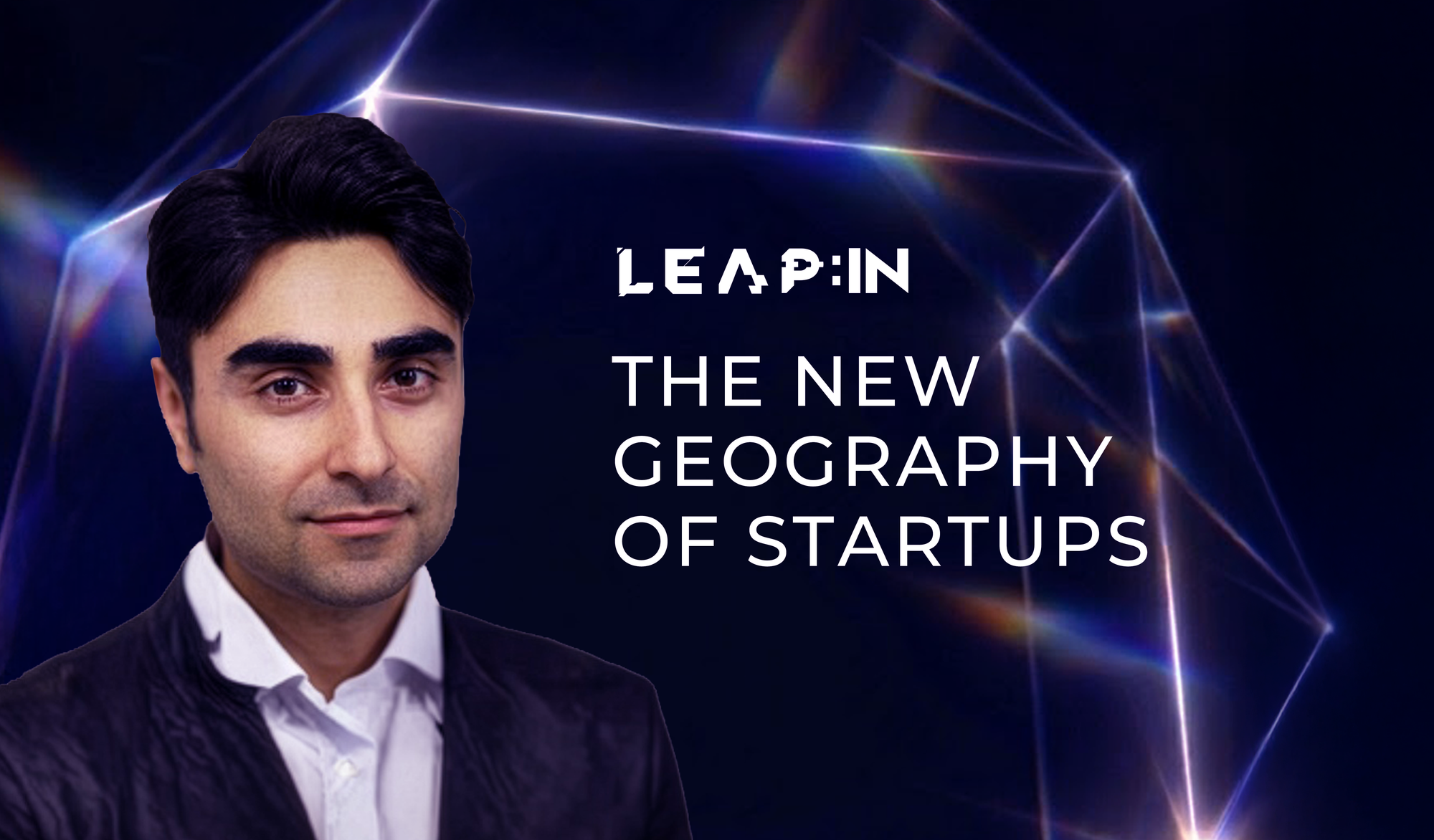

Researchers are training foundation models on simulations and matter.
The future of robotics could be stranger than we imagined.

Researchers are training foundation models on simulations and matter.