Why we might be searching for aliens the wrong way
Why SETI researchers think we've been listening too narrowly for alien life – and what it teaches us about science, innovation and curiosity.

Discover what synthetic data is, why organisations are using it to train AI, and how it could help solve privacy, bias and data scarcity challenges.
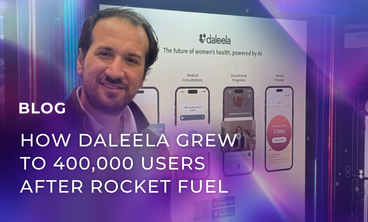
Discover how LEAP Rocket Fuel winner Daleela grew to 400,000 users, completed 8,000 consultations and expanded women's healthcare across the region.
Discover how Rocket Fuel winner Lisan grew to $2.6 million ARR, secured government customers and scaled Arabic enterprise AI one year after LEAP 2025.
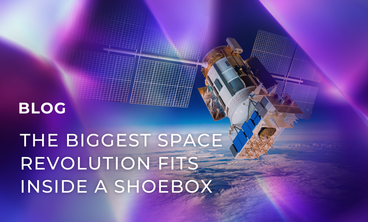
Discover how CubeSats are transforming space technology. From NASA's climate mission to maritime monitoring, these tiny satellites are making a big impact on science and innovation.
Attending LEAP for the first time? Discover 10 essential tips to help you plan your visit, from booking accommodation and navigating the technology conference to networking and exploring Riyadh.
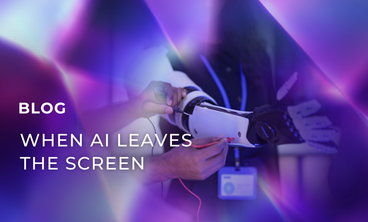
Discover how embodied AI is transforming prosthetics, robotics and intelligent buildings at LEAP 2026 Tech Arena, where physical intelligence comes to life.
Find out how investors will benefit from attending LEAP in Riyadh. Find your next investment, grow your knowledge, and build a powerful network of peer-investors and mentors.
Find out how your startup can benefit from the Startup Program at LEAP 2026 – from investor matchmaking to one-to-one mentoring, pitch masterclasses, and the chance to win a share of our $1 million Rocket Fuel Pitch Competition fund.
Smart tech is helping cities move towards regenerative urbanism – a model that actively restores ecosystems and reimagines city life through innovation and collaboration.
From Jane Jacobs' 1958 call for people-first urban design to today’s AI-powered smart cities, we explore how urban needs have stayed the same – even as the tools have transformed.
Explore key smart city market trends for 2025–2030, from EV infrastructure to AI-powered waste systems – backed by the latest industry report.
Learn how generative AI is unlocking the true potential of digital twins – to make smart cities more efficient, inclusive, and citizen-focused.
The smart cities of the future will use tech to lower emissions, cut urban temperatures, and improve quality of life in highly populated areas.
Discover the cities that rank highly for smart city preparedness, and learn why locally relevant innovation is more important than cutting-edge tech.