Industrial robotics is expanding beyond manufacturing. Discover adoption data, AI-driven advances, and the future of robotics deployment.
A small change in ocean tech that could change sustainability at scale
Ocean tech is evolving – from autonomous ocean data to seaweed farming and tidal energy. Discover three innovations that are changing climate, food, and energy systems.
As AI adoption surpasses 70%, companies face a strategic choice: build, buy, or drift. Explore how positioning (not technology) is creating competitive advantage.
Industrial robotics is expanding beyond manufacturing. Discover adoption data, AI-driven advances, and the future of robotics deployment.
Ocean tech is evolving – from autonomous ocean data to seaweed farming and tidal energy. Discover three innovations that are changing climate, food, and energy systems.
As AI adoption surpasses 70%, companies face a strategic choice: build, buy, or drift. Explore how positioning (not technology) is creating competitive advantage.
Climate tech investment is still rising, but venture funding is more selective. We look at data from BloombergNEF, IEA and Dealroom to see where climate capital is going now.
Jonathan Reichental on building human-centred cities, smarter innovation, and leading through constant change.
Agentic AI is changing travel tech – and creating new opportunities for entrepreneurs to build customer relationships and platform loyalty.
LEAP’s fifth edition takes place from 31 August – 3 September 2026 in Riyadh. Explore the available passes and choose the option that best matches how you want to take part.
EXPLORE TICKETS
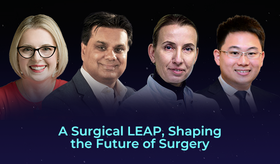
Step into the theatre as we explore the future of surgical technology and how innovative discoveries are reshaping the way surgeons operate and train the next generation. Join some of the worlds most renowned surgeons as they look to the future of health tech and how technology can change lives
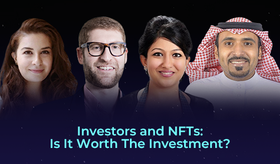
Today, it seems as if you cannot avoid NFTs. The news, social media, business moguls, venture capitalists, and teenagers alike are all buzzing about them. From mid-2021, we have started to see venture capital investment in NFT marketplaces, along with some exclusive NFT-directed funds being established. Now we want to
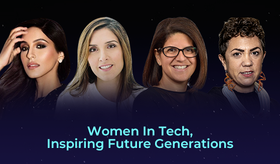
To celebrate International Women’s Day and the theme #Breakingthebias, we will be looking at exciting projects that are being led by women and how tech is opening opportunities for female leaders. Get first-hand experience from female leaders in the tech industry, including 2019’s Woman of the Year in
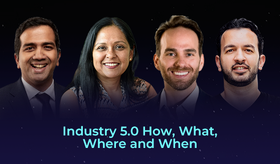
Industry 5.0 is said to already be on the horizon but what is the actual difference between Industry 4.0 vs Industry 5.0? What technologies are at the cusp of the fifth industrial revolution? And what will real personalisation look like in Industry 5.0? Find out from
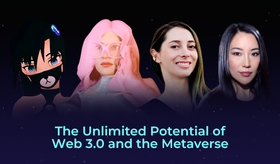
Web 1.0 was static, decentralised, mostly read-only home pages. Web 2.0 is about blogging, social media and e-commerce centralised and owned by tech giants. Web 3.0 is about whatever we want it to become. According to Chris Dixon: “We are now at the beginning of the web3
The Middle East region has become a hotspot for space technology, with a number of countries vying to get a foothold in the burgeoning new sector. While space has long fascinated the curious for millennia, for the past fifty years it has remained the domain of the public sector. But
Digital currencies are all the rage these days and central banks are not immune to their charm. There were more than 7,500 cryptocurrencies by the end of 2021, from around 66 in 2013, and while most are unlikely to survive, they have sowed the seeds of the popularity of
In partnership with Infobip The digitalisation of the banking industry is an ongoing trend that has fundamentally altered the way consumers interact with their banks over the last fifteen years. It all started with moving paper-based statements and transactions online to allowing customers easier access to their financial information through
No-one knows exactly what the future of jobs holds. With new jobs, technology and even industries popping up all the time, all we know is that the next generation of employees need to find a way to prepare for a future workplace that seems to be in a state of
“If technology is not geared and designed to create access and to better the conditions of everybody in society, then what is it for, really?” When we talk about innovation, we usually think of newness. New ideas, new technologies, smart inventions. But as we look into the future and imagine
Data regulation is bitty. Different countries, regions, and even different companies have their own policies, and implement those policies with a level of subjectivity (and often deceptive design) that makes it very difficult for digital citizens to get a handle on when, why, how, and by whom their data is
“We need to find a way to invest in our technological and digital sovereignty. At the same time, we [must be] able to share data in a way that does protect the rights of people, but also allows us to really harness this information.” These were the wise words of
The King Abdullah University of Science and Technology (KAUST) opened on September 23 2009, after an intensive period of building and academic development. “It was a dream to build a university that is leading in terms of science and technology and research, at the shores of the Red Sea,” said