Designing cities that start with people
Jonathan Reichental on building human-centred cities, smarter innovation, and leading through constant change.
Agentic AI is changing travel tech – and creating new opportunities for entrepreneurs to build customer relationships and platform loyalty.
Andrew Fenner (Director General at WYSE Travel Confederation) on youth travel, AI, and building platforms for the future of global mobility.
How researchers are beginning to design AI systems that deliberately search for new ideas – to enable AI-powered innovation.
A recent experiment let AI generate art without human prompts – and shows why AI can only make art with the direction of a creative human.
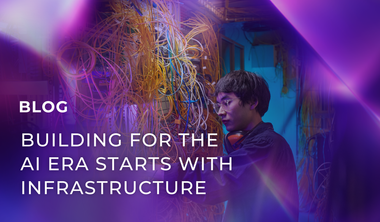
As AI spreads across industries, the idea of an ‘AI startup’ may disappear. Here’s why infrastructure technologies change how startups differentiate.
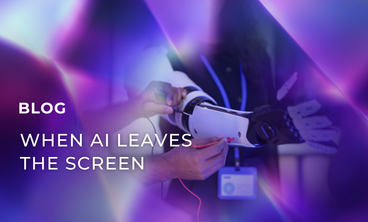
Researcher Dr. Beste Özcan explores emotionally intelligent wearables, transitional companions, and why the future of technology may depend on designing for relationships.
The 72 hours after a tech event determine ROI. Here’s how to turn LEAP conversations into partnerships, momentum and measurable outcomes.
At global tech events, your brand isn’t competing for space – it’s competing for memory. Memory is built through participation, so the brand collaboration opportunities at LEAP are designed for it.
For investors at LEAP, experience is the first stage of due diligence – and has more impact than a pitch deck. Find out how the Tech Arena fast-tracks investor conversations.
Why live demos outperform pitch decks at LEAP – with data, real examples, and practical tips to help you turn attention into deals.
Why 2026 is the year startups have to move beyond pilots. New research shows go-to-market execution, not demos, is the real growth advantage.
Three practical, expert lessons on why startups fail – and how business models, regulation and adoption unlock real tech value.
After years of acceleration, tech is entering a more selective phase. In 2026, progress won’t be measured by how much you do – but by how clearly you choose.
January tech decisions create consequences. Why second-order effects will shape tech outcomes in 2026.
Are tech strategy timelines getting shorter? Research from EY and McKinsey shows why rigid roadmaps are failing, and how teams are planning differently.